
Community-Based Tourism in Nepal
Travel that puts your money in the hands of the families and villages who welcome you — homestays, community lodges and locally-owned experiences across Nepal.
A Different Way to Travel in Nepal
Community-based tourism (CBT) means trips designed and operated with the active involvement of local people. Decisions about where to stay, what to eat, who to walk with, and how income is shared are made by the community — not a distant tour operator.
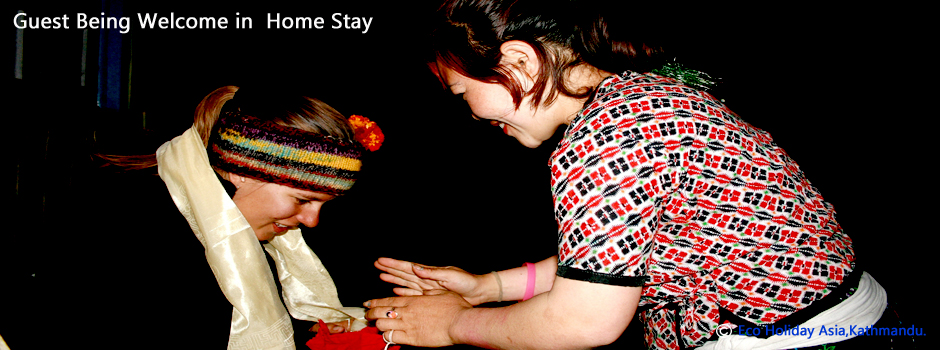
In Nepal, this can mean staying with a Newari farming family in Panauti, joining a Tharu cooking class in Chitwan, walking from Tamang village to Tamang village on the Tamang Heritage Trail, or watching a Gurung dance in Sirubari. Each trip is also a small, direct contribution to the village hosting you.
Where Community Tourism Works in Nepal
12 Community Tourism Experiences in Nepal
Each of these destinations is led by a local community — they choose where you stay, what you eat and what you learn.
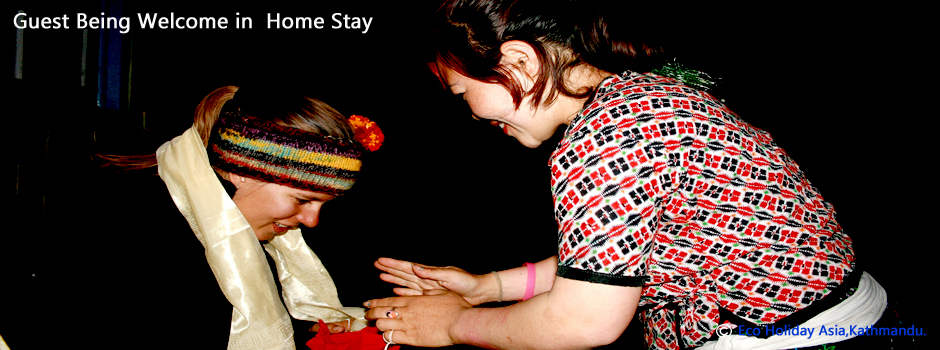
Panauti
A medieval Newari town an hour from Kathmandu, with stone temples, riverside ghats and a fully community-managed homestay programme run mostly by local women.
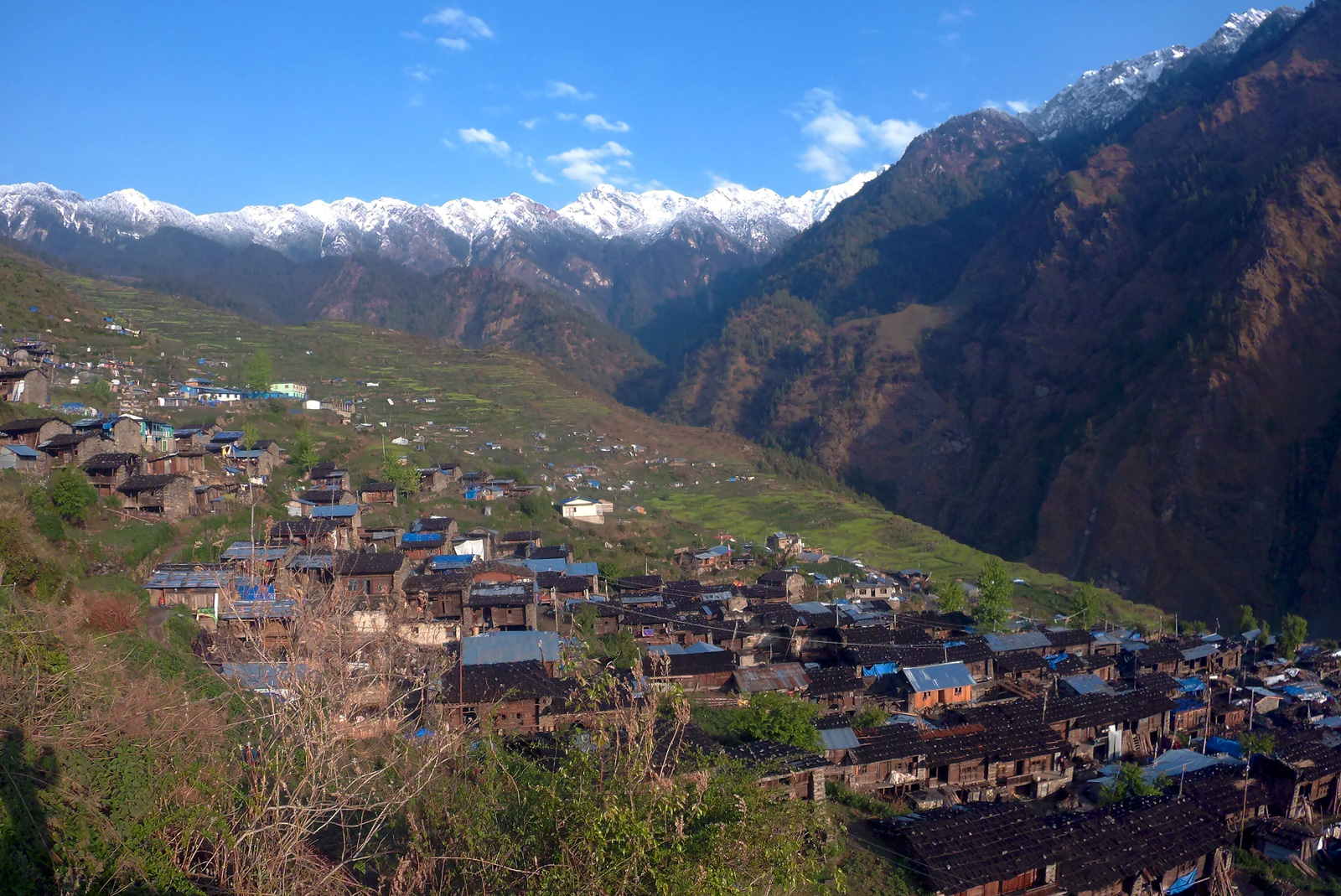
Bandipur
A preserved hill town between Kathmandu and Pokhara, where Newari families have opened their traditional homes to travelers.
Ghalegaun
One of Nepal’s oldest community-tourism villages — Gurung culture, traditional dances, organic farms and uninterrupted Annapurna views.
Sirubari
Nepal’s first community homestay village, founded in 1997. Stay with Gurung families, share meals and walk into the surrounding hills.
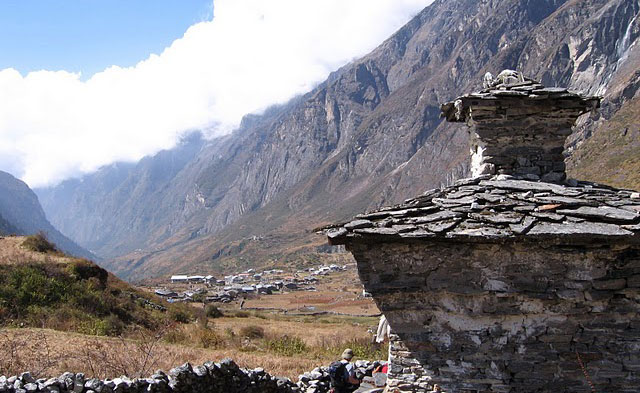
Tamang Heritage Trail
A homestay trek through Tamang villages north of Kathmandu — Buddhist culture, hot springs and views of Langtang Lirung.
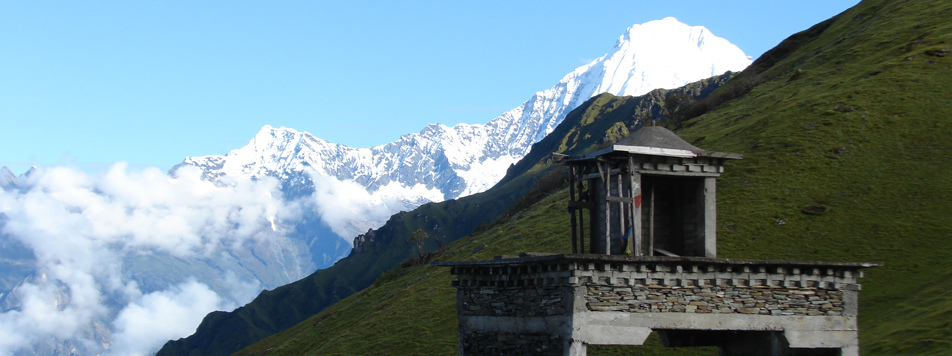
Ruby Valley
Off-the-beaten-path community trekking through Tamang and Gurung villages with strong homestay networks and Ganesh Himal views.
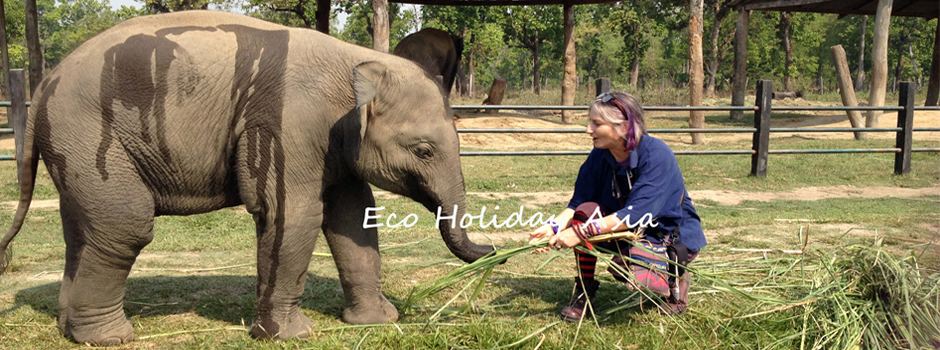
Kumroj Tharu Village
A Tharu community on the edge of Chitwan National Park, with traditional mud houses, cultural performances and wildlife day trips.
Tharu Communities in Bardia
In the far west, Tharu families around Bardia National Park welcome travelers for cultural stays alongside tiger and rhino safaris.
Chepang Heritage Trail
A short trek through Chepang villages south of Kathmandu — bamboo houses, traditional hunting culture and views of the Annapurnas.
Indigenous Peoples Trail
A multi-community trek across Solu — Rai, Sherpa, Tamang and Magar villages, each with their own homestay and cultural traditions.
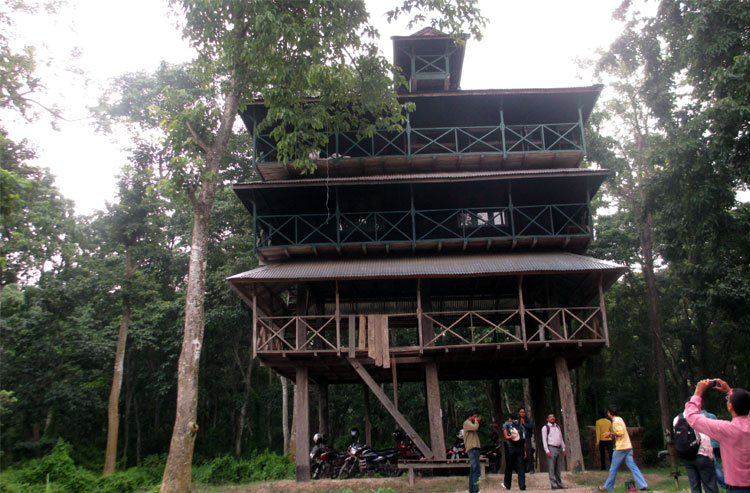
Mohare Danda Community Trek
A short family-friendly trek where every lodge is built and managed by the local community. Income is shared transparently.
Multi-Community Nepal Tour
A 12-day journey through three or four community-tourism regions — culture, food, walks and overnights with different host families.
What Community Tourism Looks Like in Practice
A CBT trip is not just a different hotel — it changes how you eat, walk, learn and spend.
Stay With Local Families
- Sleep in a traditional Newari, Gurung or Tharu home
- Eat home-cooked meals with your hosts
- Learn daily life directly, not through a guide window
- Stays from one night to a full week
Walk With Community Guides
- Trek with guides from the village you stay in
- Hear stories about the trail you cannot find online
- Support local guide training and livelihoods
- Available on most CBT routes
Eat Real Nepali Food
- Cooking classes in Tharu, Newari and Gurung kitchens
- Farm-to-plate meals using local produce
- Festival foods if your trip lines up with celebrations
- Vegetarian options always available
Join Cultural Activities
- Traditional music and dance evenings
- Visits to monasteries and village temples
- Craft workshops — pottery, weaving, thangka painting
- Festival participation where appropriate
How CBT Trips Are Designed
Each route is co-designed with a village committee, women’s group or community-tourism cooperative. They decide which families host guests, how income is shared, and what activities are offered.
Eco Holiday Asia handles transport, permits, guides, payment and quality. The community handles welcome, accommodation, food and cultural exchange. Travelers get something more honest than a standard tour — and villages keep more of the money.
Where Your Money Goes
In a community homestay, most of the price you pay stays in the village — not the capital city.
Direct to Hosts
Homestay families receive a daily rate per guest set by the community itself.
Local Wages
Village guides and porters are paid fair daily rates with insurance and shelter on every trip.
Shared Fund
A portion of every booking goes into a shared community fund for school, water or trail repairs.
Conservation
Conservation area entry fees go directly to protect surrounding wildlife and forests.
How to Be a Good Guest
Small habits make a real difference in a homestay village.
Frequently Asked Questions
What is community-based tourism in Nepal?
How is community tourism different from a regular tour?
Where can I do community-based tourism in Nepal?
What is a Nepal homestay like?
Is community tourism suitable for families and older travelers?
How much does a community-based tour cost?
Can I combine community tourism with trekking or wildlife?
How do I plan a community-based tour in Nepal?
Planning Your Nepal Journey from Abroad
International travellers choose Eco Holiday Asia for private, tailor-made Nepal journeys — planned and operated end to end by our Kathmandu-based team of licensed local experts.
Private, Tailor-Made Itineraries
Every journey is private and built around your dates, pace, comfort level and interests — never a fixed group departure.
Comfort & Premium Stays
From boutique heritage hotels in Kathmandu and Pokhara to the best available lodges on the trail, accommodation is matched to your standard.
Licensed Local Experts
English-speaking, government-licensed Nepali guides who know each region first-hand and channel income into local communities.
Seamless Arrival via Kathmandu
We handle every Nepal-side detail from Tribhuvan International Airport — domestic flights, permits, private transport and guides.
Planning Across Time Zones
We coordinate by email and WhatsApp (+977 9851207214) across every time zone, so planning your trip from abroad is effortless.
Book Ahead for Peak Seasons
Autumn and spring fill quickly; international travellers are best served by confirming a few months in advance for the finest guides and lodges.
Travel Deeper — Stay With Local Communities
Tell us your dates, interests and comfort level. We will match you with the right Nepal communities and design a trip that supports the villages who welcome you.
Customize Your Nepal Tour
Tell us your travel style, dates, interests and group details. Our Nepal-based team will help design a personalized journey with local guides, homestays, cultural experiences, trekking, wildlife, festival journeys and community-based travel.
Thank you! Your trip request has been received.
Our Nepal travel expert will contact you shortly on email or WhatsApp.