
Nepal Homestay Tours
Sleep in a traditional Nepali home, share meals with your hosts, and learn local culture firsthand — across Newari, Gurung, Tamang, Tharu and Sherpa villages.
Why Stay With a Nepali Family?
A homestay is the most honest way to experience Nepal. Instead of a hotel lobby, you arrive in a courtyard. Instead of a breakfast buffet, you eat with your host family in their kitchen. Instead of a guidebook explanation, you hear stories from the person beside you.
Nepal has a strong, mature homestay network, with dozens of villages organized through community committees, women’s groups and cooperatives. The standard varies — some are basic, some are comfortable — but the welcome is consistent.
9 Homestay Trips Across Nepal
Stays from 3 days to a full week, in some of Nepal’s most established community homestay programmes.
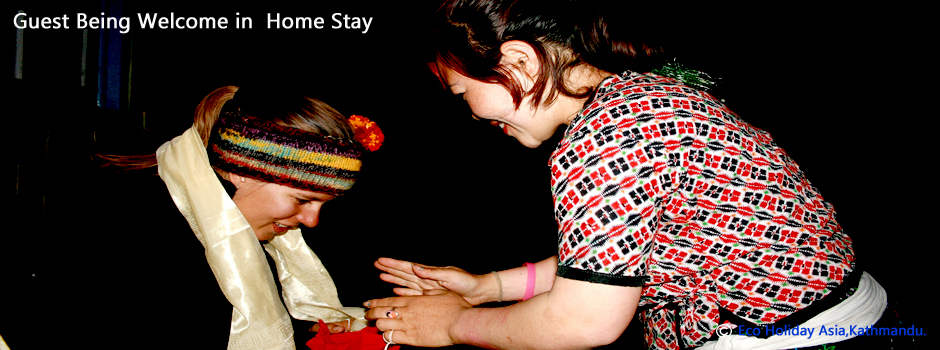
Panauti Homestay Tour
A 3-day stay with a Newari family in the medieval town of Panauti — temple walks, cooking together, and a slow rhythm an hour from Kathmandu.
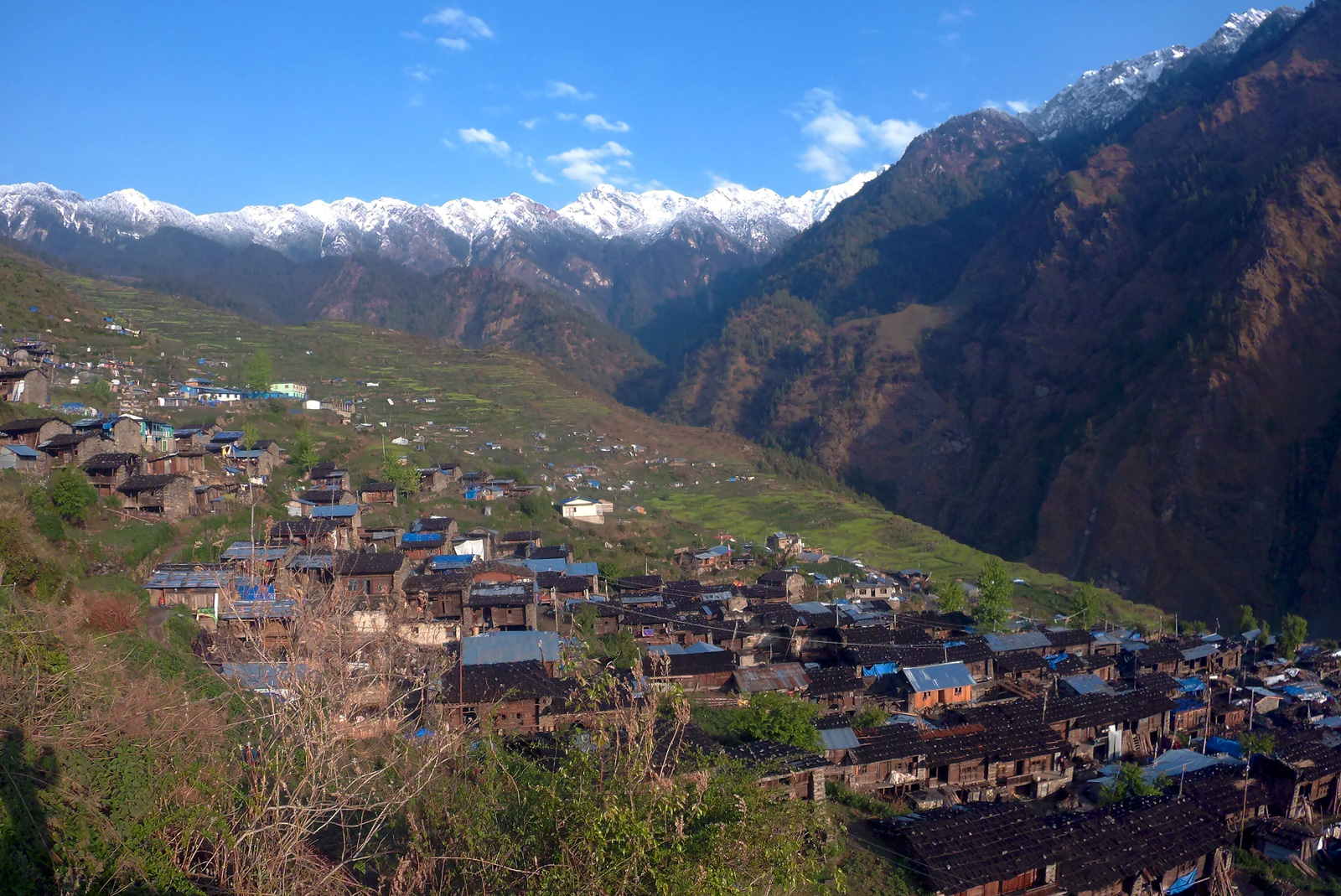
Bandipur Homestay Tour
Stay in a 200-year-old Newari home in Bandipur, with sunrise mountain views, cobbled lanes and a sense of an older Nepal.
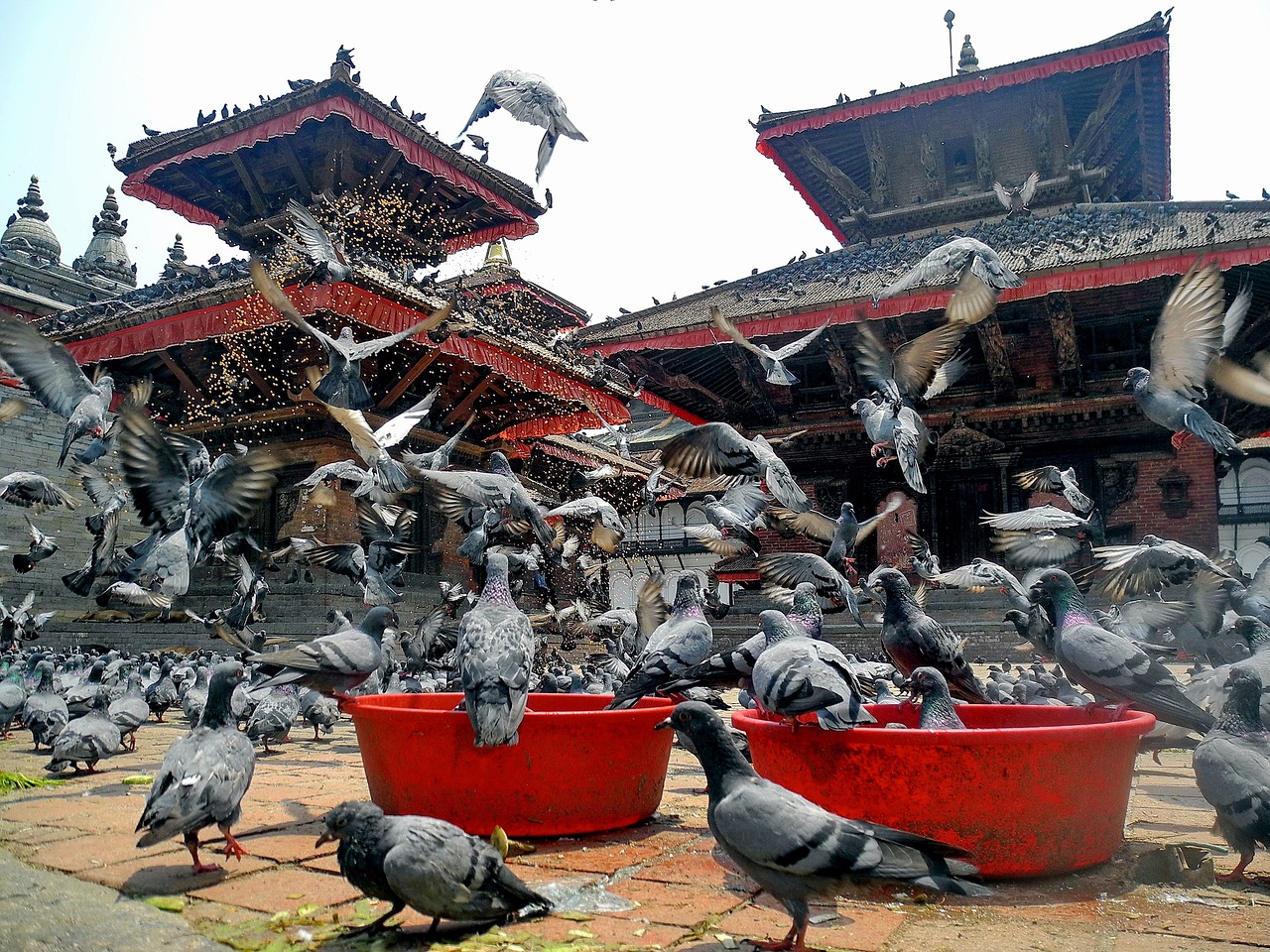
Newari Culture Homestay
A focused stay in a Newari household — cooking, festivals (if timing works), wood-carving demonstrations and temple visits.
Ghalegaun Homestay Trek
A 4-day journey to one of Nepal’s most established Gurung homestay villages — culture, Annapurna views and short trekking.
Sirubari Homestay Trek
Nepal’s pioneering community homestay village, where Gurung families opened their homes to visitors more than 25 years ago.
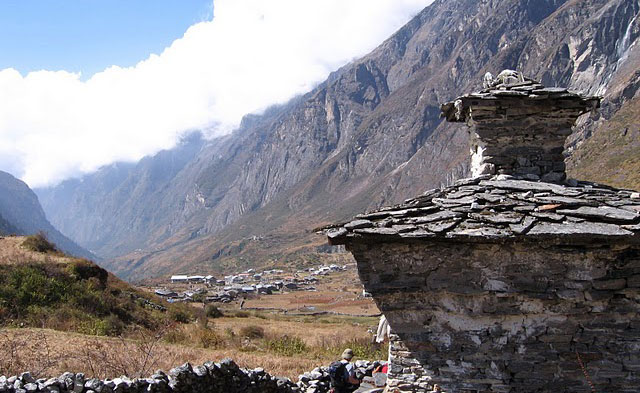
Tamang Heritage Trail
A homestay trek through Tamang villages — Briddim, Gatlang, Goljung — with Buddhist culture and views of Langtang Lirung.
Tamang Village Homestay Tour
A 4-day stay in a Tamang village within easy reach of Kathmandu — Buddhist culture, traditional food and short hill walks.
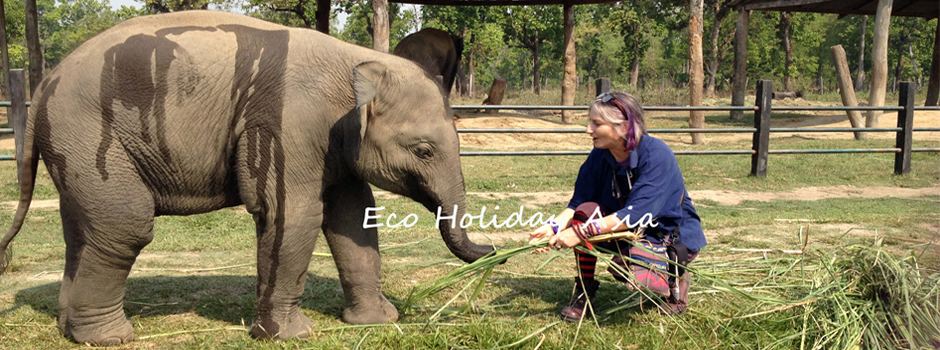
Tharu Homestay & Village Tour
A 3-day Tharu cultural experience near Chitwan National Park — bamboo houses, traditional dances, wildlife and cooking.
Nepal Homestay Experience
A 7-day multi-community stay across Newari, Gurung and Tharu villages — Nepal’s diversity through three different family kitchens.
A Homestay Day, From Sunrise to Sunset
A few practical notes to help you choose the right village and prepare for the stay.
Typical Day in a Homestay
- Morning tea with your host family
- Cooking the day’s main meal together or watching
- Village walk, farm visit or cultural activity
- Evening over a slow, home-cooked dinner
- Storytelling, music or quiet rest
What to Expect (Comfort)
- Private or shared room in a traditional home
- Bedding provided; bring a sleeping liner if you wish
- Simple bathroom — sometimes shared, sometimes private
- Limited hot showers in remote villages
- Reliable in established communities like Panauti or Bandipur
Food and Drink
- Three home-cooked meals per day, often eaten with the family
- Mostly vegetarian, locally grown produce
- Meat in some villages, on certain days
- Dietary needs (vegan, gluten-free) accommodated with notice
- Boiled or filtered water provided
Cultural Activities
- Cooking traditional dishes — momo, dal bhat, sel roti
- Village walks with local guides
- Visits to temples, monasteries, weaving rooms
- Music and dance evenings (in larger villages)
- Optional craft workshops
Nepali Families Who Open Their Homes
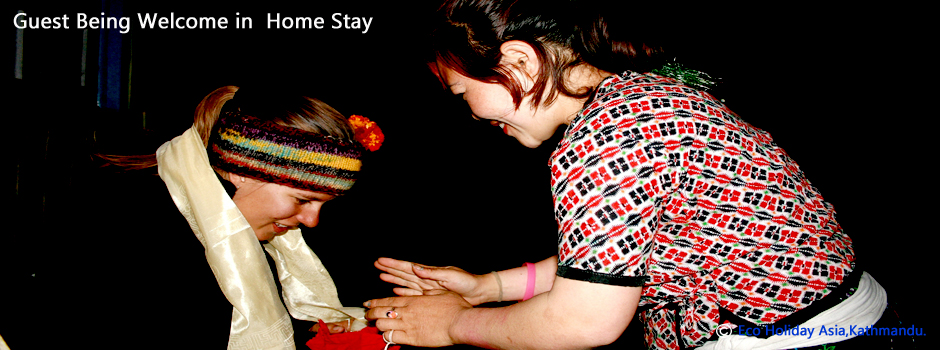
Each Eco Holiday Asia homestay partner is a family that has chosen to host travelers as part of a community programme. Many are women-led. All sign up to standards on cleanliness, food safety and guest welcome.
They are not a guesthouse — they are people who farm, weave, teach, run small shops, raise children and want to share a window into how Nepal really lives.
What Homestays Pair Well With
Most homestay travelers combine 2 to 3 nights in a village with another part of Nepal.
Kathmandu Heritage
Pair Panauti or Bhaktapur homestay with UNESCO-site days in Kathmandu Valley.
Pokhara & Annapurna
Combine a Gurung homestay in Ghalegaun or Sirubari with Pokhara lakeside and a short Annapurna trek.
Chitwan Safari
A Tharu homestay near Chitwan National Park alongside a jeep or canoe safari.
Trekking + Stay
Add 2-3 days in a homestay village to bookend a moderate trek — gentle decompression after big days.
Small Things That Matter
A homestay is someone’s home. These habits make a real difference.
Frequently Asked Questions
What is a Nepal homestay tour?
Which communities offer homestays in Nepal?
How basic is a Nepal homestay?
Is a homestay suitable for families with children?
How many days should I plan for a homestay tour?
Are homestays safe for solo female travelers?
How much does a Nepal homestay tour cost?
How do I book a Nepal homestay tour?
Planning Your Nepal Journey from Abroad
International travellers choose Eco Holiday Asia for private, tailor-made Nepal journeys — planned and operated end to end by our Kathmandu-based team of licensed local experts.
Private, Tailor-Made Itineraries
Every journey is private and built around your dates, pace, comfort level and interests — never a fixed group departure.
Comfort & Premium Stays
From boutique heritage hotels in Kathmandu and Pokhara to the best available lodges on the trail, accommodation is matched to your standard.
Licensed Local Experts
English-speaking, government-licensed Nepali guides who know each region first-hand and channel income into local communities.
Seamless Arrival via Kathmandu
We handle every Nepal-side detail from Tribhuvan International Airport — domestic flights, permits, private transport and guides.
Planning Across Time Zones
We coordinate by email and WhatsApp (+977 9851207214) across every time zone, so planning your trip from abroad is effortless.
Book Ahead for Peak Seasons
Autumn and spring fill quickly; international travellers are best served by confirming a few months in advance for the finest guides and lodges.
Plan a Homestay Tour in Nepal
Tell us your dates, group, region preference and comfort level. We will match you with the right host family and design a stay that fits you.
Customize Your Nepal Tour
Tell us your travel style, dates, interests and group details. Our Nepal-based team will help design a personalized journey with local guides, homestays, cultural experiences, trekking, wildlife, festival journeys and community-based travel.
Thank you! Your trip request has been received.
Our Nepal travel expert will contact you shortly on email or WhatsApp.