
Trekking in Nepal
Walk through Sherpa villages, Annapurna valleys, hidden Buddhist regions and community trails with experienced Nepali guides.
Himalayan Trails for Every Level
Nepal has more trekking variety than any other country in the world. You can walk a three-day teahouse trail with sweeping mountain views, climb to Everest Base Camp, cross a high pass in the Annapurna Circuit, or step into a restricted-area valley where the rhythm of life has not changed in generations.
This page is our complete guide to trekking in Nepal — the regions, the seasons, the trek styles, and a practical look at how to choose the right trip for your fitness, time and interests.
Pick a Region to Explore
20 Best Treks in Nepal
From short teahouse walks to high-altitude expeditions — pick a trek that fits your time, fitness and interest.
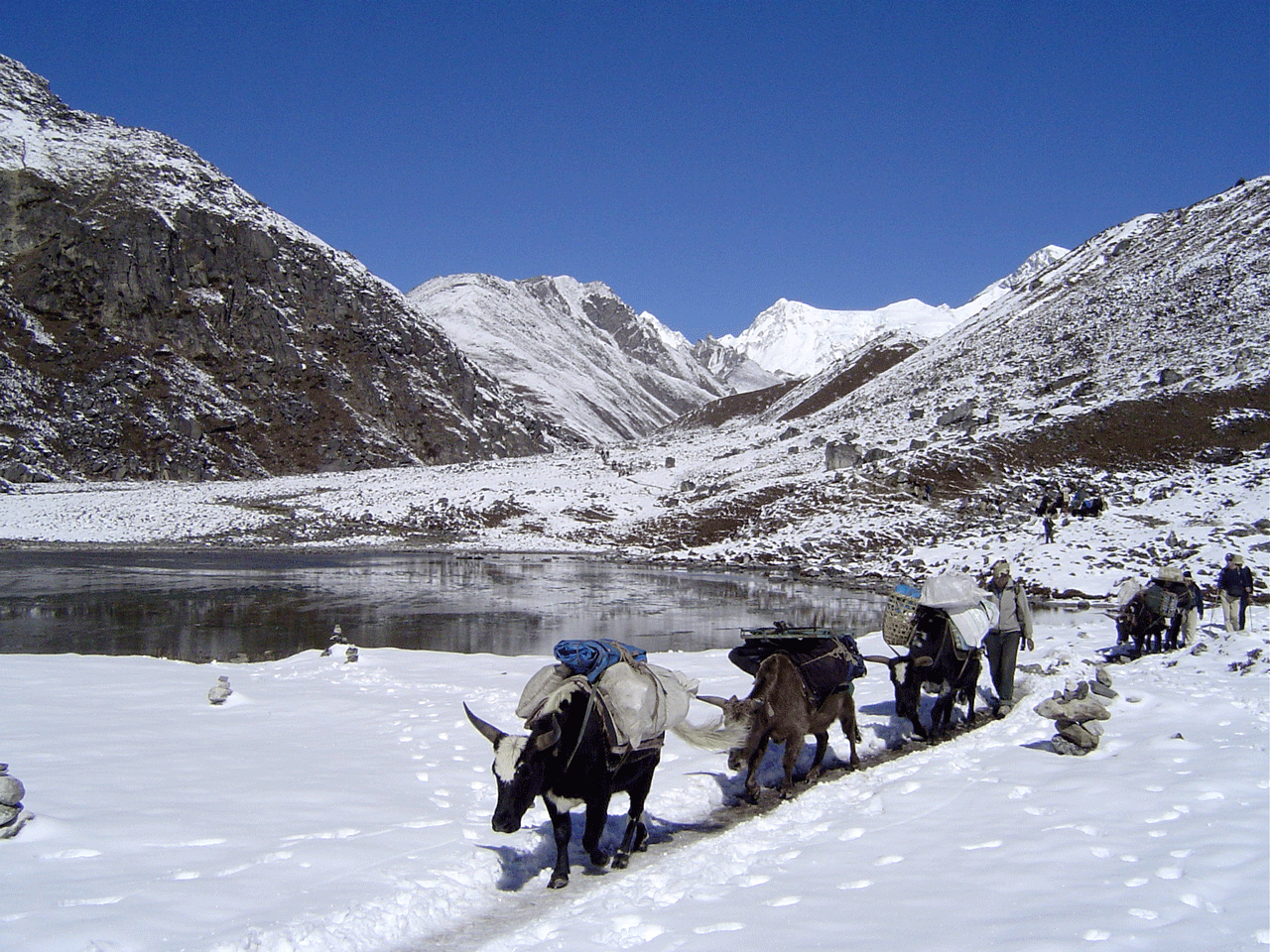
Everest View Trek
A short, scenic introduction to the Khumbu — Namche Bazaar, Tengboche Monastery and crystal-clear views of Everest, Lhotse and Ama Dablam.
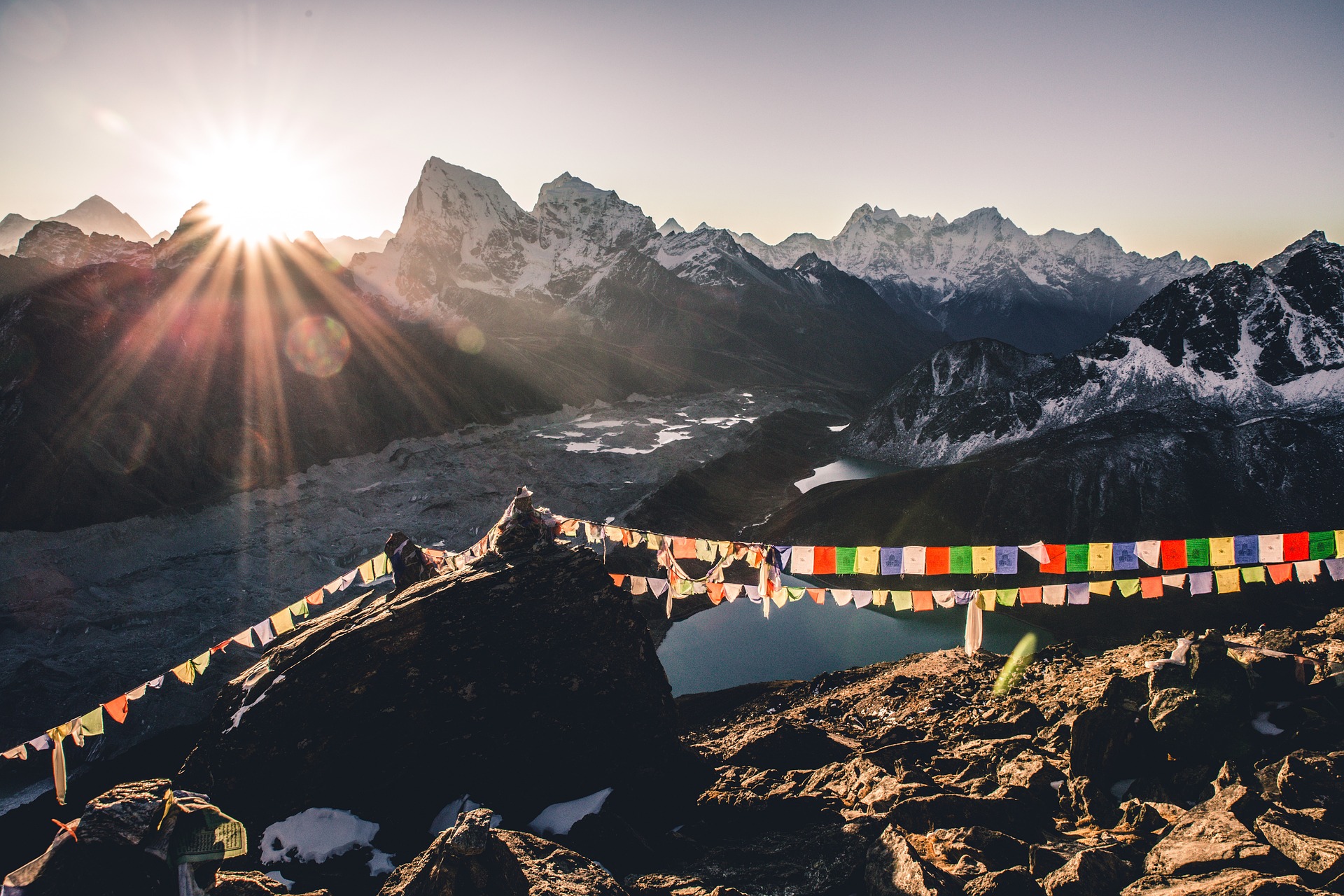
Gokyo Lakes Trek
Walk to the turquoise Gokyo Lakes and climb Gokyo Ri for a panorama of four 8,000-metre peaks. Quieter than the Base Camp trail.
Three Passes Trek
The complete Khumbu loop — Kongma La, Cho La and Renjo La passes with Everest Base Camp and Gokyo Lakes in one journey.
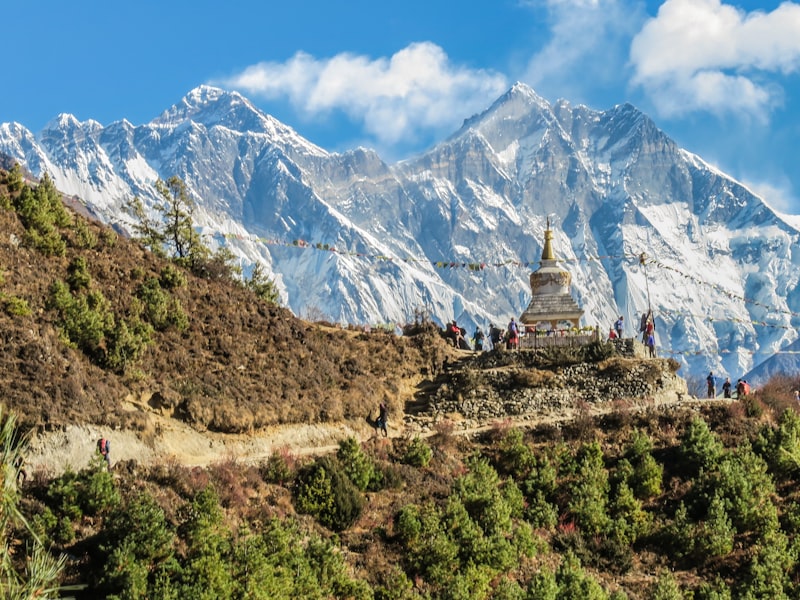
Annapurna Base Camp Trek
Walk into the heart of the Annapurna Sanctuary, ringed by towering peaks. Suitable for first-time trekkers.

Annapurna Circuit Trek
The classic teahouse trek crossing Thorong La pass at 5,416m. Diverse landscapes from subtropical valleys to high desert.
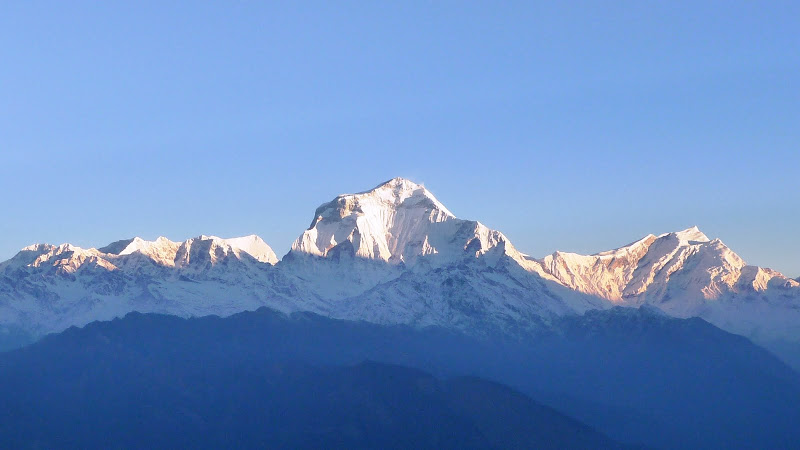
Ghorepani Poon Hill Trek
Nepal’s most popular short trek — rhododendron forests, Gurung villages and sunrise over Annapurna and Dhaulagiri.

Mardi Himal Trek
A shorter, less crowded Annapurna trek with a thrilling high camp at the base of Mardi Himal and Machhapuchhre.
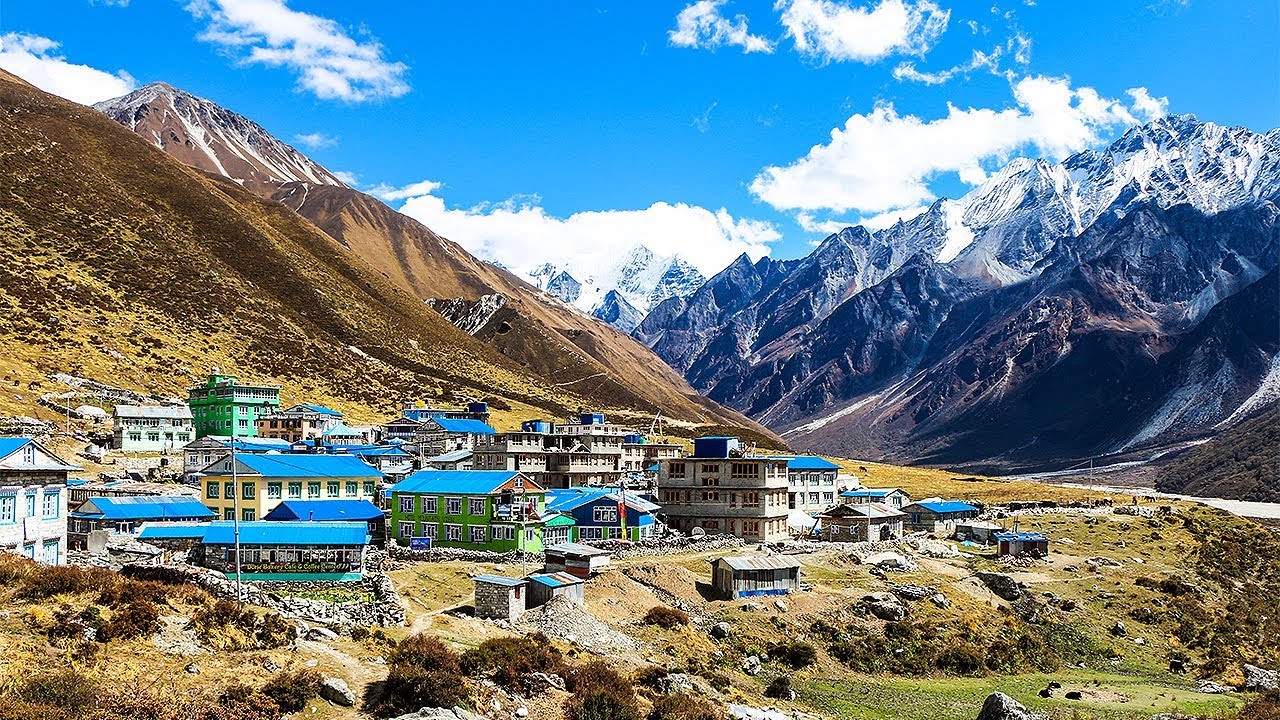
Langtang Valley Trek
The closest Himalayan trek to Kathmandu — Tamang villages, glacier valleys and a community-driven recovery after the 2015 earthquake.
Gosaikunda Trek
A pilgrimage trail to the sacred high-altitude Gosaikunda lakes, with options to combine with Langtang Valley or Helambu.
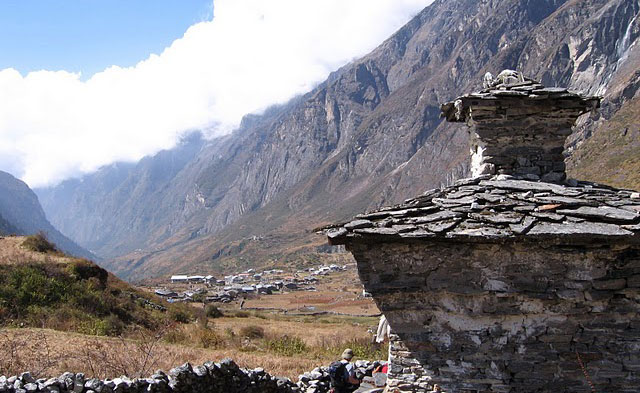
Tamang Heritage Trail
A cultural homestay trek through Tamang villages with Buddhist monasteries, hot springs and views of Langtang Lirung.

Manaslu Circuit Trek
A restricted-area trek circling the world’s eighth-highest mountain. Wild, dramatic and far less crowded than Everest or Annapurna.
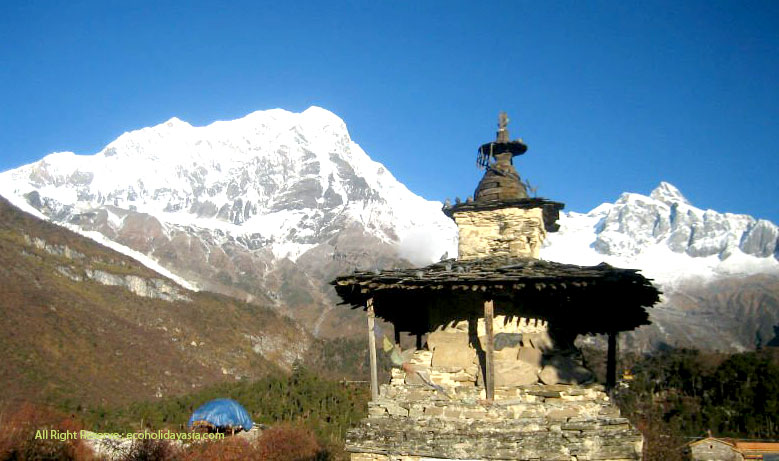
Tsum Valley Trek
A hidden Buddhist valley near the Tibetan border, with ancient monasteries and a sacred peace pledged against hunting.
Upper Mustang Trek
Beyond the Himalaya — a high-desert kingdom of red cliffs, Tibetan-style villages and the walled city of Lo Manthang.
Jomsom Muktinath Trek
A drier, lower-altitude trek to the sacred Muktinath temple. Easier than the full Annapurna Circuit and good for spring or autumn.
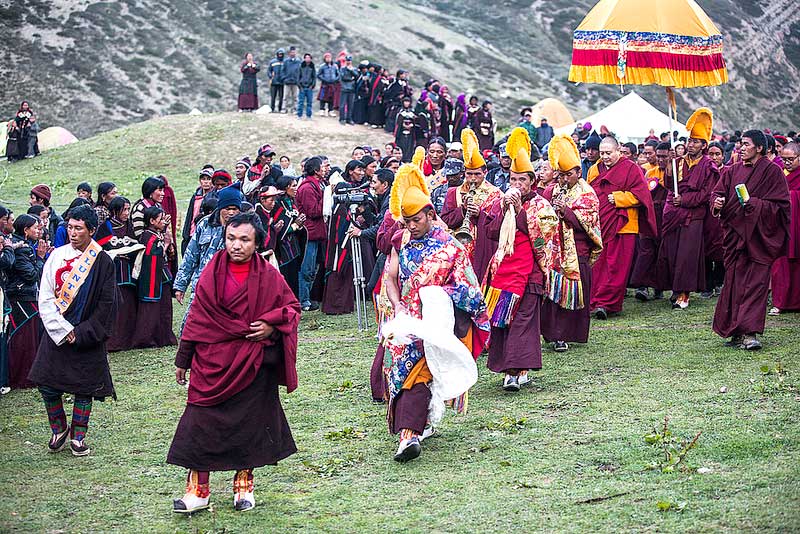
Lower Dolpo Trek
Phoksundo Lake’s turquoise waters, Bon monasteries and trans-Himalayan villages still living traditional lives.
Upper Dolpo Trek
One of the world’s great wilderness treks — high passes, ancient gompas and Tibetan-Buddhist communities of the Inner Dolpo.
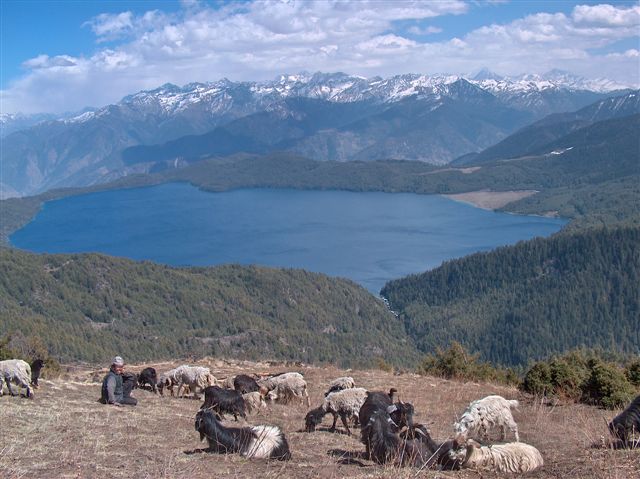
Rara Lake Trek
Nepal’s largest lake set in pine forests of the Karnali region — quiet, beautiful and almost untouched by tourism.

Kanchenjunga Base Camp Trek
A long, remote trek to the base of the world’s third-highest mountain on the border with Sikkim.
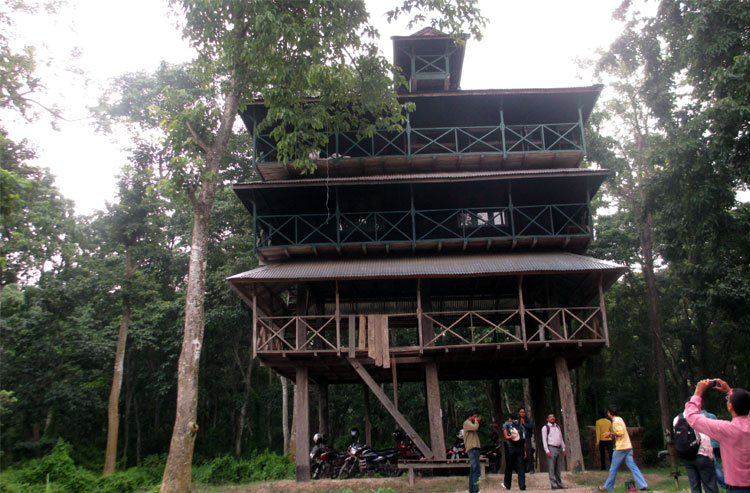
Mohare Danda Community Trek
A short, family-friendly trek run entirely by the local community, with stays in community lodges built and managed by villagers.
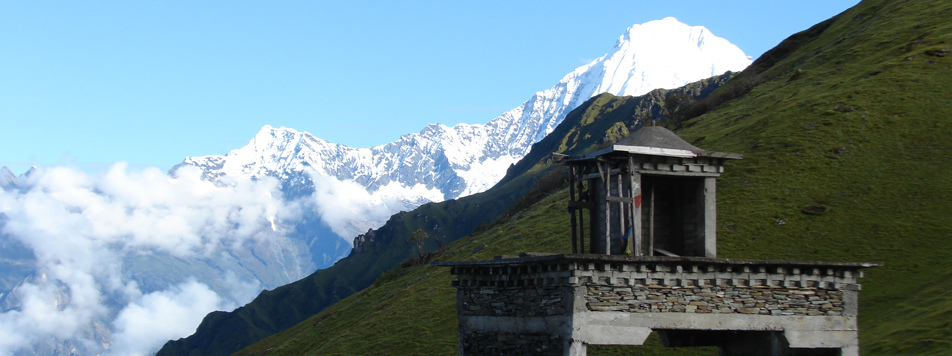
Ruby Valley Trek
A community trek west of Langtang, passing Tamang and Gurung villages with strong homestay networks and Ganesh Himal views.
Find Your Trek Style
Five practical ways to think about Nepal trekking — each list links to specific tours.
Short Treks (3-7 days)
- Ghorepani Poon Hill Trek
- Mardi Himal Trek
- Mohare Danda Community Trek
- Pikey Peak Trek
- Tamang Heritage Trail
Classic Teahouse Treks
- Everest View Trek
- Annapurna Base Camp
- Annapurna Circuit
- Langtang Valley
- Gokyo Lakes
Restricted Area Treks
- Upper Mustang
- Manaslu Circuit
- Tsum Valley
- Upper Dolpo
- Nar Phu Valley
Remote / Wilderness Treks
- Kanchenjunga Base Camp
- Makalu Base Camp
- Rara Lake
- Khaptad
- Saipal Base Camp
Community & Homestay Treks
- Mohare Danda
- Ruby Valley
- Sirubari Homestay Trek
- Ghalegaun Homestay
- Indigenous Peoples Trail
High-Pass / Expedition
- Three Passes Trek
- Dhaulagiri Circuit
- Rolwaling Valley
- Lumba Sumba
- Great Himalaya Trail
Trek With Local Guides and Sherpa Teams
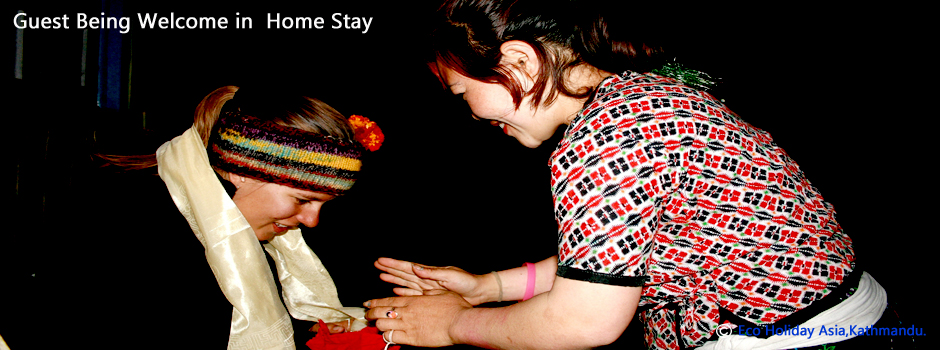
Every Eco Holiday Asia trek is led by licensed Nepali guides who grew up in the regions they walk. Porters, cooks and lodge owners come from the same communities.
We pay fair wages, follow IPPG porter welfare guidelines, and choose locally-owned lodges and homestays wherever the route allows.
Best Trekking Seasons in Nepal
Nepal has two main trekking seasons and two shoulder seasons. Each suits a different region.
Spring
Clear views, blooming rhododendrons, warm temperatures. Best for all altitudes including Everest Base Camp and Annapurna Circuit.
Autumn
The most popular season. Crisp air, stable weather, sharp Himalayan views. Major festivals and busy trails.
Winter
Cold but stable in the mountains. Best for low and mid-altitude treks like Poon Hill and Mardi Himal.
Monsoon
Rain in most regions. Best for rain-shadow areas: Upper Mustang, Upper Dolpo and Nar Phu Valley.
Trekking Difficulty in Nepal
Be realistic about your fitness and altitude experience. We can adjust pace, route and porter support.
Easy (3-7 days)
- Maximum altitude: under 3,500m
- Daily walking: 4-5 hours
- Comfortable lodges or community homestays
- No previous trekking experience needed
Moderate (7-14 days)
- Maximum altitude: 3,500 – 5,000m
- Daily walking: 5-7 hours
- Some long ascents and descents
- Basic fitness and acclimatization required
Hard / Strenuous (14+ days)
- Maximum altitude: 5,000m+
- Daily walking: 6-8 hours, high passes
- Long days at altitude, remote locations
- Good fitness and prior trekking experience advised
Trekking Permits in Nepal
Different regions need different permits. We arrange everything for our travelers — but here is a quick overview.
Required for Most Treks
A trekking information system card for safety tracking. Required for nearly all teahouse treks in Nepal.
Annapurna, Manaslu, Sagarmatha
Entry fees for protected areas. Vary by trek and revised periodically by the Nepal government.
Mustang, Dolpo, Manaslu, Tsum
Special permits for restricted regions. Must be booked through a registered Nepali agency with a licensed guide.
We Handle Everything
All permits, transportation, guides, porters and lodging arranged before your arrival. Permit rules and fees may change — we verify the latest requirements before confirming your trip.
How to Trek Well in Nepal
A few simple choices make a real difference to porters, mountain communities and fragile alpine environments.
Frequently Asked Questions
Do I need previous trekking experience to trek in Nepal?
How fit do I need to be for an Everest or Annapurna trek?
What is altitude sickness and how do you prevent it?
What kind of accommodation is available on Nepal treks?
Do I need a guide and porter to trek in Nepal?
What does an Eco Holiday Asia trek package include?
When is the best time of year to trek in Nepal?
Can Eco Holiday Asia customize a private trek?
Planning Your Nepal Journey from Abroad
International travellers choose Eco Holiday Asia for private, tailor-made Nepal journeys — planned and operated end to end by our Kathmandu-based team of licensed local experts.
Private, Tailor-Made Itineraries
Every journey is private and built around your dates, pace, comfort level and interests — never a fixed group departure.
Comfort & Premium Stays
From boutique heritage hotels in Kathmandu and Pokhara to the best available lodges on the trail, accommodation is matched to your standard.
Licensed Local Experts
English-speaking, government-licensed Nepali guides who know each region first-hand and channel income into local communities.
Seamless Arrival via Kathmandu
We handle every Nepal-side detail from Tribhuvan International Airport — domestic flights, permits, private transport and guides.
Planning Across Time Zones
We coordinate by email and WhatsApp (+977 9851207214) across every time zone, so planning your trip from abroad is effortless.
Book Ahead for Peak Seasons
Autumn and spring fill quickly; international travellers are best served by confirming a few months in advance for the finest guides and lodges.
Plan Your Nepal Trek With Local Experts
Tell us your dates, fitness, time and interests. Our Nepal-based team will design a trek that matches you — and pair you with guides who know the region by heart.
Customize Your Nepal Tour
Tell us your travel style, dates, interests and group details. Our Nepal-based team will help design a personalized journey with local guides, homestays, cultural experiences, trekking, wildlife, festival journeys and community-based travel.
Thank you! Your trip request has been received.
Our Nepal travel expert will contact you shortly on email or WhatsApp.