Restricted Area Treks in Nepal
Walk into Upper Mustang, Upper Dolpo, Manaslu, Tsum Valley and other restricted regions of Nepal — high-altitude, deeply cultural, and far less crowded.
Why Restricted Areas Exist — And Why They’re Worth It
Some of Nepal’s most remote regions are designated “restricted areas” by the government to protect fragile mountain cultures, border zones, and traditional ways of life. Foreign trekkers need a Restricted Area Permit (RAP), a licensed Nepali guide, and a registered agency to enter.
In practice, this means these are some of the quietest, most authentic and most stunning trekking regions in the world. Upper Mustang, Upper Dolpo, Manaslu, Tsum Valley, Kanchenjunga and Nar Phu open into a Nepal that mass tourism has not reshaped.
Pick a Restricted Region
12 Best Restricted Area Treks in Nepal
Each of these treks needs a special permit, a licensed Nepali guide and a registered agency — we arrange all three.

Upper Mustang Trek
Walk into the former Kingdom of Lo — Tibetan-style villages, red cliffs, the walled city of Lo Manthang and ancient cave monasteries.
Manaslu Circuit Trek
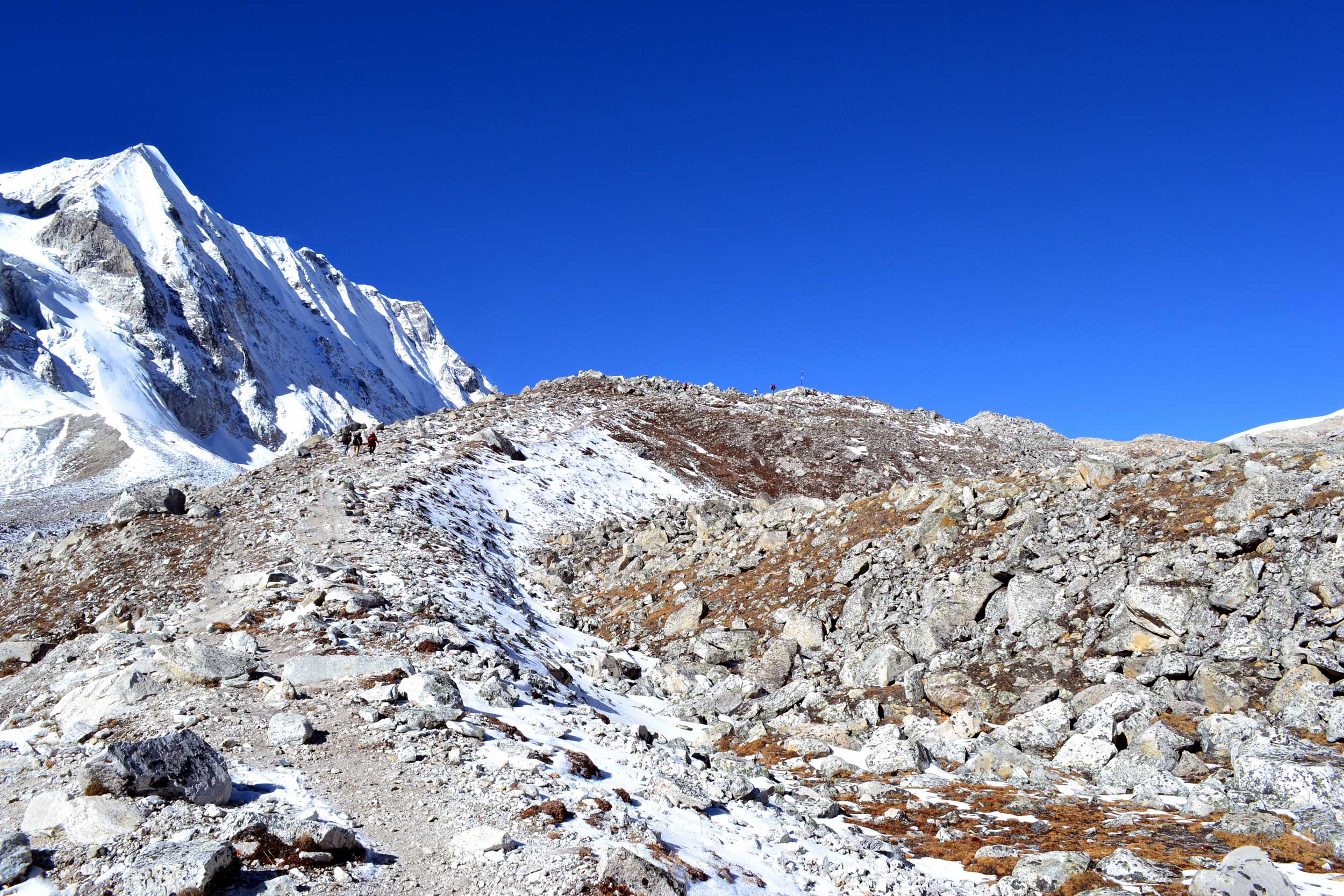
A trek around the world’s eighth-highest mountain, crossing the Larkya La pass at 5,160m. Wild, dramatic, and far less crowded than Annapurna.
Tsum Valley Trek
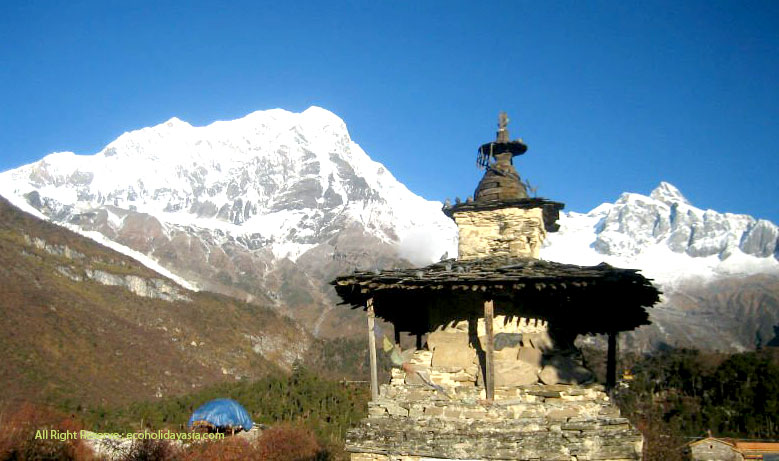
A hidden Buddhist valley near the Tibetan border — ancient monasteries, sky-burial sites and a sacred peace pledge against hunting.
Upper Dolpo Trek
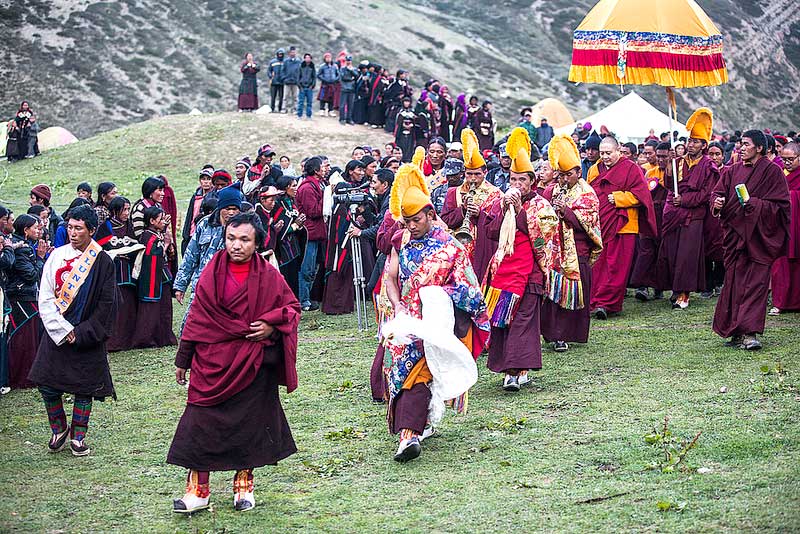
One of the world’s great wilderness treks — Phoksundo Lake, high passes, ancient Bon and Buddhist monasteries of Inner Dolpo.
Lower Dolpo Trek
A shorter Dolpo option — Phoksundo Lake’s turquoise waters, traditional villages and a window into trans-Himalayan culture.
Dolpo Shey Gompa Trek
A deep Dolpo journey to the legendary Shey Gompa and Crystal Mountain — pilgrim trails and the most spiritual corner of Dolpo.

Kanchenjunga Base Camp Trek
A long expedition trek to the base of the world’s third-highest mountain on the Sikkim border — remote and physically demanding.
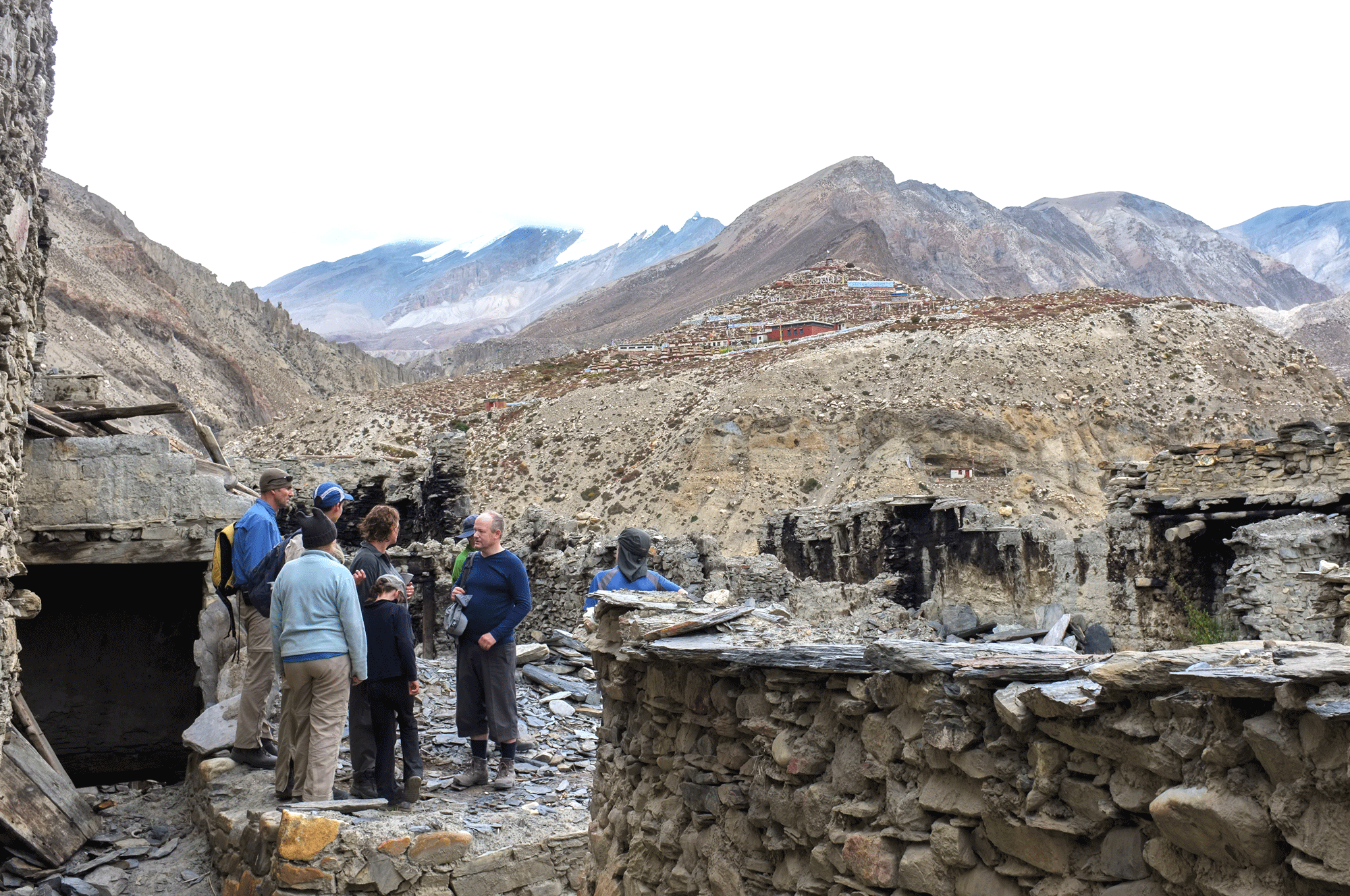
Nar Phu Valley Trek
A short, dramatic side trek off the Annapurna Circuit into the medieval Tibetan villages of Nar and Phu.
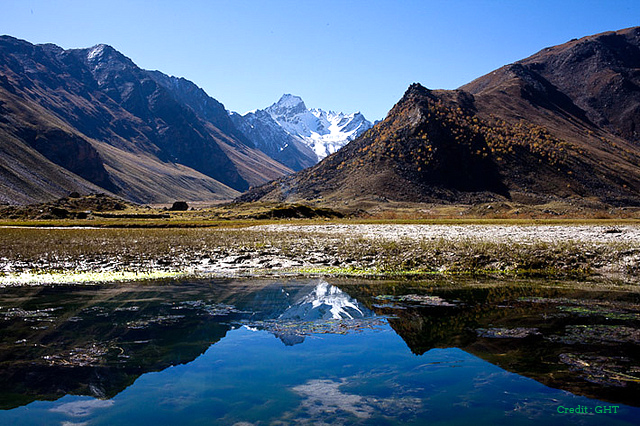
Humla & Limi Valley Trek
In Nepal’s extreme far west — Tibetan-Buddhist villages, ancient monasteries and a high desert that almost no foreign trekkers reach.
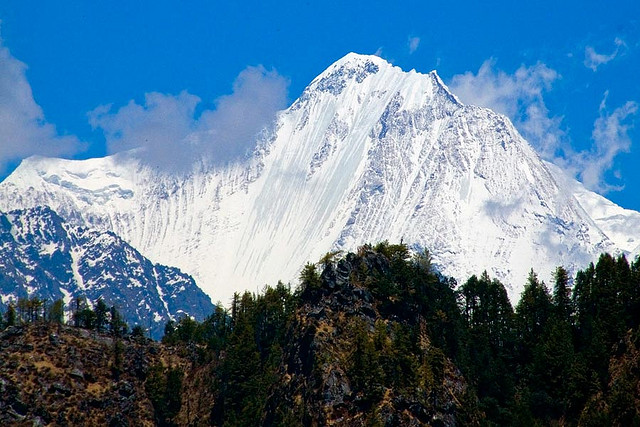
Saipal Base Camp Trek
A wild far-western Himalayan trek to the base of Saipal — almost no foreign visitors, deep cultural exchange with shepherd communities.

Lumba Sumba Trek
A high pass linking the Kanchenjunga and Makalu regions in the far east — a Great Himalaya Trail section few have walked.
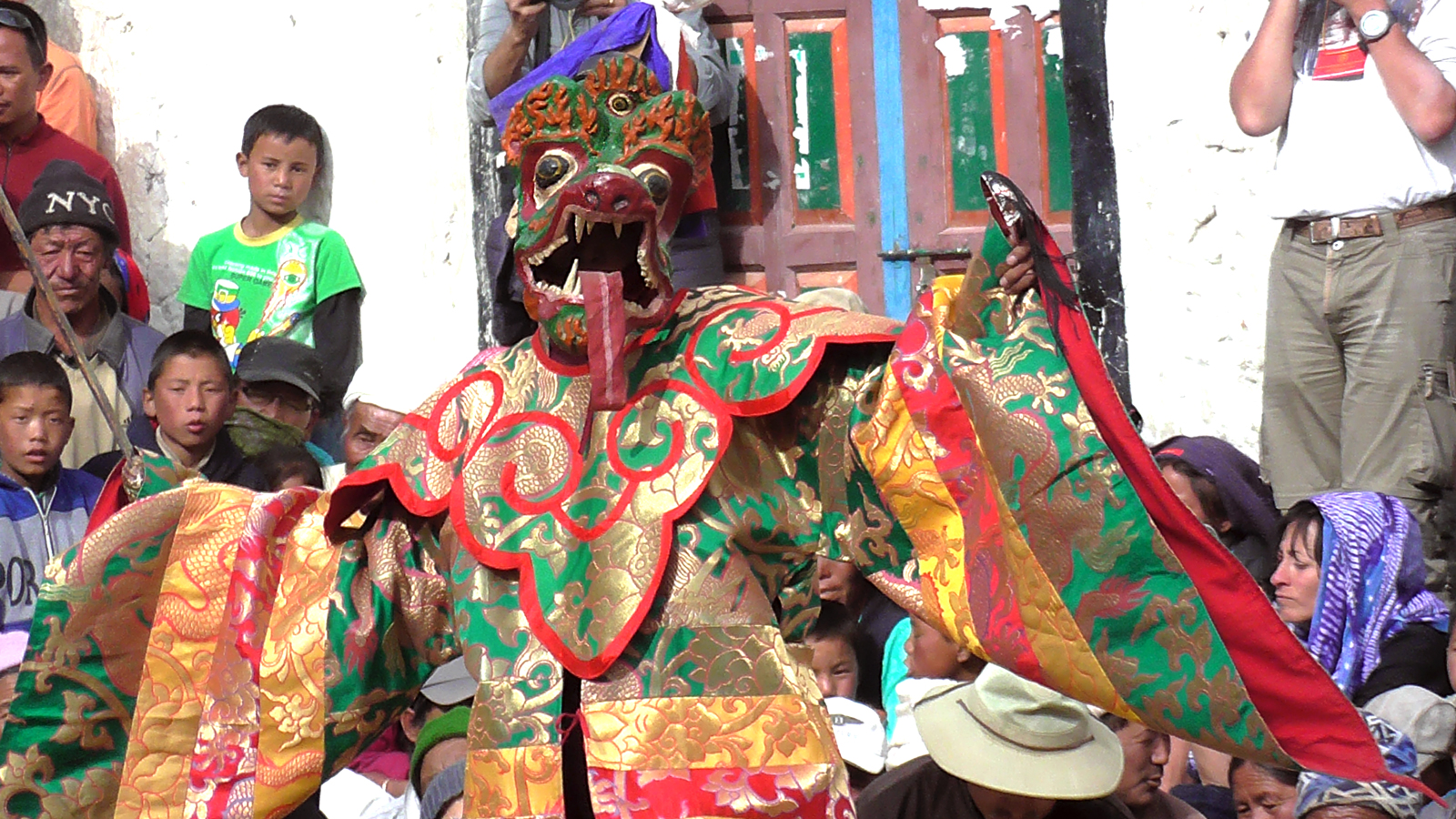
Mustang Tiji Festival Tour
A focused tour to witness the Tiji Festival in Lo Manthang — masked dances, fire rituals and the most striking festival in Upper Mustang.
Restricted Area Permit Costs (RAP)
Each region has its own permit rules. We handle the paperwork — but here is a quick overview so you know what to budget.
Upper Mustang Permit
- USD 500 per person for 10 days
- USD 50 per person per additional day
- Minimum 2 trekkers required
- Issued by Department of Immigration in Kathmandu
- Eco Holiday Asia handles the application
Manaslu & Tsum Valley
- USD 100 per person per week (Sep-Nov)
- USD 75 per person per week (Dec-Aug)
- Minimum 2 trekkers required
- MCAP fee + ACAP fee additional
- We arrange permits before you arrive
Upper & Lower Dolpo
- Upper Dolpo: USD 500 per person for 10 days
- Lower Dolpo: USD 20 per person per week
- Camping permit + national park fees
- Most Dolpo treks need camping support
- Multi-week logistics — book early
Other Restricted Areas
- Kanchenjunga, Humla, Nar Phu, Bara/Bhirgaun: varies
- Most are USD 10-20 per person per week
- All need a licensed guide and registered agency
- Permit rules and fees may change — Eco Holiday Asia verifies the latest requirements before confirming your trip
- Apply at least 2 weeks before trek start
How We Run Restricted Area Treks
Restricted-area treks need an experienced operator. We use licensed Nepali guides who have personally walked these regions multiple times, work with reliable porters, and design conservative acclimatization schedules.
For camping treks, we send a full support team — kitchen, dining tent, sleeping tents, mattresses and toilet tent. For teahouse-route restricted treks like Manaslu and Upper Mustang, we use the best of the simple local lodges available.
Best Seasons for Restricted Treks
Restricted regions of Nepal have distinct seasons that differ from popular trekking routes.
Spring
Best for Manaslu, Tsum Valley, Kanchenjunga and Nar Phu. Clearest views and stable weather.
Monsoon
Best for Upper Mustang and Upper Dolpo — rain-shadow regions stay dry while the rest of Nepal floods.
Autumn
Excellent for all restricted regions. Tiji Festival in Mustang sometimes falls in late spring; check exact dates.
Winter
Most restricted regions are closed or impassable. Some communities migrate out.
How to Plan a Restricted Trek
Six things to know before you start booking a Nepal restricted-area trek.
Frequently Asked Questions
What is a Restricted Area Permit (RAP) in Nepal?
Why are some Nepal trekking regions restricted?
Can I trek restricted areas without a guide?
How much do restricted area permits cost?
What is the minimum group size for a restricted trek?
Are restricted area treks safe?
Which restricted region is best for first-time restricted-area trekkers?
How do I plan a restricted-area trek in Nepal?
Festival Journeys in Restricted Regions
Planning Your Nepal Journey from Abroad
International travellers choose Eco Holiday Asia for private, tailor-made Nepal journeys — planned and operated end to end by our Kathmandu-based team of licensed local experts.
Private, Tailor-Made Itineraries
Every journey is private and built around your dates, pace, comfort level and interests — never a fixed group departure.
Comfort & Premium Stays
From boutique heritage hotels in Kathmandu and Pokhara to the best available lodges on the trail, accommodation is matched to your standard.
Licensed Local Experts
English-speaking, government-licensed Nepali guides who know each region first-hand and channel income into local communities.
Seamless Arrival via Kathmandu
We handle every Nepal-side detail from Tribhuvan International Airport — domestic flights, permits, private transport and guides.
Planning Across Time Zones
We coordinate by email and WhatsApp (+977 9851207214) across every time zone, so planning your trip from abroad is effortless.
Book Ahead for Peak Seasons
Autumn and spring fill quickly; international travellers are best served by confirming a few months in advance for the finest guides and lodges.
Plan a Restricted Area Trek in Nepal
Tell us your dates, fitness and target region. We will handle the permits, guides and logistics — and design a trek that opens up the Nepal most travelers never see.
Customize Your Nepal Tour
Tell us your travel style, dates, interests and group details. Our Nepal-based team will help design a personalized journey with local guides, homestays, cultural experiences, trekking, wildlife, festival journeys and community-based travel.
Thank you! Your trip request has been received.
Our Nepal travel expert will contact you shortly on email or WhatsApp.