Tsum Valley Buddhist Festival Trek
Trek into the sacred hidden valley of Tsum in the Manaslu region — ancient monasteries, Buddhist villages and a community devoted to non-violence.
Tsum Valley is a sacred, sheltered valley in the Manaslu region, long closed to outsiders and still deeply traditional. A Tsum Valley Buddhist Festival Trek walks into this hidden world of gompas, mani walls and Buddhist villages, where the community has historically pledged itself to non-violence and the protection of life.
A Sacred Valley of Monasteries
Tsum’s spiritual life centres on monasteries such as Mu Gompa and Rachen Nunnery, set high in the valley. Buddhist festivals and rituals follow the Tibetan calendar, and the valley’s pilgrimage sites — including caves associated with the saint Milarepa — draw devotion year-round. We plan treks around verified local festival timing where possible.
The Beyul of Tsum
Tsum is regarded as a beyul — a sacred hidden valley in Tibetan Buddhist tradition. Its community has upheld a vow against hunting and killing, and the landscape is dotted with chortens, prayer walls and monasteries. Walking here is a journey into a protected spiritual world.
Location and Date Status
Tsum Valley branches north off the Manaslu trail in north-central Nepal, reached via Soti Khola or Machha Khola and the lower Budhi Gandaki valley.
Date status: Tsum’s monastery festivals follow the Tibetan Buddhist calendar and are confirmed locally closer to the time. Eco Holiday Asia verifies dates before confirming departures.
Suggested Trek Itinerary
This is a suggested flow — every itinerary is private and tailored to your dates, pace and comfort level.
- Day 1 — Kathmandu to Machha Khola: Drive from Kathmandu to the trailhead in the Budhi Gandaki valley.
- Days 2–4 — Into the valley: Trek up through Jagat and Lokpa, entering Tsum Valley with its first monasteries and villages.
- Days 5–8 — Upper Tsum: Reach Mu Gompa and Rachen Nunnery, visit pilgrimage sites and, where timing allows, local festival rituals.
- Days 9–11 — Return: Trek back down the valley to the Budhi Gandaki.
- Day 12 — Drive to Kathmandu: Return by road, with onward departure thereafter.
Local Guide and Permit Support
Tsum lies in a restricted area of the Manaslu region. You travel with our licensed guides and support team, on an itinerary that respects altitude, the sacred character of the valley and local customs.
Permit note: Tsum Valley is a restricted area and lies within the Manaslu Conservation Area. Permit rules and fees may change. Eco Holiday Asia verifies the latest requirements with the Department of Immigration and conservation authorities before confirming your trip.
Community Impact of This Journey
Tsum has strong community lodges and homestays, and tourism income supports village families, guides, porters and the monasteries and nunneries that define the valley’s life. We favour community-run lodges throughout.
Accommodation, Season and Weather
Accommodation
Community lodges, homestays and simple guesthouses along the route, with a hotel in Kathmandu at the start and end.
Best Season
Spring and autumn are best, with stable weather and clear mountain views. We avoid the heaviest monsoon months for this trek.
Travel Pace
A moderate-to-demanding teahouse and community-lodge trek, with steady days and altitude in the upper valley. We plan acclimatization accordingly.
Responsible Travel Notes
A few simple choices keep your visit respectful and low-impact.
- Follow your guide on etiquette at monasteries and festival grounds.
- Dress modestly and ask before photographing monks, performers or local people.
- Carry a refillable water bottle and avoid single-use plastic.
- Support local lodges, guides, drivers and artisans.
- Respect sacred sites, communities and all permit and conservation rules.
Planning Your Journey from Abroad
International travellers often plan Upper Mustang festival journeys many months in advance, because permits, flights, local lodges and guide availability can be limited during festival periods. Eco Holiday Asia helps coordinate the Nepal-side arrangements, including itinerary planning, local guide support, restricted area permit guidance, ground transport and cultural travel advice.
Arrival Through Kathmandu
Most international travelers fly into Kathmandu (Tribhuvan International Airport), then connect by flight to Pokhara and Jomsom for Upper Mustang. We handle all Nepal-side logistics from arrival.
Restricted Area Permit Support
Upper Mustang requires a restricted area permit arranged through a registered Nepal agency with a licensed guide. We prepare the paperwork and guide you on the documents needed.
Private & Custom Itineraries
Every festival journey is private and customizable — comfort level, trek vs jeep, the number of festival days at Lo Manthang and add-on regions are all shaped around you.
Early Booking Advice
Festival-period guides, lodges and Lo Manthang accommodation book out early. We recommend international travelers confirm several months ahead, especially for small-group and family trips.
Communication Across Time Zones
We coordinate by email (booking@ecoholidayasia.com) and WhatsApp (+977 9851207214), so travellers in every time zone can plan comfortably.
Who It Suits
Suitable for solo travelers, couples, families, senior travelers and small private groups, with pace and comfort adjusted to each. Visa is available on arrival for most nationalities (verify with the Department of Immigration Nepal).
Tsum Valley Buddhist Festival Trek — Frequently Asked Questions
Where is Tsum Valley?
What makes Tsum special?
Can I see a festival in Tsum?
Do I need permits for Tsum Valley?
How hard is the Tsum Valley trek?
When is the best time to trek Tsum?
Related Trips
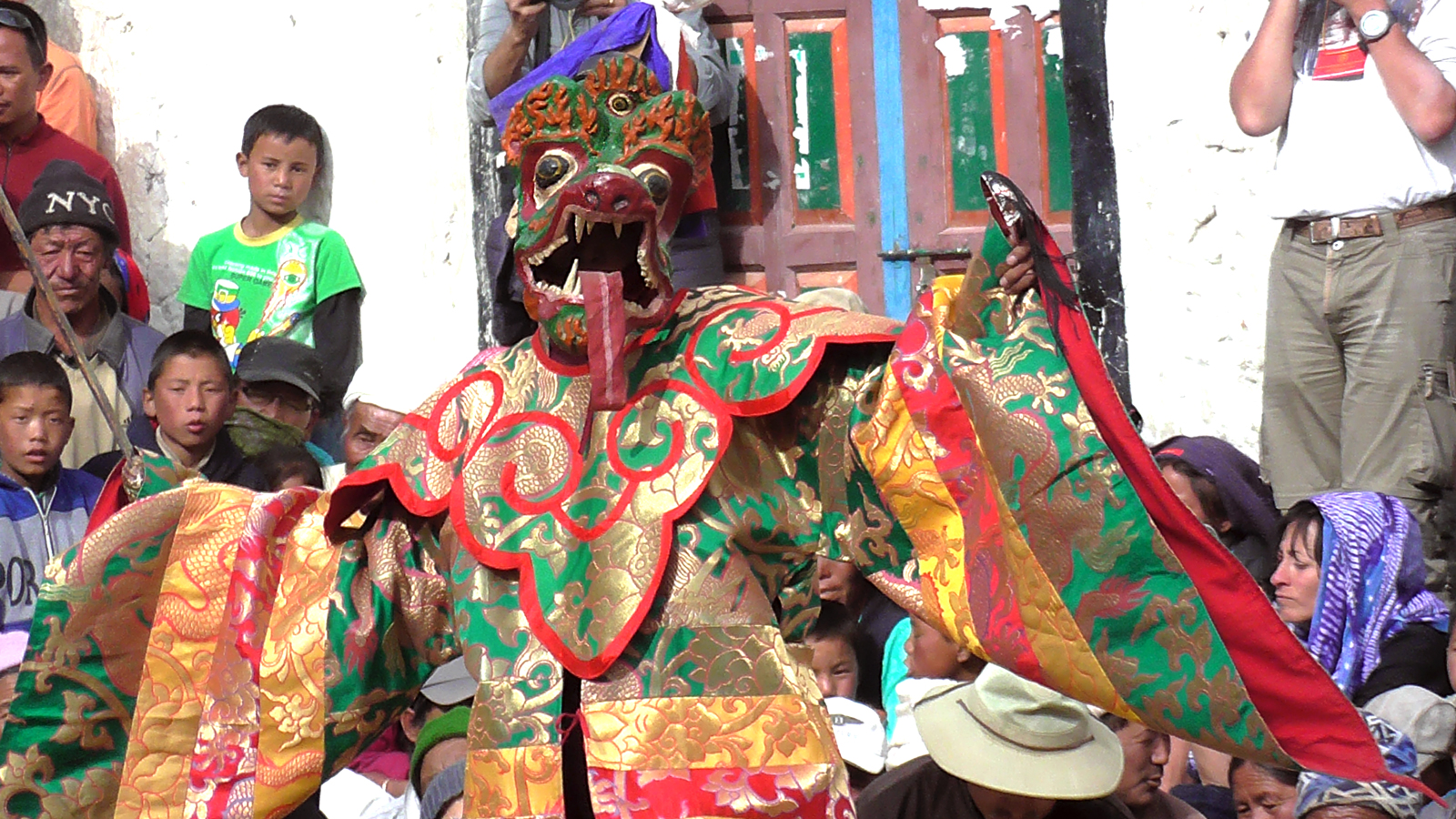
Tibetan Buddhist Festival Tours
Mustang, Dolpo, Tsum, Limi
Cultural journey
Monastery festivals and Tibetan Buddhist culture across Nepal.
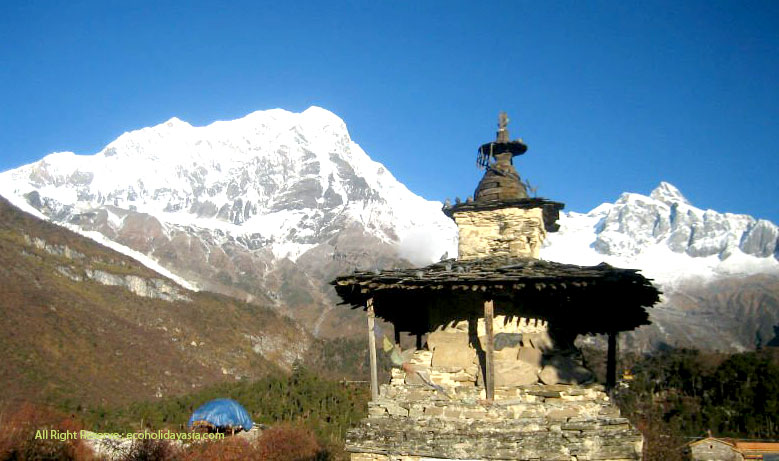
Tsum Valley Trek
Tsum Valley, Nepal
Spring & autumn
The classic Tsum Valley restricted-area trek in the Manaslu region.
Nepal Festival Tours
Across Nepal
Festival journeys
Browse all Tibetan Buddhist and Himalayan festival journeys.
Customize Your Tsum Valley Trek
Tell us your dates and trekking experience. We will design a private Tsum Valley journey with monastery culture, community lodges and permits handled.
Customize Your Nepal Tour
Tell us your travel style, dates, interests and group details. Our Nepal-based team will help design a personalized journey with local guides, homestays, cultural experiences, trekking, wildlife, festival journeys and community-based travel.
Thank you! Your trip request has been received.
Our Nepal travel expert will contact you shortly on email or WhatsApp.