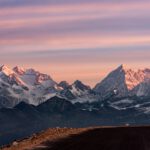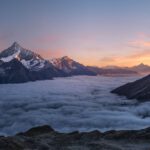
The best time to trek in Nepal is autumn (October to November) and spring (March to May). Both seasons offer clear mountain views, stable weather, and comfortable temperatures across most trekking routes. That said, Nepal can be trekked year-round if you choose the right destination for each season.
Nepal’s Four Trekking Seasons at a Glance
| Season | Months | Weather | Crowds |
|---|---|---|---|
| Autumn | Oct – Nov | Clear, dry, excellent visibility | High |
| Spring | Mar – May | Warm, some haze, rhododendrons blooming | Moderate-High |
| Winter | Dec – Feb | Cold, clear at low altitude, snowbound above 4,000m | Low |
| Monsoon | Jun – Sep | Heavy rain, leeches, cloud cover; dry in rain-shadow areas | Very Low |
Autumn (October – November) — The Best All-Round Season
Autumn is Nepal’s premier trekking season. The summer monsoon retreats by late September, leaving the sky scrubbed clean and the high peaks sharply visible. Trails are dry, teahouses are fully stocked, and domestic flights operate reliably.
What to Expect
- Visibility: Exceptional — you can often see from Everest to Dhaulagiri in a single sweep
- Temperatures: 15–22°C in the mid-hills; sub-zero nights above 4,500m
- Trails: Dry and well-maintained; Lukla flights are at their most reliable
- Crowds: The busiest period — book permits, teahouses, and Lukla flights well in advance
Best Treks for Autumn
- Everest Base Camp Trek — ideal conditions for high-altitude acclimatisation
- Annapurna Base Camp Trek — rhododendron forests still faintly golden
- Langtang Valley Trek — fewer crowds than the main circuits
- Upper Mustang — harvest season; apple festival in Marpha in October
Spring (March – May) — Colour, Wildlife, and Mountaineering Season
Spring is the second-best time to trek in Nepal — and for many routes, it is actually the best. Rhododendron forests (Nepal’s national flower) explode in red and pink from late February through April, and the middle hills are vividly green. Temperatures are warmer than in autumn, especially at lower elevations.
What to Expect
- Visibility: Good in the morning; afternoon clouds can build, especially in April and May
- Temperatures: Warmer than autumn at low altitude; high passes remain snowy through March
- Highlights: Rhododendron blooms, bird migration, climbing season on the 8,000m peaks
- Crowds: Moderate — less busy than autumn, but EBC can still be packed in April
Best Treks for Spring
- Ghorepani Poon Hill Trek — rhododendron forests at their peak in March
- Mardi Himal Trek — quieter alternative to Annapurna Base Camp
- Upper Mustang Trek — the Tiji Festival takes place in May (dates vary)
- Manaslu Circuit — dramatic ridge walking before the snowline descends
Winter (December – February) — Silent Trails and Crystal Skies
Winter trekking is possible on lower-altitude routes, offering quiet trails and stunning views. High passes above 4,500m may be closed due to snow.
What to Expect
- Temperatures: Cold at altitude (below −10°C above 4,000m), mild in the mid-hills (5–15°C)
- Trails: Quiet; many teahouses in high areas closed or minimally staffed
- Permits: Easy to get — no pre-booking scramble
- Crowds: Very low; you may have stretches of trail entirely to yourself
Best Treks for Winter
- Poon Hill Trek — stays accessible even in January; snow-dusted peaks look spectacular
- Mohare Danda Community Trek — mid-altitude, rhododendron ridge, and quiet village stays
- Chitwan and Bardia National Parks — dry season is the best time for wildlife safaris
- Kathmandu Valley cultural circuit — mild days, no rain, great photography light
Monsoon (June – September) — Rain-Shadow Treks Only
The summer monsoon drenches most of Nepal from June through September. Trails become slippery and leech-infested below 3,000m, and low cloud cover blocks mountain views. However, the Himalayan rain-shadow areas that lie north of the main ridge stay relatively dry.
Rain-Shadow Destinations Worth Visiting
- Upper Mustang — ancient Tibetan-influenced kingdom; receives little rain even in July
- Upper Dolpo — remote, otherworldly landscape; crystal-blue Phoksundo Lake
- Nar Phu Valley — restricted area permit required; dramatic canyon trekking
Note: Even in monsoon season, Kathmandu Valley temple visits and cultural tours are perfectly manageable with light rain gear.
Month-by-Month Quick Reference
| Month | Trekking Conditions | Recommended Treks |
|---|---|---|
| January | Cold, clear, quiet | Poon Hill, Chitwan Safari |
| February | Still cold; early rhododendrons | Poon Hill, lower Annapurna routes |
| March | Good; rhododendrons peak in mid-hills | Poon Hill, EBC, Langtang |
| April | Excellent; warm; some haze | Annapurna Circuit, EBC, Manaslu |
| May | Warm, pre-monsoon clouds afternoon | Upper Mustang (Tiji Festival), EBC early May |
| June | Monsoon begins; rain-shadow areas fine | Upper Mustang, Upper Dolpo |
| July | Heavy rain most areas; leeches | Upper Mustang only |
| August | Monsoon peak | Upper Dolpo, cultural tours |
| September | Monsoon retreating; trails drying | Langtang, Poon Hill |
| October | Peak season; outstanding | All routes; EBC, Annapurna, Manaslu |
| November | Excellent; drier, cooler | All routes; fewer crowds late Nov |
| December | Cold; high routes closing | Poon Hill, Chitwan, cultural tours |
Planning Tips from Our Guides
- Book Lukla flights early: Flights to Lukla (gateway to Everest) sell out weeks ahead in October and April. Book as soon as your trek dates are confirmed.
- Altitude matters more than calendar: A trek to 5,000m in March is harder on your body than one to 3,500m in July. Plan acclimatisation days accordingly.
- Permits close or change seasonally: Tsum Valley and some restricted areas have seasonal permit quotas. Eco Holiday Asia verifies all current requirements before confirming your booking.
- Layer up regardless of season: Altitude drops temperatures quickly. Even in May, nights above 4,000m can reach −5°C.
Ready to Plan Your Nepal Trek?
Our Nepal specialists create personalised itineraries built around your dates, fitness level, and interests. All logistics handled end-to-end.