
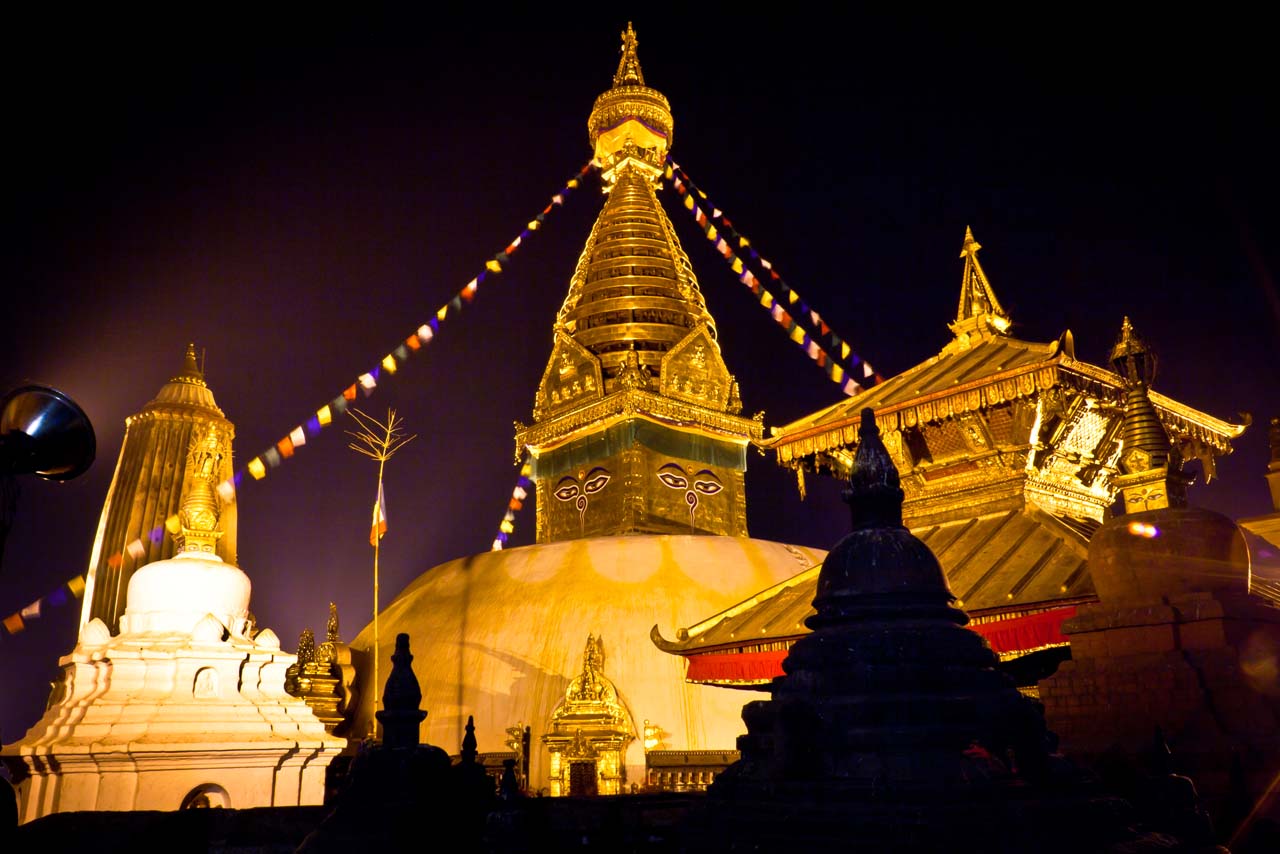
Lumbini Buddhist Heritage Tour Nepal | 7-10 Days
Lumbini is where Siddhartha Gautama was born in approximately 563 BCE. An archaeological marker stone in the Maya Devi Temple, confirmed by the Ashoka Pillar inscription of 249 BCE, identifies the exact nativity spot. The site was inscribed as a UNESCO World Heritage Site in 1997 and is now one of the most important Buddhist pilgrimage destinations in the world, drawing pilgrims from Japan, South Korea, Thailand, Sri Lanka, Taiwan, China, Singapore, Europe and the Americas. The Sacred Garden contains the original nativity temple, the Ashoka Pillar and a Bodhi tree; the surrounding Monastic Zone holds over 30 international monasteries representing every major Buddhist tradition. Eco Holiday Asia’s Lumbini Buddhist Heritage Tour provides a meaningful, well-guided experience of the site in 7-10 days from Kathmandu, with the option to extend into Kapilavastu and a Chitwan or Pokhara combination.
The Sacred Garden
The Sacred Garden at the centre of Lumbini holds the most important monuments:
- Maya Devi Temple: Built directly over the nativity spot, the current structure stands on archaeological foundations from the 3rd century BCE. Inside, a marker stone (the Nativity Stone) beneath protective glass marks the exact birth site.
- Ashoka Pillar (249 BCE): Emperor Ashoka visited Lumbini 20 years after becoming a Buddhist and erected this sandstone pillar inscribed in Brahmi script, recording the visit and granting tax exemptions to the birthplace village. It is the oldest confirmed historical document related to the life of the Buddha.
- Sacred Pond: The Puskarini pond, where Maya Devi is said to have bathed before giving birth. The current pond retains water continuously and is a focus for ritual offerings.
- Bodhi Tree: A Bodhi fig tree within the garden, planted as a symbolic descendant of the tree under which the Buddha attained enlightenment at Bodh Gaya.
The Monastic Zone
Stretching 3 km north of the Sacred Garden, the Monastic Zone (East Sector: Theravada tradition; West Sector: Mahayana/Vajrayana tradition) holds over 30 national monasteries. Each was funded and built by a national Buddhist community and designed in its home country’s architectural tradition. Walking through the zone gives an extraordinary survey of Buddhist architecture across Asia: the Chinese Great Drigung Kagyud Lotus Stupa, the Japanese Peace Pagoda, the Myanmar Golden Temple, the German Buddhist monastery, the Korean temple, the Cambodian and Vietnamese monasteries. Many are open to visitors and some offer accommodation.
Itinerary (4-day core)
Morning flight to Bhairahawa (approx. 40 min). Drive to Lumbini (30 min). Check in. Afternoon: Sacred Garden — Maya Devi Temple and Ashoka Pillar in the late afternoon light. Evening candlelight meditation in the Sacred Garden (optional). Overnight Lumbini.
Early morning at the Sacred Garden before other visitors arrive. Maya Devi Temple interior (nativity marker stone inside). Ashoka Pillar, Sacred Pond, Bodhi tree. Late morning: Monastic Zone East and West sectors — Sri Lankan, Cambodian, Chinese, Burmese, Korean, Thai, German, Vietnamese and other national monasteries. Afternoon: Lumbini Museum. Evening debrief with guide over dinner.
Drive to Kapilavastu (27 km) — the archaeological site of ancient Kapilavastu, childhood home of the Buddha. Return to Lumbini. Afternoon at leisure for personal reflection or additional monastery visits. Overnight Lumbini.
Optional early morning meditation at Maya Devi Temple. Return to Kathmandu by air or private vehicle (6 hours by road).
Includes & Excludes
Included
- Kathmandu airport transfer + hotel
- Bhairahawa flight (one way or return)
- Private vehicle Bhairahawa–Lumbini and all local transfers
- Licensed Buddhist heritage guide
- All Lumbini monument entry fees
- Lumbini Museum entry
- Accommodation in Lumbini (hotel)
- Daily breakfast
Excluded
- International flights to/from Kathmandu
- Nepal visa
- Travel insurance (required)
- Tips for guide and driver
- Personal donation offerings at monasteries
- Personal items and drinks
Best Season
October to March is the most comfortable season: dry, clear and temperatures of 10-25°C. The Terai is hot and humid April–September. Buddha Jayanti (Vesak full moon, usually May) is the most spiritually significant time to visit — the Sacred Garden is lit with butter lamps at night and receives tens of thousands of pilgrims.
Responsible Heritage Visiting
The Maya Devi Temple requires shoes to be removed before entering. Photography is permitted in the Sacred Garden but not inside the Maya Devi Temple inner sanctum. All circumambulations of the temple and sacred pond are clockwise. Eco Holiday Asia briefs all guests on etiquette before arrival. The Monastic Zone monasteries are active places of practice: guests are requested to speak quietly, obtain permission before photographing monks, and not interrupt religious ceremonies.
Frequently Asked Questions
Related Journeys
Buddhist Circuit Tour Nepal • Buddhist Sacred Himalaya Tour • Himalayan Pilgrimage Tours
Plan Your Lumbini Buddhist Heritage Tour
Our Nepal specialists plan every detail — permits, transport, guides, accommodation and activities tailored to you.