
Best Places to Visit in Nepal
From Himalayan trekking regions and heritage cities to wildlife parks, sacred sites, lakeside towns and community villages, Nepal offers meaningful journeys for every traveler.
A Country of Mountains, Heritage and Community
Nepal is more than mountains. It is a country of living heritage, warm village hospitality, sacred places, wildlife parks, lakes, valleys and Himalayan trails. This guide brings together the best places to visit in Nepal, with practical ideas for cultural tours, trekking, family holidays, wildlife experiences and community-based travel.
We are Eco Holiday Asia, a Nepal-based travel company that designs trips with local guides, homestay families and small community partners. Use this page to plan your route, then talk to our team to customize an itinerary that fits your dates, interests and pace.
What Kind of Nepal Trip Are You Looking For?
Best Places by Travel Style
Not sure where to start? Use these short lists to match Nepal’s regions to your travel goals.
Best Places for First-Time Visitors
- Kathmandu Valley — heritage and culture
- Pokhara — lake and mountain views
- Chitwan — wildlife safari
- Lumbini — Buddhist heritage
Best Places for Trekking in Nepal
- Everest Region — classic Himalayan trek
- Annapurna Region — most diverse trails
- Langtang — closest to Kathmandu
- Manaslu, Mustang, Dolpo — restricted-area treks
Best Places for Community-Based Travel
- Panauti — Newari town homestays
- Bandipur — preserved hill town
- Ghale Gaun, Sirubari — Gurung villages
- Ruby Valley, Chepang Hills
- Tharu community in Chitwan and Bardia
Best Places for Family Holidays
- Kathmandu — heritage day tours
- Pokhara — boats, paragliding, easy walks
- Chitwan — wildlife safari for all ages
- Bandipur — calm hill town
- Lumbini — peaceful sacred garden
Best Offbeat Places in Nepal
- Rara Lake — Nepal’s largest lake
- Dolpo — trans-Himalayan culture
- Kanchenjunga — eastern wilderness
- Far West Nepal — Khaptad meadows
- Tsum Valley — sacred hidden valley
- Ruby Valley — community trekking
Travel Deeper With Local Guides and Communities
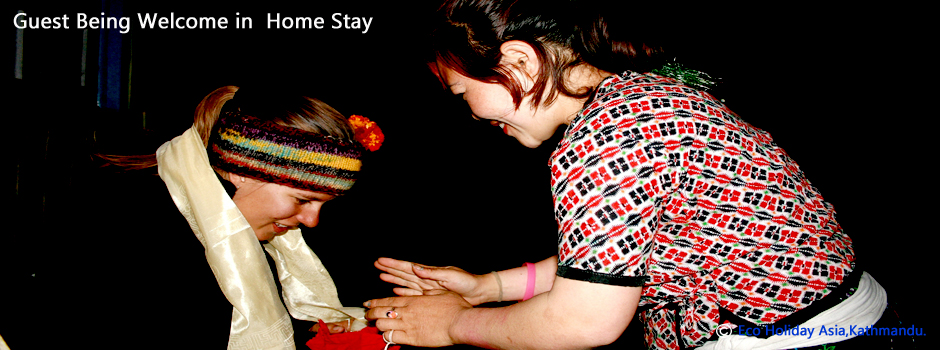
Eco Holiday Asia designs Nepal journeys that connect travelers with local guides, homestay families, porters, drivers, farmers, artisans and small businesses.
Wherever possible, our itineraries include local food, village walks, cultural exchange, community stays and responsible travel practices — so your trip supports the people who make Nepal worth visiting.
How Many Days Do You Have?
A starting point for your route. Every itinerary is fully customizable — we shape pace, accommodation level and activities around you.
Kathmandu, Pokhara and Local Culture
A short introduction to Nepal — UNESCO heritage walks, a flight or scenic drive to Pokhara, and lakeside time with sunrise mountain views.
Kathmandu, Pokhara and Chitwan
The classic Nepal triangle. Culture in Kathmandu, lakes and mountains in Pokhara, wildlife and Tharu villages in Chitwan.
Nepal Culture, Nature and Homestay
Heritage cities, a community homestay in a Newari or Gurung village, Pokhara lakeside, and an easy walk in the Himalayan foothills.
Annapurna Trekking and Community Experience
A moderate trek in the Annapurna region — Mohare Danda or Annapurna Base Camp — combined with cultural days in Kathmandu and Pokhara.
Everest or Mustang With Local Guide
A serious Himalayan journey. Choose Everest Base Camp for high-altitude adventure or Upper Mustang for trans-Himalayan culture and landscape.
Best Time to Visit Nepal
Nepal has four clear seasons. Each suits a different kind of trip.
Spring
Warm weather, rhododendron forests in bloom, clear mountain views. Best for trekking at all altitudes and cultural tours.
Autumn
Nepal’s busiest and clearest season — crisp air, sharp Himalayan views, major festivals like Dashain and Tihar. Best for trekking and photography.
Winter
Cold but stable in the mountains, beautiful clear days in the cities. Best for lower-altitude treks, cultural tours, Chitwan and Lumbini.
Monsoon
Green hills, fewer crowds, lower prices. Best for Upper Mustang and Dolpo (rain shadow), cultural tours and birdwatching in Chitwan.
How to Travel Well in Nepal
Small choices on a Nepal trip make a real difference to local communities and fragile mountain environments.
Respect Local Culture
Ask before photographing people, dress modestly at temples, and learn a few words of Nepali.
Travel With Local Guides
Local guides bring deeper context and put income directly into Nepali households.
Support Homestays
Choose homestays and small lodges over large chain hotels wherever it fits your trip.
Reduce Plastic Waste
Carry a refillable water bottle and avoid single-use plastic in trekking regions.
Follow Permit Rules
National park and restricted-area permits protect wildlife and traditional cultures.
Choose Community Experiences
Pick at least one village stay, cooking class or craft workshop on your itinerary.
Frequently Asked Questions
What are the best places to visit in Nepal for first-time travelers?
Which places are best for trekking in Nepal?
Which places are best for culture and heritage?
Which places are best for wildlife?
Which places are best for homestays and community tourism?
How many days are enough for Nepal?
What is the best time to visit Nepal?
Can Eco Holiday Asia customize a Nepal itinerary?
Plan Your Nepal Journey With Local Experts
Tell us your travel dates, interests, comfort level and budget. Our Nepal-based team will help design a meaningful journey with the right balance of culture, nature, trekking, homestays and local experiences.
Customize Your Nepal Tour
Tell us your travel style, dates, interests and group details. Our Nepal-based team will help design a personalized journey with local guides, homestays, cultural experiences, trekking, wildlife, festival journeys and community-based travel.
Thank you! Your trip request has been received.
Our Nepal travel expert will contact you shortly on email or WhatsApp.