
Nepal Wildlife Tours | Chitwan and Bardia Safari
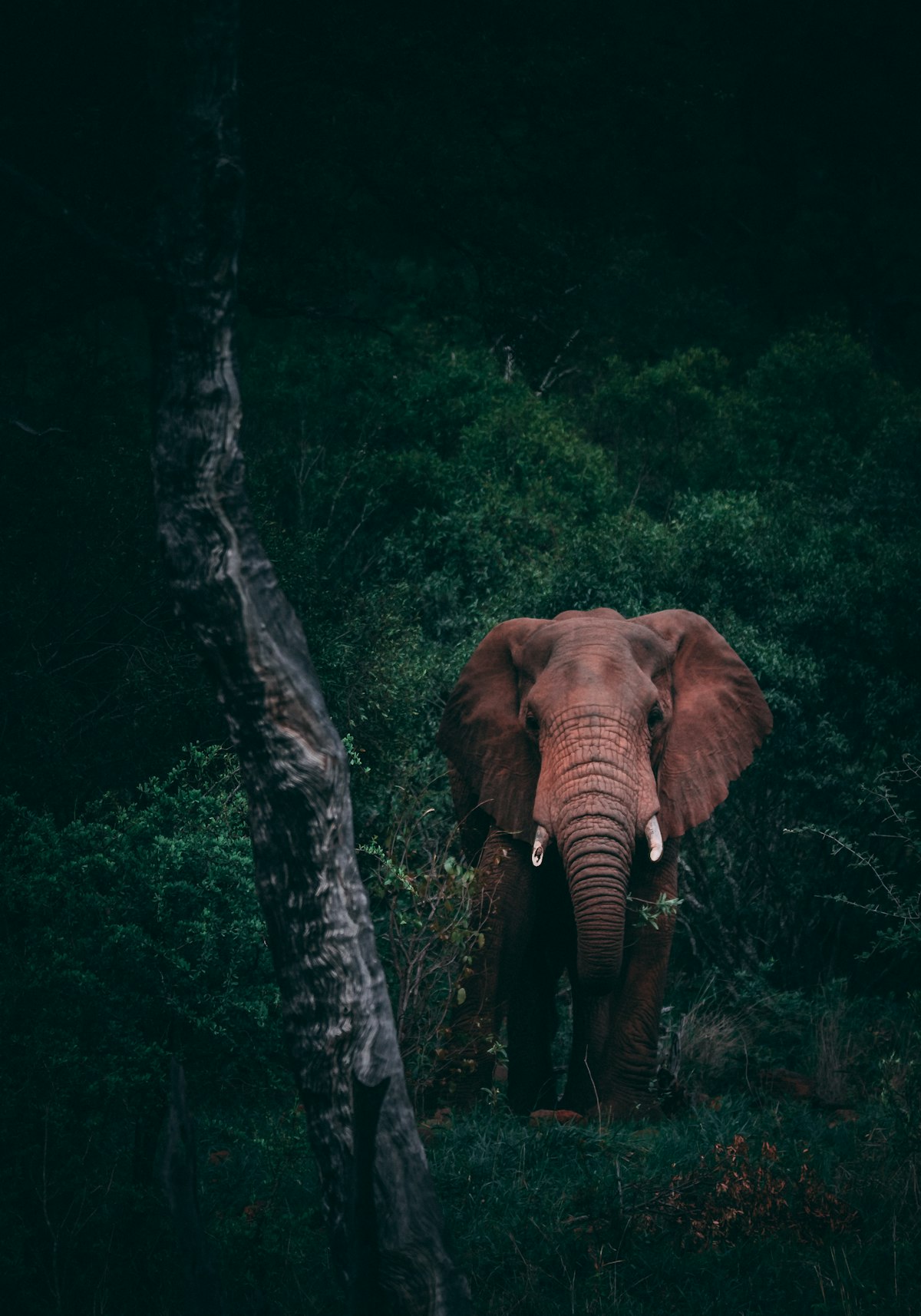
Nepal’s Terai lowlands hold some of Asia’s finest wildlife: Chitwan National Park, a UNESCO World Heritage Site, protects one of the most important populations of the one-horned rhinoceros and Bengal tiger remaining anywhere in the world, along with gharial crocodile, Asian elephant, Gangetic dolphin and over 600 bird species. Bardia National Park in the far west offers a wilder and less visited alternative with excellent tiger encounter rates. Eco Holiday Asia plans Nepal wildlife safaris from Kathmandu with private jeep and canoe safari, expert naturalist guides from the local Tharu community, and a range of jungle lodge options on the park boundary.
Chitwan National Park
UNESCO World Heritage Site (1984)
Chitwan (932 km²) is Nepal’s most established wildlife destination, gazetted as a national park in 1973 and inscribed as a UNESCO World Heritage Site in 1984 for its exceptional diversity of mammals, reptiles and birds. The park’s Terai ecosystem — subtropical grasslands and sal forest on the floodplains of the Rapti, Reu and Narayani rivers — is one of the last intact examples of this habitat type in South Asia.
Chitwan Wildlife
Bardia National Park
Bardia (968 km², far western Nepal) is Nepal’s largest national park and the most rewarding destination for serious wildlife enthusiasts. Fewer than 20,000 tourists per year (compared to Chitwan’s 150,000+) means wildlife is less habituated to tourist presence, leading to more natural encounters. The Karnali river through Bardia provides exceptional habitat for the Royal Bengal tiger, and the park also holds Gangetic river dolphin, swamp deer (barasingha) and wild elephant. Travel from Kathmandu takes 12 hours by road or 1 hour by air to Nepalganj (daily flights). Eco Holiday Asia can plan a combined Chitwan and Bardia tour of 7-10 days.
Recommended Itinerary (4 days, Chitwan)
Depart Kathmandu. Pass through the Prithvi Highway via Mugling and Narayangadh. Optional lunch at Mugling (famous for fresh fish from the Trisuli). Arrive Chitwan by early afternoon. Check in at lodge. Evening: Tharu cultural programme (stick dance, fire dance).
Early morning (6 am) jeep safari into the core zone — prime tiger and rhino habitat. 3-4 hours on safari. Return for breakfast. Afternoon: canoe safari on the Rapti river — gharial crocodile, mugger crocodile, smooth-coated otter, river birds. Overnight Chitwan.
Morning: 2-3 hour jungle walk with an armed naturalist guide — birds, possible rhino encounter, hornbills, peacocks. Afternoon: Sauraha Tharu village visit — traditional stilt-house architecture, Tharu cuisine and craft. Optional: elephant bathing observation at the government breeding centre. Overnight Chitwan.
Optional early morning bird walk. Return to Kathmandu (drive or flight).
Includes & Excludes
Included
- Kathmandu–Chitwan transport (drive or flight)
- All jeep safari drives with naturalist
- Canoe safari on Rapti river
- Jungle walk with park naturalist
- Tharu cultural programme
- National Park entry fee
- Jungle lodge accommodation
- Full board at lodge
Excluded
- International flights to/from Kathmandu
- Nepal visa
- Travel insurance (required)
- Tips for naturalist guide and drivers
- Personal items and drinks
- Elephant safari fee (if selected — government-run)
Best Season
October to March is the best season: vegetation is lower after the annual grass-cutting and wildlife visibility is highest. February-March combines excellent wildlife with pleasant temperatures (20-28°C). The park is fully open October-June; the core zone vehicle safari is restricted or suspended June-September during monsoon.
Responsible Wildlife Viewing
Eco Holiday Asia adheres strictly to Chitwan National Park rules: vehicles maintain minimum safe distance from all wildlife (30 m from rhino, 100 m from tigers), engines are switched off when wildlife is present, no noise, no feeding, no off-track driving. We do not book operations that harass or bait wildlife for photography. Our naturalist guides are trained in low-impact observation. The Tharu community guides who lead jungle walks have coexisted with this wildlife for centuries — their knowledge of animal behaviour is unmatched.
Frequently Asked Questions
Related Tours
Nepal Tour Packages • Trekking in Nepal • Things to Do in Nepal
Plan Your Nepal Wildlife Safari
Our Nepal specialists plan every detail — permits, transport, guides, accommodation and activities tailored to you.