
Nepal’s trekking trails see over 200,000 visitors each year, and the impact is visible — from plastic bottles lining the trail to Everest Base Camp to overloaded porters struggling up steep passes. Responsible trekking isn’t about sacrifice; it’s about making choices that let you enjoy the mountains while ensuring they’re still worth visiting in 20 years.
At Eco Holiday Asia, responsible trekking is built into how we operate. Here’s what it looks like in practice — and how you can make your Nepal trek better for the places and people you visit.
Hire Local Guides and Porters
The single most impactful choice you can make is hiring locally. A local guide and porter from the region you’re trekking through means your money stays in the community. It also means a better trek — local guides know the trails, the weather patterns, the best teahouses, and the cultural context of the places you’re walking through.
When you book through a responsible operator like Eco Holiday Asia, your guide and porters are from the trekking region itself — Sherpa guides in the Khumbu, Tamang guides on the Heritage Trail, Gurung guides in the Annapurna. They’re paid fair wages, properly equipped, and insured.
What to check: Ask your operator where your guide is from, what they’re paid, and whether they provide insurance and proper gear for porters. If they can’t answer, that’s a red flag.
Manage Your Waste
The Himalayan trail waste problem is real but solvable. Here’s what works:
- Carry a reusable water bottle and use purification tablets or a SteriPen instead of buying plastic bottles. The Annapurna region has Safe Drinking Water stations along major routes where you can refill cheaply.
- Pack out what you pack in. Carry a small bag for your own rubbish. Don’t burn or bury plastic — it doesn’t decompose at altitude.
- Use toilets where available. If there’s no toilet, bury human waste at least 30cm deep and 60m from any water source. Carry used toilet paper in a sealed bag (or learn the water method that locals use).
- Say no to excess packaging. Remove unnecessary packaging in Kathmandu before you start trekking.
Respect Porter Welfare
Nepal’s porters are among the hardest-working people on earth. They carry loads of 25-30kg (sometimes more) up terrain that challenges unloaded trekkers. Responsible trekking means treating them as professionals, not pack animals.
- Limit your porter load to 25kg maximum per porter
- Ensure your operator provides porters with proper footwear, warm clothing, and shelter
- Never ask porters to carry loads in dangerous conditions
- If a porter becomes ill at altitude, they must descend — don’t leave them behind
- Tip fairly — porters rely on tips to supplement modest wages
Support the Local Economy
Where you spend money on trek matters. A few ways to keep more of your trek spend in the local community:
- Stay in locally-owned teahouses rather than foreign-owned lodges
- Eat local food — dal bhat is filling, cheap, and has the lowest environmental footprint of any trekking meal. It also supports local farmers.
- Buy local crafts directly from villagers, not from Thamel middlemen
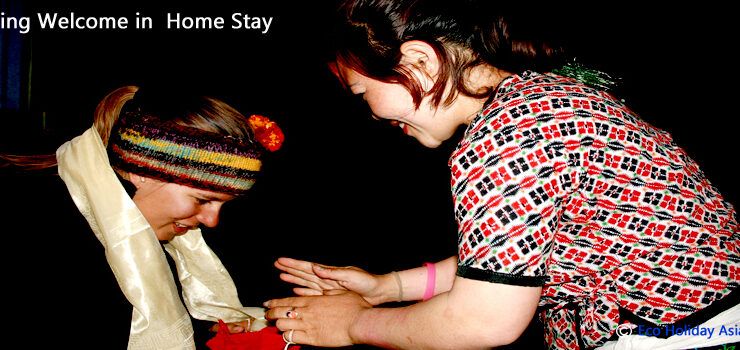
- Choose community homestays where available — your money goes directly to families
Respect Culture and Religion
Nepal’s trails pass through communities with deep religious and cultural traditions. Simple awareness goes a long way:
- Always walk clockwise around Buddhist stupas, mani walls, and prayer wheels
- Ask before photographing people, especially monks, during ceremonies
- Remove shoes before entering temples and homes
- Dress modestly — cover shoulders and knees, especially at religious sites
- Don’t give sweets or money to children — it encourages begging. Instead, donate to the village school or a local NGO
- The hearth (fireplace) is sacred in Nepali homes — never throw rubbish into it
Trek Safely
Safety is part of responsible trekking. An accident or altitude emergency affects not just you but the people who must rescue you, often at personal risk.
- Never trek alone. It’s the single biggest safety risk. A guide provides navigation, cultural interpretation, and emergency support.
- Acclimatise properly. Above 3,000m, ascend no more than 300-500m per sleeping altitude per day. Listen to your body and your guide.
- Get travel insurance that specifically covers high-altitude trekking and helicopter evacuation. Verify the altitude limit on your policy.
- Register your trek with your embassy and carry your TIMS card at all times.
- Carry a first aid kit with basics: painkillers, rehydration salts, altitude sickness medication (Diamox — consult your doctor), blister treatment, antiseptic, and sun protection.
Choose a Responsible Operator
The easiest way to trek responsibly is to choose an operator who does it by default. Look for:
- Local ownership and local guides (not a foreign company subcontracting)
- Fair porter wages and welfare policies
- Community tourism partnerships (homestays, local suppliers)
- Waste management practices on trek
- Transparent pricing — where does your money go?
Eco Holiday Asia is a Nepal-owned company that has operated community-based treks since our founding. Every trek we run uses local guides, supports community homestays where available, and follows responsible trekking practices. Contact us to plan a trek that’s good for you and good for Nepal.