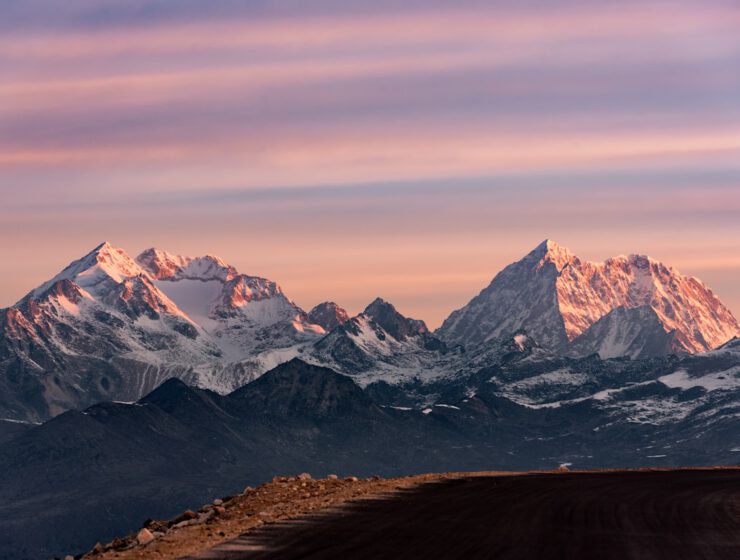
Makalu (8,485m) is the fifth-highest mountain in the world, and its base camp trek is one of Nepal’s great wilderness experiences. Unlike the Everest and Annapurna regions, the Makalu trail sees only a handful of trekkers each season — you’ll walk through pristine forests, remote Rai and Sherpa villages, and landscapes that feel genuinely untouched.
This is not a teahouse trek. The Makalu Base Camp route requires camping for several nights, crossing high passes, and navigating trails that are rough and sometimes faint. It rewards the effort with solitude, extraordinary biodiversity, and close-up views of one of the most dramatic mountains in the Himalayas.
Route Overview
The standard route starts from Tumlingtar (accessible by flight from Kathmandu) and follows the Arun Valley north before climbing into the Makalu-Barun National Park. The trail passes through subtropical forest, bamboo groves, rhododendron woodland, and alpine meadows before reaching Makalu Base Camp at 4,870m.
Most itineraries are 18-22 days including travel days. The trek can be extended to cross the Sherpani Col and West Col to reach the Everest region — one of the most challenging and spectacular high-altitude traverses in Nepal.
Key Facts
| Duration | 18-22 days |
| Max Altitude | 4,870m (Base Camp) / 5,250m (viewpoint) |
| Difficulty | Hard — remote, camping required, rough trails |
| Best Season | October-November, March-May |
| Permits | Makalu-Barun NP entry, restricted area permit |
| Accommodation | Teahouse (lower), camping (upper) |
| Start/End | Tumlingtar (flight from Kathmandu) |
What Makes Makalu Special
True Wilderness
The Makalu-Barun National Park and Conservation Area protects one of the most biodiverse regions in the Himalayas. The trek passes through eight vegetation zones — from tropical sal forest at 400m to permanent ice above 5,000m. You’ll walk through some of the last pristine cloud forests in the eastern Himalayas.
Solitude
While Everest Base Camp sees 50,000+ trekkers annually, Makalu receives perhaps 500. On most days, you won’t see another trekking group. The villages along the route are small Rai and Sherpa settlements that live primarily from farming, not tourism.
Mountain Views
The views from Makalu Base Camp are extraordinary. Makalu’s massive south face dominates the skyline — a near-vertical wall of rock and ice that rises over 3,000m above you. Everest, Lhotse, Baruntse, and Chamlang are all visible from the upper sections of the trek.
Cultural Encounters
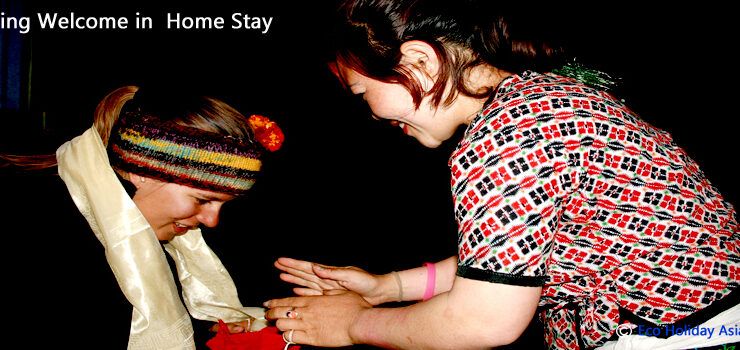
The lower Arun Valley is home to Rai communities with their own distinct language, animist traditions, and legendary hospitality. Higher up, Sherpa villages like Tashigaon maintain traditional Buddhist practices far from the commercialised Khumbu.
The Challenge
Makalu is not a trek for beginners. Here’s what makes it demanding:
- Remote location: Once you leave the Arun Valley, evacuation options are limited. Helicopter rescue is possible but may take hours to arrange.
- Camping required: Above Tashigaon, there are no teahouses. You need a full camping setup — tents, cooking equipment, food supplies.
- Rough trails: The path is steep, sometimes poorly marked, and includes river crossings, boulder fields, and potentially snow-covered sections.
- Weather: The Makalu region receives more precipitation than Everest. Clouds build quickly in the afternoon, and conditions can change fast.
- Duration: At 18-22 days, this is a long commitment. You need sustained fitness, not just a burst.
When to Go
Autumn (October-November): The classic season. Stable weather, clear views, cold nights at altitude. The best window is mid-October to mid-November.
Spring (March-May): Warmer at lower elevations, rhododendrons in bloom, but more cloud cover and potential for late-season snow at the base camp. April is often the best spring month.
How Eco Holiday Asia Runs This Trek
We operate the Makalu Base Camp trek with a full support team: an experienced local guide from eastern Nepal, a cook, porters, and all camping equipment. We handle all permits, flights, and logistics. Our guides know the Makalu region intimately — many grew up in the Arun Valley villages along the route.
This trek is arranged as a private departure — we don’t run scheduled group departures for Makalu, because the logistics require careful planning for each group. Contact us to discuss dates, fitness requirements, and a custom itinerary.