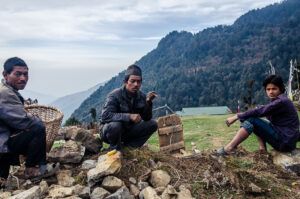
Raute Nomads Trail Overview
The Raute are Nepal's last truly nomadic people — a community of fewer than 700 individuals who live entirely in the forests of western Nepal, moving their camps every few weeks, hunting with nets, and carving wooden bowls to trade with settled villagers. They have no permanent homes, refuse modern education, and maintain a way of life that predates recorded history.
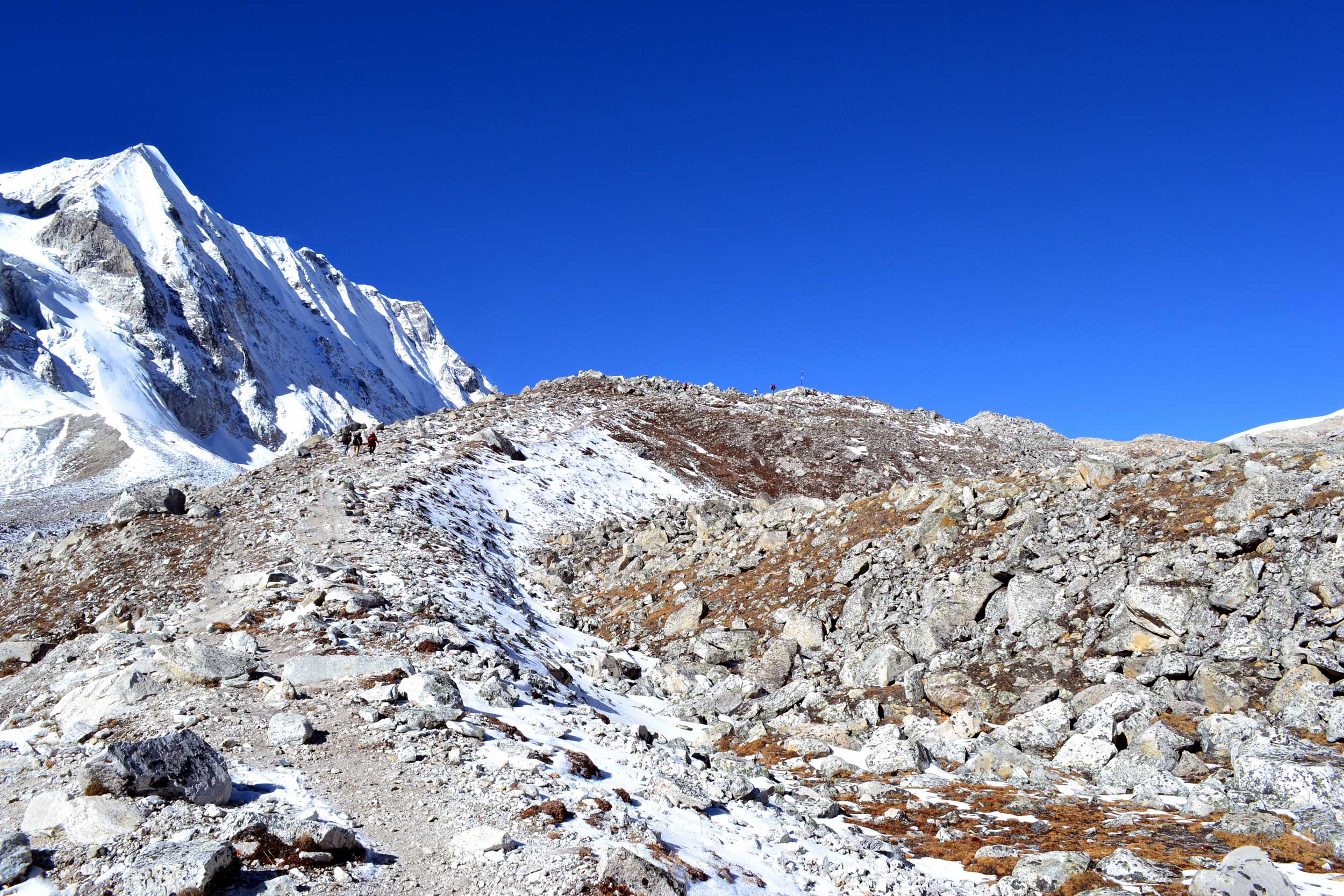
This extraordinary trek through western Nepal follows the migration corridors of the Raute people through remote hills and forests of Dailekh, Surkhet, and surrounding districts. While encountering the Raute themselves depends on timing and their willingness to receive visitors, the trek itself takes you through some of the least-visited landscapes in Nepal — a region of deep valleys, traditional hill villages, and forest-covered ridges that few outsiders ever see.
Eco Holiday Asia coordinates with local community contacts who maintain respectful relationships with the Raute. This is a culturally sensitive trek — we prioritise the Raute's autonomy and dignity above all else.
Quick Facts
| Duration: 14 days |
Max Altitude: ~2,500m |
| Difficulty: Moderate to Hard |
Best Season: Oct–Apr |
| Region: Western Nepal (Dailekh/Surkhet) |
Accommodation: Camping & village stays |
| Guide: Local guide with Raute contacts |
Group Size: Min 2 persons |
Trek Highlights
- Opportunity to learn about the Raute, Nepal's last nomadic forest-dwelling people
- Trek through western Nepal's remote and unvisited hill country
- Encounter diverse ethnic communities — Chhetri, Magar, Tharu, and Dalit villages
- Walk through pristine community forests and along ancient trade routes
- Experience rural Nepal far from the tourist trail — genuine, unscripted encounters
- Camp in forest clearings and stay with village families
- Learn about traditional woodcarving, forest foraging, and nomadic survival skills
- Contribute to community conservation and cultural preservation efforts
Itinerary Overview
This trek's route varies based on the current location of Raute camps and seasonal conditions. A typical 14-day itinerary includes:
Days 1-2: Kathmandu to Western Nepal
Fly to Nepalgunj and drive to the trailhead in Surkhet or Dailekh district. Meet your local guide team and prepare for the trek.
Days 3-10: Trekking Through Western Hills
8 days of trekking through remote western Nepal. The route follows forest trails and village paths through deeply rural terrain. Accommodation alternates between camping in forest clearings and village homestays. If Raute camps are accessible and the community is willing, your guide will facilitate a respectful visit.
Days 11-12: Return to Road Head
Trek back to the nearest road head. Drive to Nepalgunj.
Days 13-14: Return to Kathmandu
Fly Nepalgunj to Kathmandu. Trip ends.
What's Included
- All domestic flights (Kathmandu–Nepalgunj–Kathmandu)
- All ground transportation in western Nepal
- Experienced local guide with knowledge of the region and Raute contacts
- Porter/cook team and all camping equipment
- All meals throughout the trek
- Village homestay and camping fees
- All permits
What's Not Included
- International flights and Nepal visa
- Hotel accommodation in Kathmandu
- Travel insurance (required)
- Personal gear and expenses
- Tips for crew
Important Notes
Encountering the Raute is not guaranteed. The Raute are nomadic and move frequently. They also have the right to refuse visitors. This trek is designed as a western Nepal wilderness experience with the Raute encounter as a possibility, not a promise. We do not treat the Raute as a tourist attraction — any interaction must be on their terms.
Community Impact
A portion of trek fees supports community organisations working with the Raute on their own terms — providing medical assistance when requested while respecting their choice to live outside the settled world. Your trek also brings income to remote western Nepal villages that receive almost no tourism.
Frequently Asked Questions
Will I definitely meet the Raute?
Not guaranteed. Our guide maintains contact with intermediaries who know the Raute's approximate location, but their movements are unpredictable. Even if we locate a camp, the Raute may decline visitors. The trek itself is a remarkable experience regardless.
Is this trek difficult?
Moderate to hard. The terrain in western Nepal is rugged with steep ascents and descents. Trails are rough and unmarked in places. You should be fit and comfortable with camping. Maximum altitude is around 2,500m, so altitude sickness is not a concern.
How many Raute are there?
Fewer than 700 people in several groups. They speak the Kham language, hunt monkeys and langurs with nets, carve wooden vessels (madani) to trade for grain, and move their leaf-and-branch shelters every few weeks.
Interested in the Raute Nomads Trail?
This is a custom trek requiring advance planning. Contact us to discuss dates and feasibility.
Contact Us WhatsApp Us