A traditional homestay in a Nepali village is the most authentic way to experience the country beyond its trekking trails and temple courtyards. You sleep in a local family’s home, share home-cooked meals, join in daily life — farming, cooking, festivals — and leave with friendships and an understanding of Nepal that no hotel can offer. It is also one of the most direct ways your travel money supports rural communities.
What a Village Homestay Is Really Like
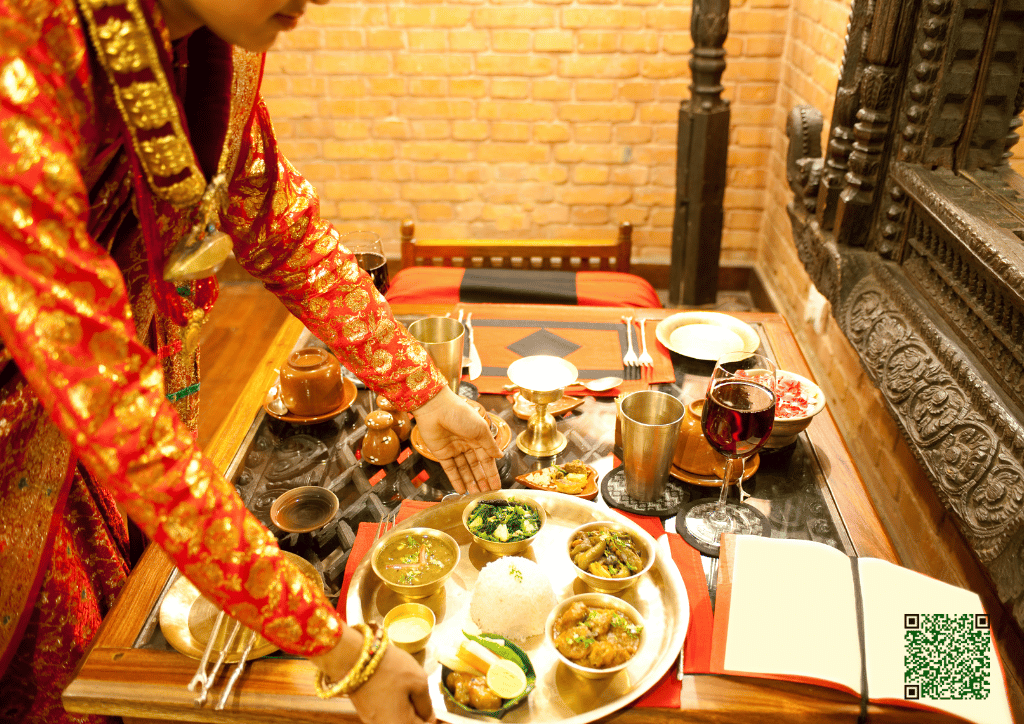
Homestay families offer a clean private or shared room, hearty dal bhat and seasonal local dishes, and a warm welcome into their routines. Mornings might mean helping milk a buffalo or harvesting vegetables; evenings often bring singing, a cultural dance, or simply tea and conversation under the stars. Facilities are simple but comfortable — this is rural Nepal, not a resort, and that is exactly the point.
Where to Stay — Nepal’s Best Homestay Villages
- Panauti: a beautifully preserved Newari town an hour from Kathmandu, with an award-winning community homestay network.
- Sirubari: a pioneering Gurung village in the western hills, one of Nepal’s first organised homestays.
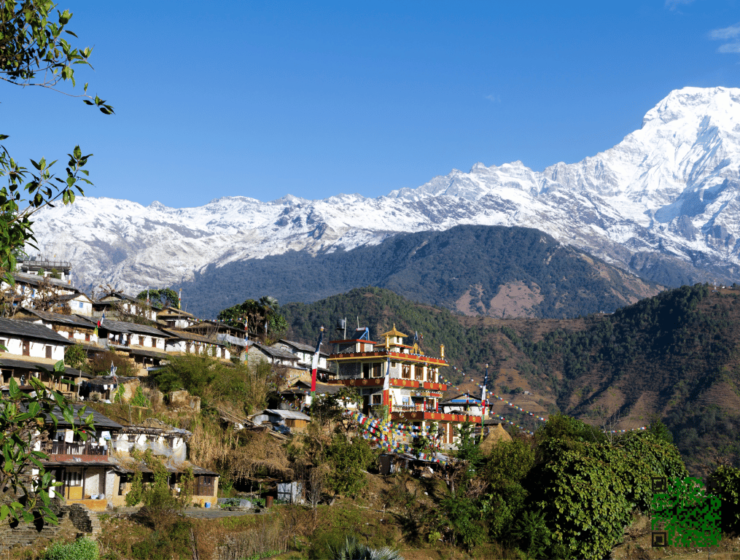
- Ghale Gaun: a hilltop Gurung village with Annapurna and Lamjung Himal views.
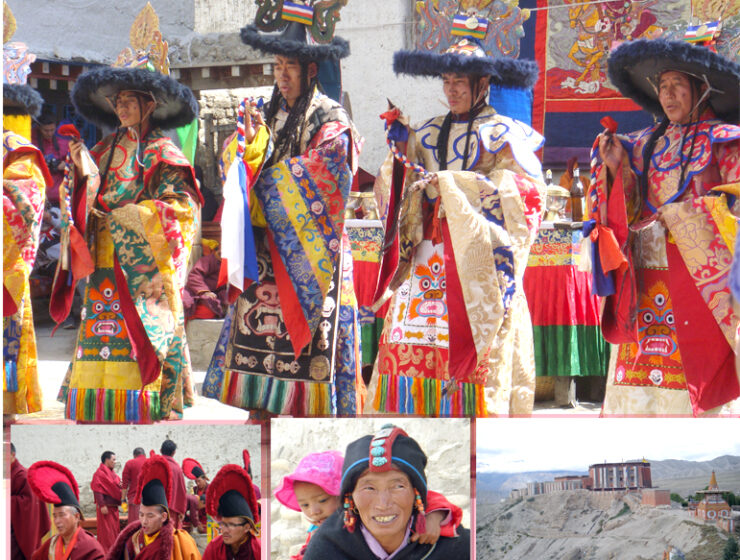
- Briddim & the Tamang Heritage Trail: Tibetan-influenced Tamang villages near Langtang.
- Kumroj (Chitwan): a Tharu village beside Chitwan National Park, pairing wildlife with culture.
Why Choose a Homestay
Beyond the cultural immersion, homestays are a cornerstone of responsible travel in Nepal. Your stay funds schools, trails, and conservation, keeps young people employed in their own villages, and helps preserve traditions, crafts, and dialects. For travellers, it’s the difference between seeing Nepal and belonging to it for a few days.
Frequently Asked Questions
Are village homestays comfortable?
They are simple but clean and comfortable — expect a private or shared room, bedding, and home-cooked meals. Hot showers and Western toilets are available in many but not all homes; we match you to the right village for your comfort level.
How much of my payment reaches the family?
Through registered community homestay networks, the large majority goes directly to the host family and a shared village fund. This is one of the most direct forms of responsible tourism in Nepal.
Do hosts speak English?
Basic English is common, and our guide accompanies you to translate and bridge culture. It is part of what makes the experience relaxed and genuine.
Can homestays be combined with trekking?
Yes — many of the best homestays sit on or near trekking routes (Tamang Heritage Trail, Annapurna foothills), so you can combine village life with Himalayan walking.
Experience a Nepali Village Homestay
We’ll place you with a registered community homestay family, with a guide to bridge language and culture, so your visit is authentic, comfortable, and a direct benefit to the village.