Eco Holiday Asia

Tsum Valley Trek

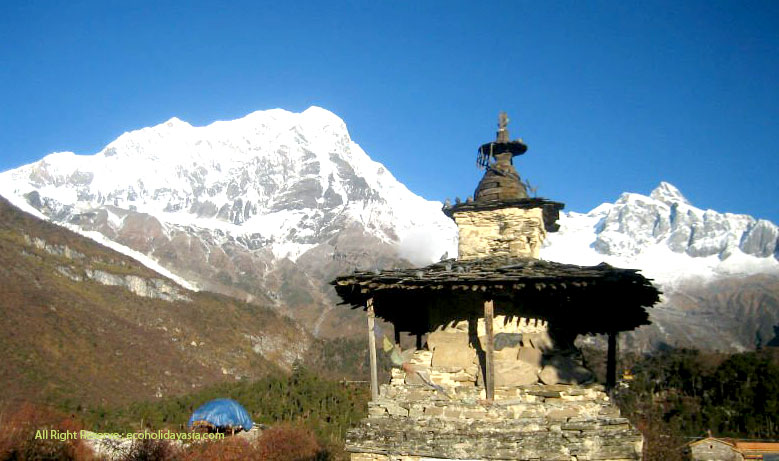
The Tsum Valley Trek enters one of Nepal’s most sacred and least-visited regions — a hidden Buddhist beyul (sacred valley) in the Manaslu region that was closed to outsiders until 2008. The Tsumba people are ethnically Tibetan and have maintained their Buddhist traditions, architecture, and way of life with remarkable integrity. Monasteries here — Mu Gompa, Rachen Gompa, Milarepa’s Cave — are not tourist attractions; they are active centres of spiritual practice.

The valley is U-shaped, carved by glaciers, and surrounded by peaks above 7,000m. You walk along the Budhi Gandaki and Siyar Khola rivers through deep gorges before the valley opens into broad alpine meadows scattered with mani walls, prayer flags, and whitewashed chortens. This trek is for those who value cultural depth over mountain heroics — though the scenery is extraordinary in its own right.

Community Impact

Tsum Valley receives very few visitors. Your trek supports Tsumba families who are just beginning to develop tourism livelihoods. Lodge fees, guide wages, and porter employment provide income to communities that have few other economic options in this remote region.

Permits

Restricted area permit required (fees vary by season). Manaslu Conservation Area Permit also required. Must trek with a registered agency. Restricted area permit rules and fees may change. Eco Holiday Asia verifies the latest requirements with the Department of Immigration before confirming your trek.

Frequently Asked Questions

How remote is Tsum Valley?

Very remote. There are no roads, limited phone coverage, and basic lodge accommodation. This is genuine off-grid trekking. We carry emergency communication equipment and our guides know the terrain intimately.

Can I combine Tsum Valley with the Manaslu Circuit?

Yes. The two routes share the Budhi Gandaki approach. A combined Manaslu-Tsum trek takes 20-24 days and is one of the most comprehensive trekking experiences in Nepal.

Explore More

Related experiences:

Plan your Nepal trip: Trekking in Nepal | Best Places to Visit | Restricted Area Trekking

Ready to book? Contact Eco Holiday Asia or message us on WhatsApp. We reply within 24 hours.
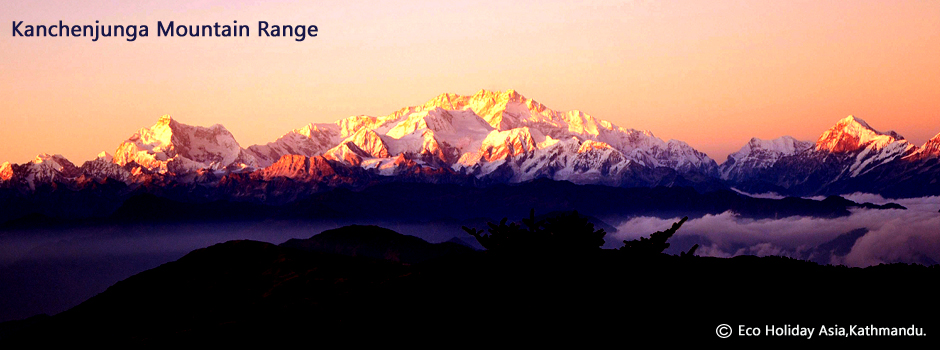
Kanchenjunga Base Camp Trek

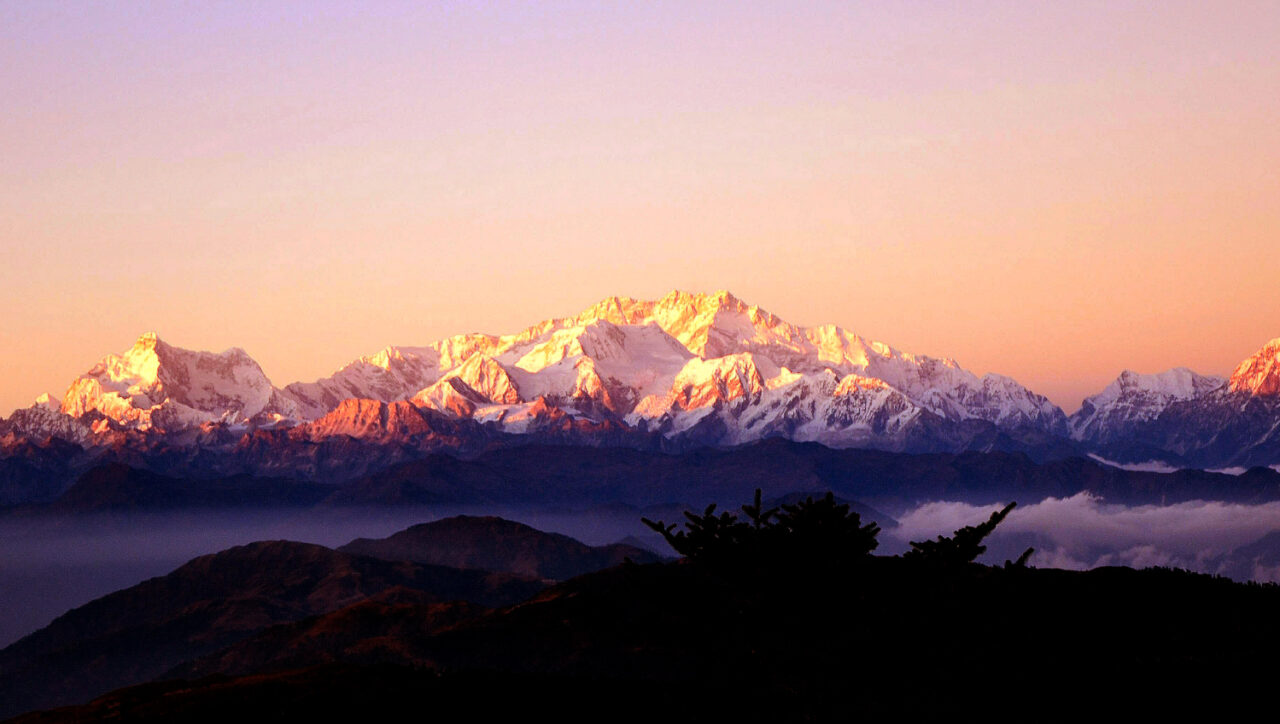
The Kanchenjunga Base Camp Trek reaches the foot of the world’s third highest mountain (8,586m) in the far northeast corner of Nepal. This is among the most remote trekking routes in the country — a three-week journey through subtropical forests, Limbu and Rai villages, rhododendron-covered ridges, and high glacial valleys where you may not see another foreign trekker for days. The isolation is what makes it extraordinary.

The trek visits both the north base camp (Pangpema, 5,143m) and the south base camp (Oktang, 4,730m), offering dramatically different perspectives of Kanchenjunga’s massive south and north faces. Along the way, you pass through the Kanchenjunga Conservation Area, home to red pandas, snow leopards, and Himalayan black bears — though sightings require patience and luck.

Community Impact

Eastern Nepal receives far fewer tourists than the Annapurna or Everest regions. Your trek brings income to Limbu, Rai, and Sherpa communities that have few alternative livelihoods in this remote region. Guides, porters, and lodge operators depend on the small number of trekkers who make the journey each year.

Permits

Restricted area permit and Kanchenjunga Conservation Area Permit required. Must trek with a registered agency. Restricted area permit rules and fees may change. Eco Holiday Asia verifies the latest requirements before confirming your trek.

Frequently Asked Questions

How hard is the Kanchenjunga Trek?

Challenging. Long days (6-8 hours), high altitude (max 5,143m), remote terrain, and basic accommodation. Prior high-altitude trekking experience is strongly recommended.

Is there teahouse accommodation?

Basic teahouses exist on most of the route, though facilities are much simpler than on Annapurna or Everest trails. We carry supplementary food supplies for higher camps.

Explore More

Related experiences:

Plan your Nepal trip: Trekking in Nepal | Best Places to Visit | Restricted Area Trekking

Ready to book? Contact Eco Holiday Asia or message us on WhatsApp. We reply within 24 hours.
Makalu Base Camp Trek

The Makalu Base Camp Trek reaches the foot of the world’s fifth highest mountain (8,485m) through the pristine Makalu Barun National Park — the only national park in Nepal that remains completely free of permanent human settlement above 4,000m. The biodiversity is extraordinary: you walk from subtropical forests with orchids and ferns through temperate rhododendron zones to barren alpine moraines below Makalu’s massive south face.

This is eastern Nepal at its most remote and authentic. The trail passes through Rai and Sherpa villages along the Arun Valley, crosses high passes with views of Everest, Lhotse, and Makalu together, and reaches a base camp that sees perhaps a few hundred visitors per year — compared to the thousands at Everest and Annapurna.

Community Impact

The Makalu region receives far fewer trekkers than the popular routes. Your visit supports Rai and Sherpa families in the Arun Valley and employs local porters who depend on the trekking season for income. The national park fees contribute to conservation of this exceptional ecosystem.

Frequently Asked Questions

How difficult is the Makalu Base Camp Trek?

Challenging. Maximum altitude 5,050m (base camp), multiple passes, 6-8 hours walking per day, and limited facilities. Prior high-altitude experience recommended.

Is this a camping or teahouse trek?

Mixed. Basic teahouses available in lower villages. Camping required above Langmale and at base camp. We provide full camping support for higher sections.

Explore More

Related experiences:

Plan your Nepal trip: Trekking in Nepal | Best Places to Visit

Ready to book? Contact Eco Holiday Asia or message us on WhatsApp. We reply within 24 hours.

Lumba Sumba Trek

The Lumba Sumba Trek is one of Nepal’s great traverse routes — crossing the Lumba Sumba Pass (5,160m) to link the Kanchenjunga and Makalu regions in a single east-to-west journey through some of the most remote and least-visited terrain in the country. From the pass, you see Kanchenjunga, Makalu, and Everest together — three of the world’s five highest mountains visible in one sweeping panorama.

The route passes through Rai and Limbu villages in valleys where foreign trekkers are a genuine rarity. You walk through subtropical forests thick with orchids and ferns, cross alpine meadows grazed by yaks, and camp at high pastures where the silence is absolute. This is eastern Nepal at its most wild, beautiful, and authentic.

Community Impact

The Lumba Sumba route passes through some of the most economically marginalized communities in Nepal. Your trek provides employment and income to families and porters in villages that have almost no other connection to the cash economy.

Permits

Restricted area permit required for portions of the route. Must trek with a registered agency. Permit rules and fees may change. Eco Holiday Asia verifies the latest requirements before confirming your trek.

Explore More

Related experiences:

Plan your Nepal trip: Trekking in Nepal | Best Places to Visit | Restricted Area Trekking

Ready to book? Contact Eco Holiday Asia or message us on WhatsApp. We reply within 24 hours.

Arun Valley Trek

The Arun Valley Trek follows one of Nepal’s great rivers through a warm, subtropical valley in the far east of the country — a region that most trekkers never reach. The Arun River cuts through the Himalayan range from Tibet, creating a deep valley with extraordinary biodiversity, from tropical lowland forests to alpine meadows in the space of a few days’ walk.

The trail passes through villages of the Rai, Limbu, and Sherpa communities — the indigenous peoples of eastern Nepal, each with distinct languages, customs, and traditions that differ markedly from the better-known cultures of the Annapurna and Everest regions. This is a low-altitude, culturally rich trek that works well in winter and serves as a standalone experience or as an approach route for the Makalu Base Camp trek.

Community Impact

Eastern Nepal’s Arun Valley receives very few tourists. Your trek supports Rai and Limbu families who offer homestay accommodation and guide services. Village visits and meals at local homes provide direct economic benefit to communities that are navigating the changes brought by hydropower development in the valley.

Frequently Asked Questions

Is this a low-altitude trek?

Mostly. The Arun Valley floor ranges from 500m to 2,500m. Optional viewpoint hikes reach higher. This makes it one of the few Nepal treks comfortable in winter months (December-February).

Explore More

Related experiences:

Plan your Nepal trip: Trekking in Nepal | Best Places to Visit

Ready to book? Contact Eco Holiday Asia or message us on WhatsApp. We reply within 24 hours.

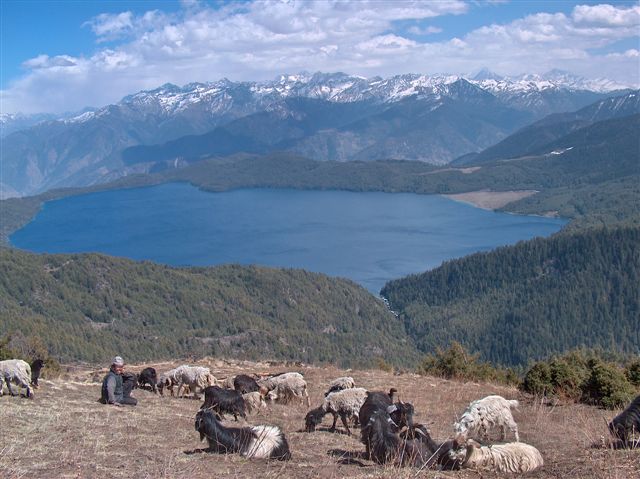
Rara Lake Trek

Rara Lake is the largest and deepest lake in Nepal — a pristine body of water at 2,990m surrounded by dense forests of blue pine, spruce, and juniper in the remote far-western region. The lake changes colour throughout the day, from emerald green in the morning to deep sapphire blue by afternoon, and sits within Rara National Park, Nepal’s smallest national park and one of its most untouched.

Getting to Rara requires effort — flights to Jumla and several days of trekking through valleys and over ridgelines that few foreign visitors ever see. That remoteness is the point. Far-western Nepal has a distinct culture (Khas, Thakuri communities), different food traditions, and a pace of life that has changed little over centuries. This is Nepal without the trekking-industry infrastructure — genuine, raw, and deeply rewarding for those who make the journey.

Community Impact

Far-western Nepal is the least-visited region in the country, and local communities have few tourism-related income sources. Your trek brings economic opportunity to villages around Jumla and Rara, supporting families who operate basic lodges and serve as guides in a region where every visitor makes a meaningful difference.

Frequently Asked Questions

How do I get to Rara Lake?

Fly Kathmandu to Nepalgunj, then Nepalgunj to Jumla. From Jumla, it is a 3-4 day trek to the lake. We arrange all flights and logistics.

What accommodation is available?

Basic lodges and camping. This is remote trekking — facilities are simple. We bring supplementary supplies and our team ensures your comfort and safety.

Explore More

Related experiences:

Plan your Nepal trip: Trekking in Nepal | Best Places to Visit

Ready to book? Contact Eco Holiday Asia or message us on WhatsApp. We reply within 24 hours.

Api Base Camp Trek

The Api Base Camp Trek takes you to the foot of Api (7,132m), the highest mountain in far-western Nepal and one of the most remote trekking destinations in the country. The Api Nampa Conservation Area sits on Nepal’s western border with India, in a region so rarely visited that the trails are maintained more by local herders than by trekking agencies.

The route passes through villages of the Byansi and Chaudanshi communities — indigenous peoples of far-western Nepal with cultural traditions, languages, and customs distinct from the rest of the country. You walk through dense temperate forests of oak, pine, and rhododendron, with excellent chances of seeing Himalayan wildlife including musk deer and pheasants.

Community Impact

Far-western Nepal is the least-visited and most economically underserved region in the country. Your trek provides employment and income to communities that have almost no tourism revenue. Every visitor to this region makes a measurable difference to local livelihoods.

Permits

Restricted area permit and Api Nampa Conservation Area entry fee required. Permit rules and fees may change. Eco Holiday Asia verifies the latest requirements before confirming your trek.

Frequently Asked Questions

How do I get to the trailhead?

Fly to Dhangadhi in the western Terai, then drive to Darchula. The approach itself is part of the adventure — crossing rivers, passing through market towns, and entering the remote Mahakali valley.

Explore More

Related experiences:

Plan your Nepal trip: Trekking in Nepal | Best Places to Visit | Restricted Area Trekking

Ready to book? Contact Eco Holiday Asia or message us on WhatsApp. We reply within 24 hours.
Khaptad National Park Trek

The Khaptad National Park Trek explores one of Nepal’s most unusual and least-visited protected areas — a high-altitude grassland plateau at around 3,000m in the far west of the country. Unlike the dramatic peaks of the Everest or Annapurna regions, Khaptad’s beauty lies in its rolling meadows, dense temperate forests, and the spiritual atmosphere created by centuries of pilgrimage to the ashram of Khaptad Baba, a Hindu sage who lived here for decades.

The park is home to a rich diversity of medicinal plants, and the surrounding forests shelter leopards, Himalayan black bears, musk deer, and numerous bird species. The Doteli-speaking communities around the park have cultural traditions quite different from the rest of Nepal, giving this trek a cultural dimension that few other national park visits can match.

Community Impact

Khaptad receives very few visitors. Your trek supports local guides, lodge operators, and park management in one of Nepal’s most neglected regions. Tourism income is a vital supplement to subsistence farming in the communities surrounding the park.

Frequently Asked Questions

Is Khaptad difficult?

Moderate. The plateau is around 3,000m with gentle terrain. The approach involves some steep sections. Walking 4-6 hours per day. Suitable for moderately fit trekkers.

Explore More

Related experiences:

Plan your Nepal trip: Trekking in Nepal | Best Places to Visit

Ready to book? Contact Eco Holiday Asia or message us on WhatsApp. We reply within 24 hours.
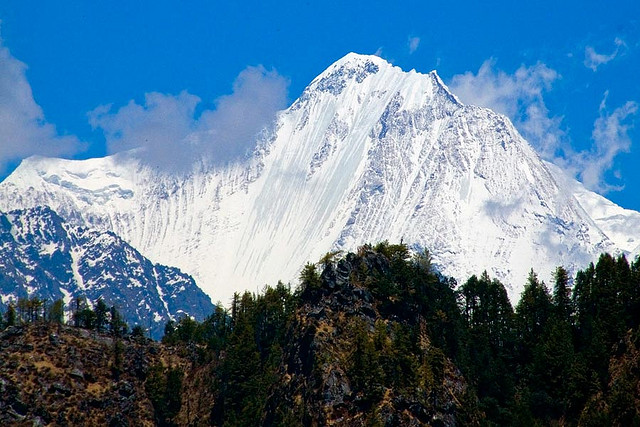
Badimalika Trek

The Badimalika Trek combines Hindu pilgrimage with mountain trekking in one of Nepal’s most remote and least-visited regions. Badimalika Temple sits at 4,200m in the hills of Bajura district, one of the four Bhagwati temples of Nepal and a site of deep spiritual significance. The trek to the temple passes through pristine forests, alpine meadows, and villages of the Doteli and Bajhangi communities who maintain the traditions of far-western Nepal.

This is pilgrimage trekking at its most authentic — the devotees who make this journey are local families from the surrounding districts, and joining them on the trail is a window into the spiritual life of rural Nepal. The western Himalayan range, including Api and Saipal, forms the backdrop to a trek that is both physically rewarding and spiritually meaningful.

Community Impact

Far-western Nepal receives almost no tourism. Your trek provides income to communities in the Bajura and Bajhang districts — among the poorest and most isolated in the country. Every visitor to this region makes a meaningful economic contribution.

Explore More

Related experiences:

Plan your Nepal trip: Trekking in Nepal | Best Places to Visit

Ready to book? Contact Eco Holiday Asia or message us on WhatsApp. We reply within 24 hours.
Saipal Base Camp Trek

The Saipal Base Camp Trek is one of the last true frontier treks in Nepal — an 18-day expedition to the base of Saipal (7,031m), the highest peak in far-western Nepal, in a region that sees fewer than 20 foreign visitors per year. There are no teahouses, no established trails above the tree line, and no tourism infrastructure of any kind. This is trekking as exploration — you go because the mountain is there and almost nobody has been.

The route approaches through river valleys and dense forests, passing through villages of the Byansi, Raji, and occasionally the semi-nomadic Raute people — the last truly nomadic tribe in Nepal. High pastures and glacial terrain lead to the base camp below Saipal’s dramatic west face. The western Himalayan frontier, with views toward India and Tibet, creates a landscape unlike any other trekking region in Nepal.

Community Impact

Your trek provides some of the only tourism income these remote communities receive. Porters and camp staff are hired locally, providing essential employment in one of Nepal’s most economically isolated regions.

Permits

Restricted area permit required. Full camping support mandatory. Permit rules and fees may change. Eco Holiday Asia verifies the latest requirements before confirming your trek.

Explore More

Related experiences:

Plan your Nepal trip: Trekking in Nepal | Best Places to Visit | Restricted Area Trekking

Ready to book? Contact Eco Holiday Asia or message us on WhatsApp. We reply within 24 hours.