Eco Holiday Asia

Dolpo Shey Gompa Trek via Rara Lake - Eco Holiday Asia

Rara Lake Trek

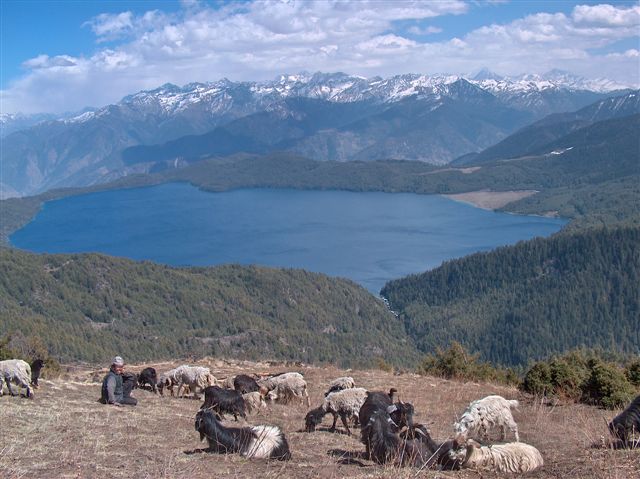
Rara Lake is the largest and deepest lake in Nepal — a pristine body of water at 2,990m surrounded by dense forests of blue pine, spruce, and juniper in the remote far-western region. The lake changes colour throughout the day, from emerald green in the morning to deep sapphire blue by afternoon, and sits within Rara National Park, Nepal’s smallest national park and one of its most untouched.

Getting to Rara requires effort — flights to Jumla and several days of trekking through valleys and over ridgelines that few foreign visitors ever see. That remoteness is the point. Far-western Nepal has a distinct culture (Khas, Thakuri communities), different food traditions, and a pace of life that has changed little over centuries. This is Nepal without the trekking-industry infrastructure — genuine, raw, and deeply rewarding for those who make the journey.

Community Impact

Far-western Nepal is the least-visited region in the country, and local communities have few tourism-related income sources. Your trek brings economic opportunity to villages around Jumla and Rara, supporting families who operate basic lodges and serve as guides in a region where every visitor makes a meaningful difference.

Frequently Asked Questions

How do I get to Rara Lake?

Fly Kathmandu to Nepalgunj, then Nepalgunj to Jumla. From Jumla, it is a 3-4 day trek to the lake. We arrange all flights and logistics.

What accommodation is available?

Basic lodges and camping. This is remote trekking — facilities are simple. We bring supplementary supplies and our team ensures your comfort and safety.

Explore More

Related experiences:

Plan your Nepal trip: Trekking in Nepal | Best Places to Visit

Ready to book? Contact Eco Holiday Asia or message us on WhatsApp. We reply within 24 hours.
Api Saipal Trek- Eco Holiday Asia

Khaptad National Park Trek

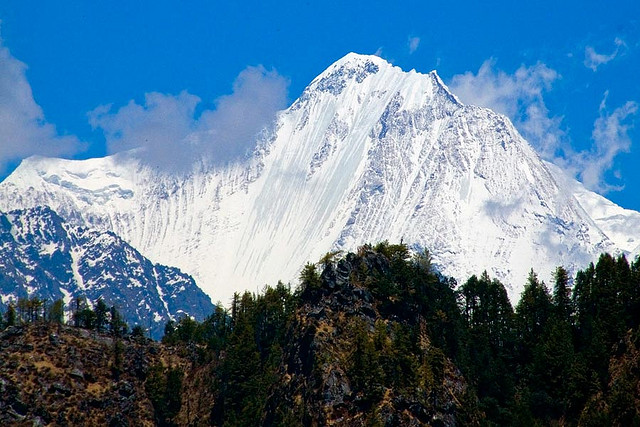
The Khaptad National Park Trek explores one of Nepal’s most unusual and least-visited protected areas — a high-altitude grassland plateau at around 3,000m in the far west of the country. Unlike the dramatic peaks of the Everest or Annapurna regions, Khaptad’s beauty lies in its rolling meadows, dense temperate forests, and the spiritual atmosphere created by centuries of pilgrimage to the ashram of Khaptad Baba, a Hindu sage who lived here for decades.

The park is home to a rich diversity of medicinal plants, and the surrounding forests shelter leopards, Himalayan black bears, musk deer, and numerous bird species. The Doteli-speaking communities around the park have cultural traditions quite different from the rest of Nepal, giving this trek a cultural dimension that few other national park visits can match.

Community Impact

Khaptad receives very few visitors. Your trek supports local guides, lodge operators, and park management in one of Nepal’s most neglected regions. Tourism income is a vital supplement to subsistence farming in the communities surrounding the park.

Frequently Asked Questions

Is Khaptad difficult?

Moderate. The plateau is around 3,000m with gentle terrain. The approach involves some steep sections. Walking 4-6 hours per day. Suitable for moderately fit trekkers.

Explore More

Related experiences:

Plan your Nepal trip: Trekking in Nepal | Best Places to Visit

Ready to book? Contact Eco Holiday Asia or message us on WhatsApp. We reply within 24 hours.
Api Saipal Trek- Eco Holiday Asia

Badimalika Trek

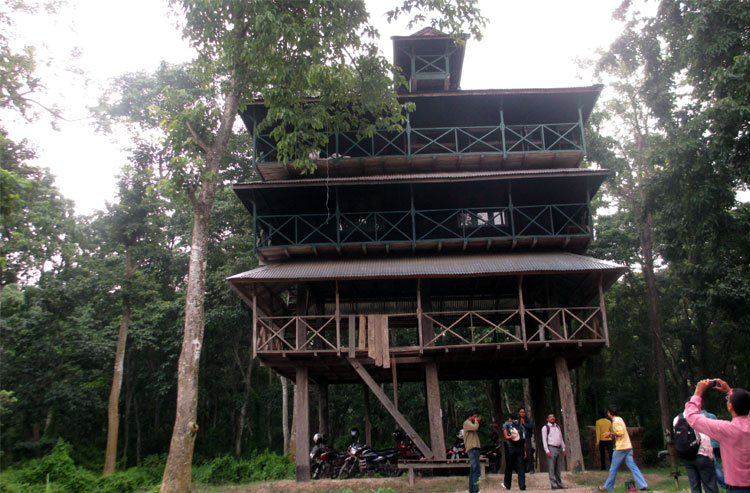
The Badimalika Trek combines Hindu pilgrimage with mountain trekking in one of Nepal’s most remote and least-visited regions. Badimalika Temple sits at 4,200m in the hills of Bajura district, one of the four Bhagwati temples of Nepal and a site of deep spiritual significance. The trek to the temple passes through pristine forests, alpine meadows, and villages of the Doteli and Bajhangi communities who maintain the traditions of far-western Nepal.

This is pilgrimage trekking at its most authentic — the devotees who make this journey are local families from the surrounding districts, and joining them on the trail is a window into the spiritual life of rural Nepal. The western Himalayan range, including Api and Saipal, forms the backdrop to a trek that is both physically rewarding and spiritually meaningful.

Community Impact

Far-western Nepal receives almost no tourism. Your trek provides income to communities in the Bajura and Bajhang districts — among the poorest and most isolated in the country. Every visitor to this region makes a meaningful economic contribution.

Explore More

Related experiences:

Plan your Nepal trip: Trekking in Nepal | Best Places to Visit

Ready to book? Contact Eco Holiday Asia or message us on WhatsApp. We reply within 24 hours.
Kumroj Village Tour - Eco Holiday Asia

Mohare Danda Community Trek

The Mohare Danda Community Trek is one of Nepal’s finest examples of community-based trekking tourism — a 6-day trek to a scenic ridge at 3,300m where the community lodge is entirely owned and operated by local villagers. From the ridge, sunrise paints Dhaulagiri, Annapurna South, and the peaks above the Kali Gandaki valley in golden light. Every rupee of your lodge fee goes to community development — not to a private operator.

The trail winds through villages of the Magar and Pun communities, passing through rhododendron forests and terraced hillsides. Unlike more commercial routes, the lodges are small, the trails are quiet, and the villagers who welcome you at each stop are the same people who built the trail and the lodges. This is community tourism at its most genuine — the kind of experience that makes you feel your visit matters.

Community Impact

Mohare Danda is a model community tourism project developed with ACAP support. All lodge profits fund village schools, health posts, and trail maintenance. Guides and lodge staff are local villagers. Your trek directly supports rural livelihoods in communities that created this trekking route themselves.

Itinerary Overview

  • Day 1: Drive Pokhara to Galeshwor, trek to Nagi village (2,320m)
  • Day 2: Trek through forest to Mohare Danda community lodge (3,300m)
  • Day 3: Sunrise from Mohare Danda, explore the ridge, cultural program
  • Day 4: Trek to Swanta village (2,200m) via forest trail
  • Day 5: Trek to Ghorepani or Poon Hill area
  • Day 6: Return to Pokhara

Frequently Asked Questions

Is this trek suitable for beginners?

Yes. Maximum altitude 3,300m, walking 4-6 hours per day on forest trails. Suitable for anyone with reasonable fitness who enjoys walking.

Can I combine Mohare Danda with Poon Hill?

Yes. The trails connect, and a combined Mohare-Poon Hill trek takes 7-9 days, visiting two of the best viewpoints in the Annapurna region.

Explore More

Related experiences:

Plan your Nepal trip: Trekking in Nepal | Best Places to Visit

Ready to book? Contact Eco Holiday Asia or message us on WhatsApp. We reply within 24 hours.
Annapurna mountain range trekking trail in Nepal

Sikles Trek

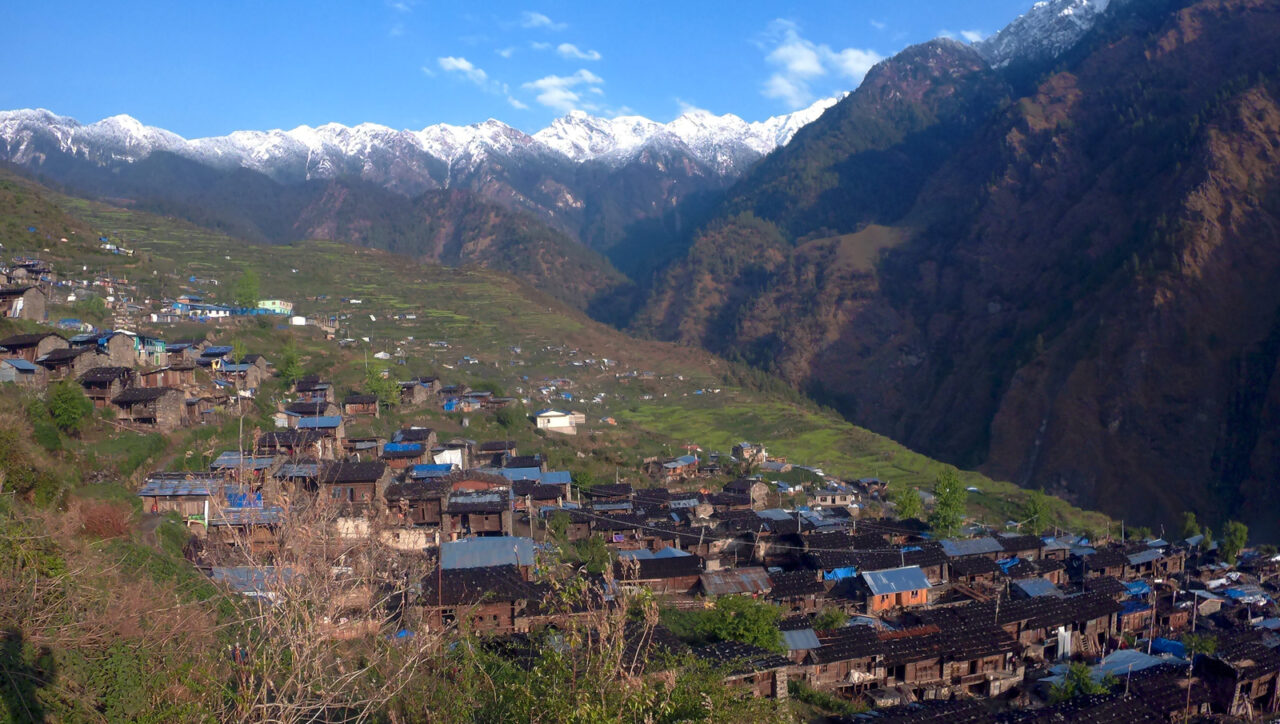
The Sikles Trek is a short, rewarding walk to one of the largest and most culturally significant Gurung villages in the Annapurna region. Sikles has been a pioneer of community-based tourism in Nepal — the village has managed its own tourism program for decades, and the Gurung families who welcome visitors do so with genuine pride in their culture and traditions.

Starting from near Pokhara, the trail passes through terraced farmland, subtropical forests, and smaller Gurung settlements before reaching Sikles, where traditional stone and slate-roofed houses are arranged in the distinctive Gurung village pattern. The mountain views are exceptional — Annapurna II, Annapurna IV, Lamjung Himal, and Machhapuchhre (Fishtail) are all visible from the village.

Community Impact

Sikles village runs its own community tourism program. Homestay fees, guide wages, and visitor contributions go directly to village families and the community development fund. Your visit supports one of Nepal’s earliest and most successful community tourism initiatives.

Itinerary Overview

  • Day 1: Drive Pokhara to Begnas Lake, trek to Kalikasthan (1,370m)
  • Day 2: Trek through forest to Sikles village (1,980m)
  • Day 3: Explore Sikles — Gurung museum, village walk, cultural program
  • Day 4: Trek back to road, drive to Pokhara
  • Day 5: Pokhara and departure

Frequently Asked Questions

Is Sikles Trek suitable for beginners?

Yes. Maximum altitude 1,980m, walking 4-5 hours per day on village trails. No altitude risk. Suitable for families with children over 8.

Explore More

Related experiences:

Plan your Nepal trip: Trekking in Nepal | Best Places to Visit

Ready to book? Contact Eco Holiday Asia or message us on WhatsApp. We reply within 24 hours.
Tamang Heritage Trail community homestay trek Langtang region Nepal

Indigenous Peoples Trail Trek

The Indigenous Peoples Trail is one of Nepal’s newest community trekking routes — developed by Gurung, Magar, and Dalit communities in the Annapurna foothills as an alternative to the crowded main trails. The route passes through villages where each community shares its distinct culture, cuisine, and traditions with visitors who stay in community homestays and village lodges.

This is a trail built by communities, for communities. The Gurung villages offer their Buddhist heritage and hospitality. The Magar settlements share their distinct cuisine and agricultural traditions. The trail itself was constructed and is maintained by the villages it connects, and every rupee spent along the way stays in the community.

Community Impact

The Indigenous Peoples Trail is a direct expression of community-based tourism. Villages designed the route, built the lodges, and manage the tourism collectively. Your trek supports a grassroots initiative that proves tourism can work for communities on their own terms.

Explore More

Related experiences:

Plan your Nepal trip: Trekking in Nepal | Best Places to Visit

Ready to book? Contact Eco Holiday Asia or message us on WhatsApp. We reply within 24 hours.
Dolpo Circuit Trek Dolpo Shey Gompa - Eco Holiday Asia

Lower Dolpo Trek

The Lower Dolpo Trek offers the extraordinary beauty of western Nepal — including the famous Phoksundo Lake — without the restricted area permits and full camping logistics of the Upper Dolpo expedition. The trail follows the Suligad and Phoksundo Khola rivers through a landscape of waterfalls, narrow gorges, and terraced hillsides before arriving at Phoksundo Lake, whose turquoise waters are among the most photographed natural sights in Nepal.

Along the way, you pass through villages of Thakuri, Magar, and Tibetan communities, each with distinct customs, architecture, and ways of life. Ringmo village, perched above the lake, is the main settlement in Shey Phoksundo National Park and the starting point for explorations along the lakeshore.

Itinerary Overview

  • Days 1-2: Fly Kathmandu to Nepalgunj, then to Juphal
  • Day 3: Trek to Dunai (2,140m), the district headquarters
  • Day 4: Trek to Chhepka (2,590m)
  • Day 5: Trek to Phoksundo Lake (3,611m)
  • Days 6-7: Explore Phoksundo Lake and Ringmo village
  • Days 8-10: Return via alternate route
  • Days 11-12: Trek to Juphal, fly to Nepalgunj
  • Days 13-14: Nepalgunj to Kathmandu, departure

Frequently Asked Questions

Do I need a restricted area permit?

No. Lower Dolpo is accessible with the Shey Phoksundo National Park entry permit. No restricted area permit required.

Explore More

Related experiences:

Plan your Nepal trip: Trekking in Nepal | Best Places to Visit

Ready to book? Contact Eco Holiday Asia or message us on WhatsApp. We reply within 24 hours.
Ruby Valley Ganesh Himal Eco Trek - Eco Holiday Asia

Ruby Valley Trek

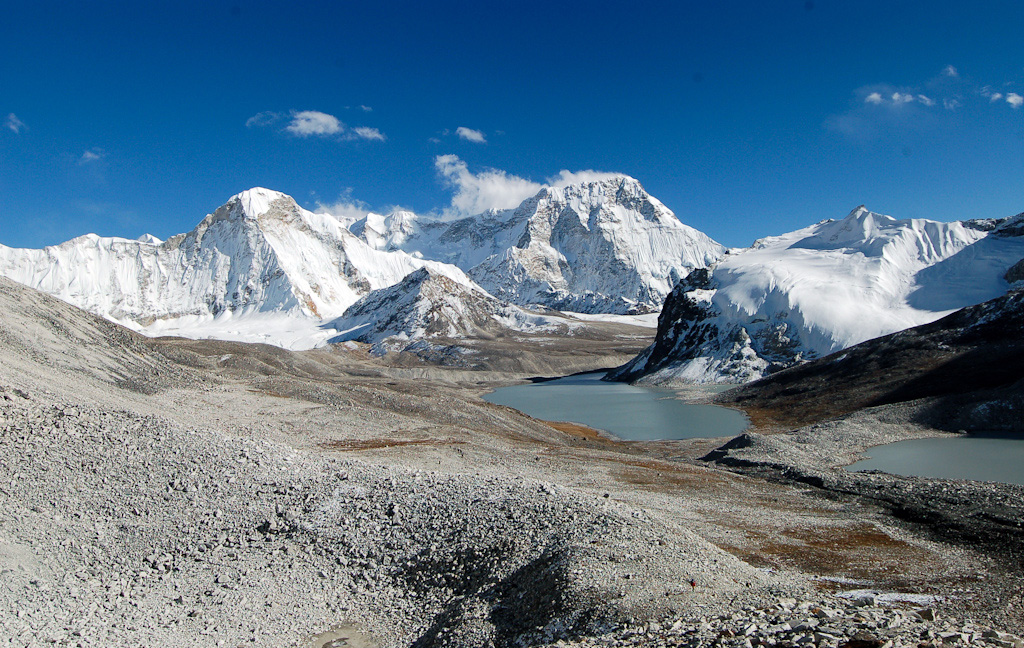
The Ruby Valley Trek follows a little-known trail through the Tamang heartland below the Ganesh Himal range — named for the ruby mines in the upper valley that have been worked by local miners for generations. This is one of Nepal’s best-kept trekking secrets: spectacular mountain scenery, rich Tamang culture, and almost no other trekkers on the trail.

The route passes through terraced farming villages, bamboo groves, and rhododendron forests before climbing into alpine country with close views of Ganesh Himal’s multiple peaks. Along the way, you stay in community lodges and family homestays in Tamang villages where tourism is still new and the welcome is genuine.

Community Impact

Ruby Valley receives fewer than 200 foreign trekkers per year. Your visit brings income to Tamang families who are developing tourism as a supplement to subsistence farming. Community lodges have been built with support from local NGOs, and profits go directly to the families who operate them.

Frequently Asked Questions

Is the Ruby Valley Trek difficult?

Moderate to challenging. Maximum altitude around 4,200m, walking 5-7 hours per day. Some steep sections. Prior trekking experience helpful but not essential for fit travellers.

Do I need permits?

No restricted area permit needed. Standard trekking permits apply. This is one of the most accessible offbeat treks in Nepal.

Explore More

Related experiences:

Plan your Nepal trip: Trekking in Nepal | Best Places to Visit

Ready to book? Contact Eco Holiday Asia or message us on WhatsApp. We reply within 24 hours.

Ruby Valley Ganesh Himal Eco Trek - Eco Holiday Asia

Ganesh Himal Trek

The Ganesh Himal Trek explores the foothills and ridgelines below the Ganesh Himal range — a cluster of seven peaks north of Kathmandu that form a dramatic wall of ice and rock visible from across central Nepal. Despite the spectacular scenery, the region receives very few trekkers, making it one of the most rewarding offbeat treks accessible from the capital.

The trail winds through Tamang villages where traditional stone houses with carved wooden windows line narrow lanes. You walk through terraced fields of rice and millet, through forests of sal, rhododendron, and bamboo, and up to viewpoints where the entire Ganesh Himal range and neighboring Langtang and Manaslu peaks spread across the horizon.

Community Impact

The Ganesh Himal region is developing community-based tourism with local NGO support. Community lodges provide accommodation and meals, with profits funding village development. Your trek supports Tamang families who are building tourism livelihoods as an alternative to subsistence farming.

Frequently Asked Questions

Is this trek accessible from Kathmandu?

Yes. The trailhead is 6-7 hours by road from Kathmandu. No domestic flights needed. One of the most accessible offbeat treks in Nepal.

Explore More

Related experiences:

Plan your Nepal trip: Trekking in Nepal | Best Places to Visit

Ready to book? Contact Eco Holiday Asia or message us on WhatsApp. We reply within 24 hours.
panch pokhari and gosaikunda trek

Bhairab Kunda Trek

The Bhairab Kunda Trek reaches a sacred high-altitude lake at 4,250m, perched on the ridge between Sindhupalchok and Rasuwa districts with panoramic views of the Langtang, Jugal Himal, and Ganesh Himal ranges. The lake is a pilgrimage site during the Janai Purnima festival, but for the rest of the year it is quiet, remote, and visited by almost no foreign trekkers.

The trail climbs from the Melamchi Valley through Tamang and Hyolmo villages — communities with rich Buddhist heritage, traditional architecture, and welcoming hospitality. The route is accessible from Kathmandu without flights (4-5 hours by road to the trailhead), making it one of the most accessible truly offbeat treks in Nepal.

Community Impact

The Bhairab Kunda route passes through villages that are developing community-based tourism. Your trek supports Tamang and Hyolmo families who operate basic lodges and guide services on this emerging trail.

Explore More

Related experiences:

Plan your Nepal trip: Trekking in Nepal | Best Places to Visit

Ready to book? Contact Eco Holiday Asia or message us on WhatsApp. We reply within 24 hours.