
Eco Holiday Asia

Dhorpatan Trek

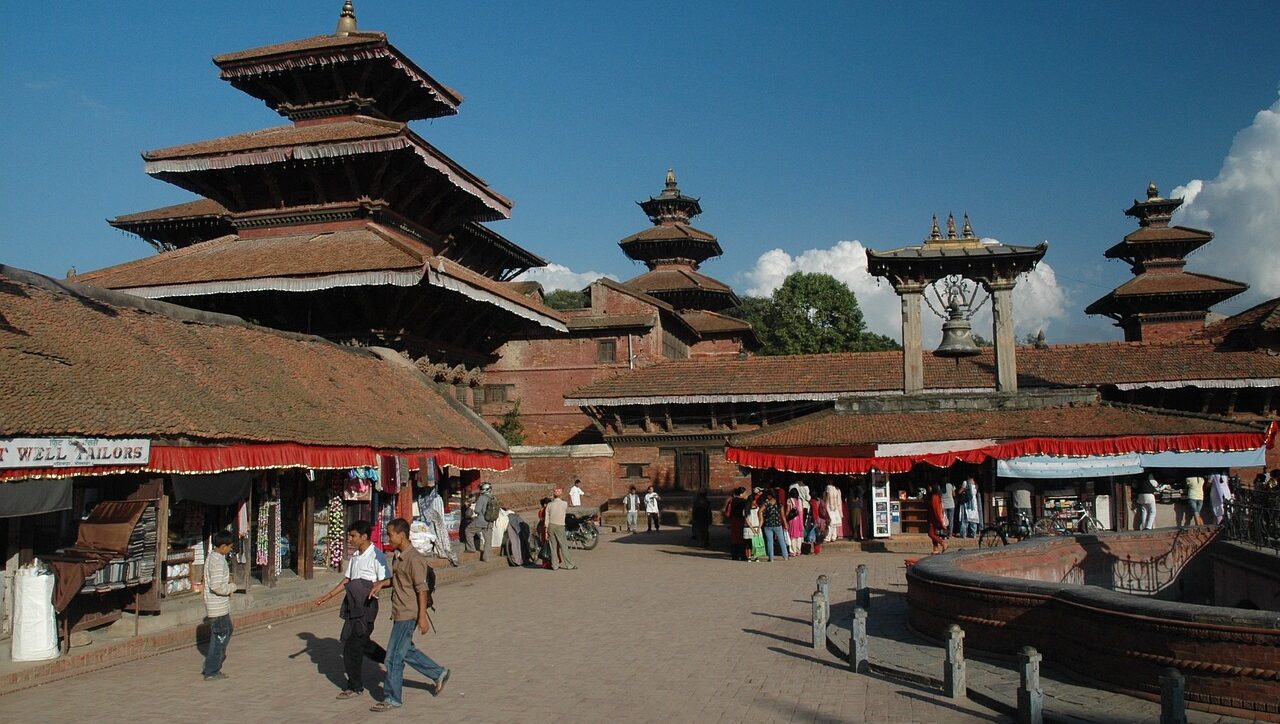
The Dhorpatan Trek explores Nepal’s only hunting reserve — a vast area of high-altitude grassland, forest, and valleys in the western hills. Despite its name, the reserve is far more interesting for wildlife viewing than hunting: blue sheep graze on the slopes, Himalayan tahr inhabit the cliffs, and snow leopard tracks are occasionally found in the snow above the tree line. The area is also rich in birds, including the iridescent Danphe (Himalayan monal), Nepal’s national bird.

The plateau around Dhorpatan sits at around 3,000m, giving it a distinctive landscape of rolling grasslands and scattered forest unlike the steep valley terrain typical of most Nepal treks. The communities here include Magar villagers and Tibetan refugees who have established settlements since the 1960s, creating an interesting cultural mix in one of Nepal’s most remote corners.

Community Impact

Dhorpatan receives very few tourists. Your trek supports local guides, lodge operators, and the reserve’s conservation efforts. The community of Tibetan refugees in the area has developed small handicraft enterprises that visitors can support.

Frequently Asked Questions

Is this a hunting trek?

No. We operate nature and cultural treks in the reserve. Hunting permits are issued separately by the government for a limited number of blue sheep. Our treks focus on wildlife viewing, photography, and cultural experiences.

Explore More

Related experiences:

Plan your Nepal trip: Trekking in Nepal | Best Places to Visit

Ready to book? Contact Eco Holiday Asia or message us on WhatsApp. We reply within 24 hours.
Guerrilla Trek

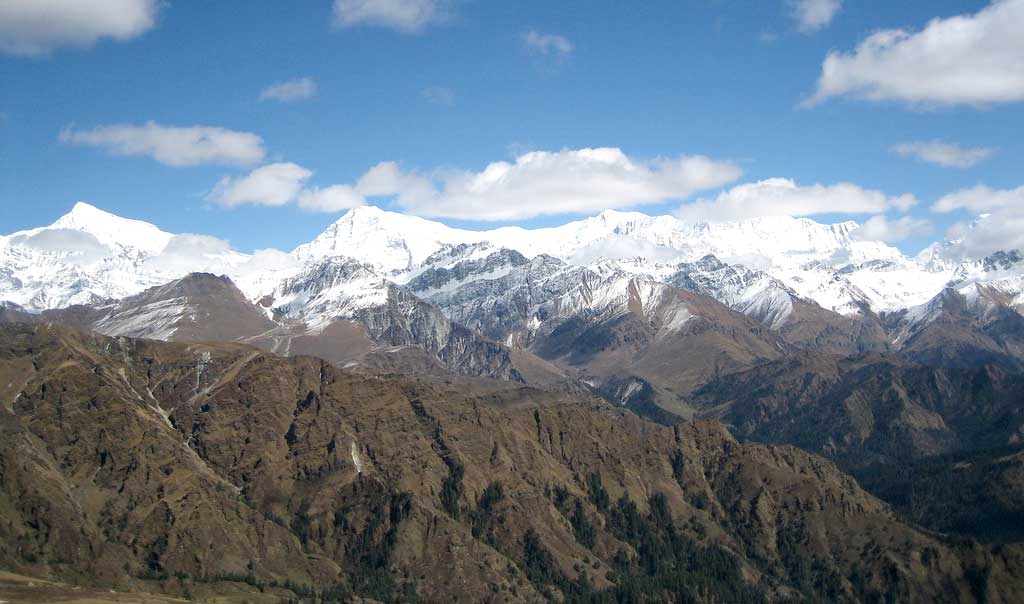
The Guerrilla Trek follows the historic route through the Myagdi-Rukum hills of western Nepal — the same paths used during the Maoist insurgency (1996-2006) that reshaped Nepal’s political landscape. Today, this route has been developed as a community trekking trail, with homestays and local guides in Magar villages that were central to the conflict and are now central to the region’s peaceful recovery.

The trail winds through dense forests, crosses the Jaljala ridgeline (3,414m) with sweeping views of Dhaulagiri and the western Himalayas, and passes through traditional Magar communities where the warmth of the welcome contrasts sharply with the hardship these villages endured during the conflict years. This is one of Nepal’s most meaningful and least-trodden treks.

Community Impact

The Guerrilla Trek was developed specifically to bring tourism income to communities in the Myagdi and Rukum hills — among the regions most affected by the conflict and most neglected afterward. Every homestay fee, guide wage, and porter payment directly supports families rebuilding their livelihoods.

Frequently Asked Questions

Is this trek safe?

Yes. The conflict ended in 2006 and the region has been peaceful for two decades. The name refers to the historical route, not current conditions. Local communities welcome trekkers warmly.

What accommodation is available?

Community homestays and basic lodges. This is village-to-village trekking with authentic rural accommodation. Meals are cooked by host families using local ingredients.

Explore More

Related experiences:

Plan your Nepal trip: Trekking in Nepal | Best Places to Visit

Ready to book? Contact Eco Holiday Asia or message us on WhatsApp. We reply within 24 hours.
Chepang Heritage Trail Trek

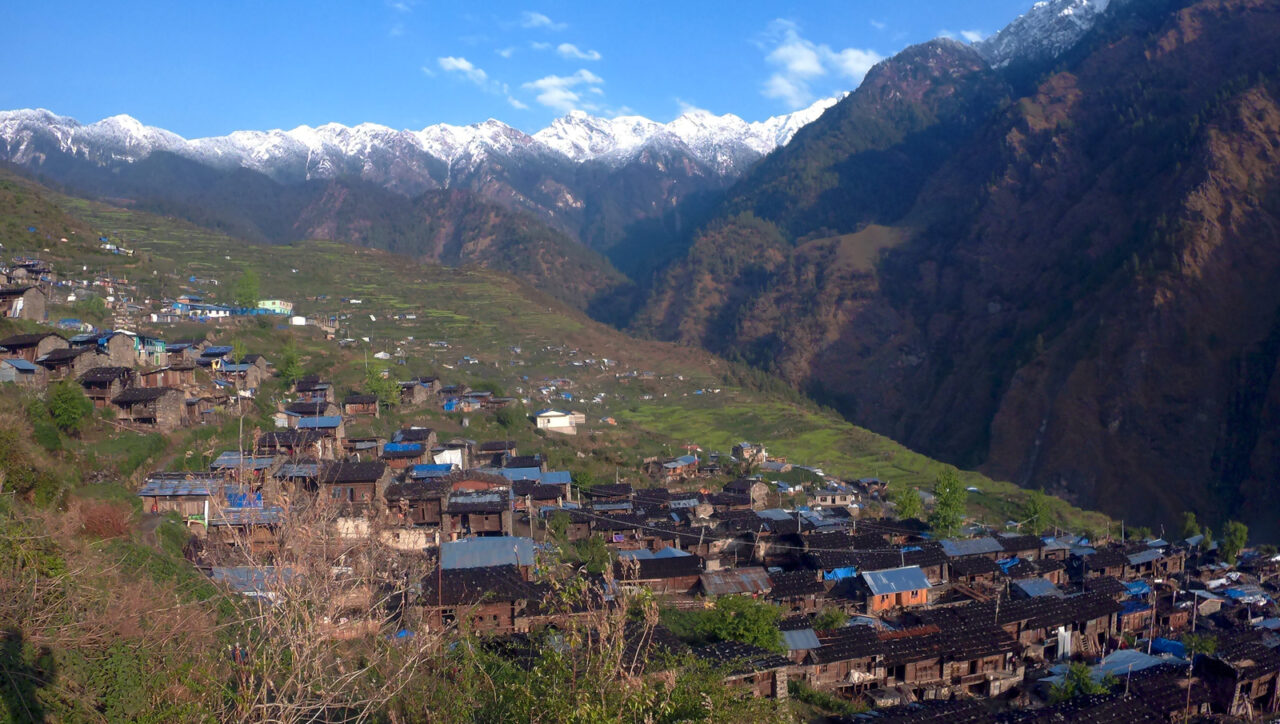
The Chepang Heritage Trail Trek walks through the homeland of the Chepang people — one of Nepal’s most ancient and marginalized indigenous communities. The Chepang traditionally lived as semi-nomadic forest dwellers, and their culture, food practices (including wild honey hunting and yam foraging), and spiritual traditions are unlike anything else in Nepal. This short trek through the hills between Chitwan and Dhading is one of the most culturally significant walks in the country.

The trail passes through Chepang villages where traditional houses are built into the hillside, through subtropical forests rich with the wild plants that are central to Chepang cuisine, and along ridgelines with views of the middle hills stretching to the Himalayan foothills. Community homestays are simple but the experience of staying with Chepang families and learning about their relationship with the forest is profound.

Community Impact

The Chepang are among the most economically vulnerable communities in Nepal. The heritage trail was developed by local organizations to create tourism livelihoods while preserving Chepang culture. Your visit directly supports families who are working to maintain their cultural identity while accessing economic opportunities.

Frequently Asked Questions

Is this suitable for cultural travellers who don’t want strenuous trekking?

Yes. Maximum altitude around 1,500m, walking 4-5 hours per day on hill trails. Suitable for anyone with moderate fitness who wants a deep cultural experience rather than a mountain challenge.

Explore More

Related experiences:

Plan your Nepal trip: Trekking in Nepal | Best Places to Visit

Ready to book? Contact Eco Holiday Asia or message us on WhatsApp. We reply within 24 hours.
Kathmandu Valley Cultural Tour

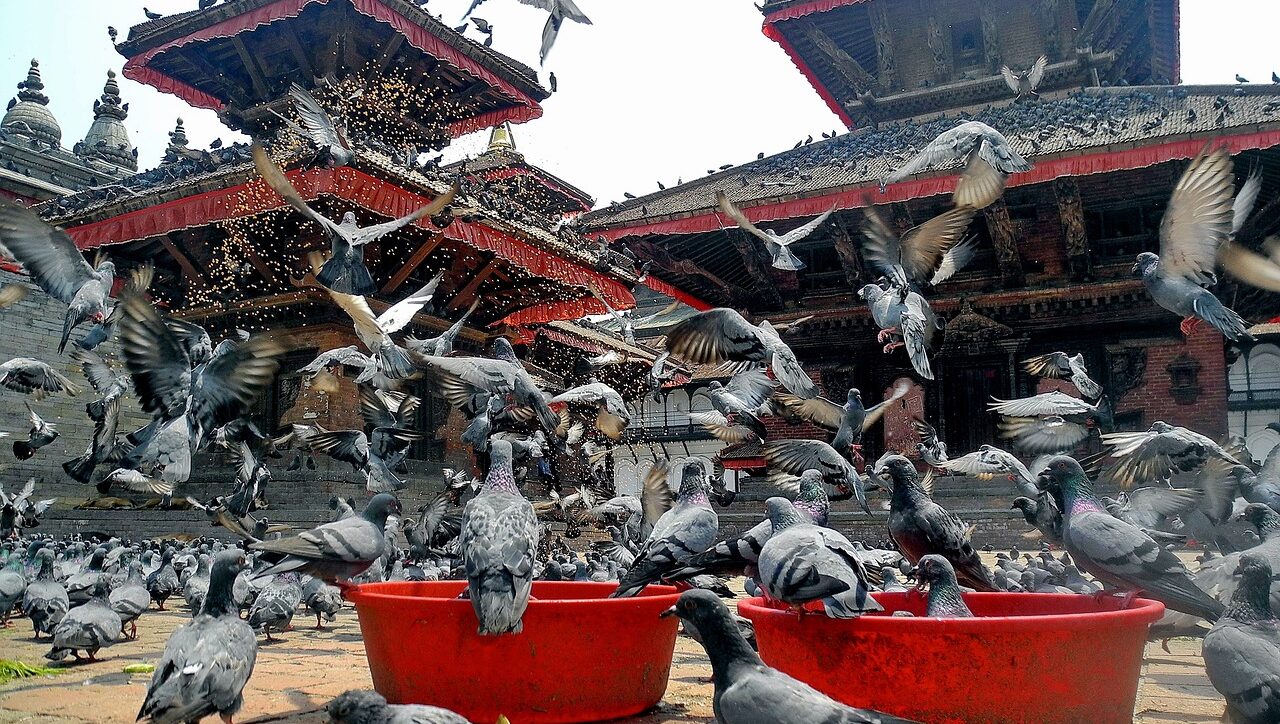
The Kathmandu Valley Cultural Tour is a comprehensive exploration of one of the world’s most concentrated collections of cultural heritage. Within this single valley, three ancient kingdoms — Kathmandu, Patan, and Bhaktapur — built Durbar Squares, temples, monasteries, and palaces that are now collectively recognized as seven UNESCO World Heritage Sites. Over five days, you visit all of them, guided by local Newari cultural experts who can explain the living traditions that make these sites far more than historical monuments.

The tour balances major sites with hidden corners: yes, you visit Pashupatinath and Boudhanath, but you also walk the backstreets of Patan where metalworkers still craft Buddhist statues using techniques unchanged for centuries, visit the pottery squares of Thimi, and eat at family restaurants serving Newari cuisine that you would never find on your own.

Community Impact

Our Kathmandu Valley guides are local Newari cultural experts — people who grew up in these cities and have deep personal connections to the heritage they share. Entrance fees support temple and palace restoration. Restaurant meals go to family-run kitchens serving traditional cuisine.

Itinerary Overview

  • Day 1: Arrive Kathmandu, welcome dinner with Newari cuisine introduction
  • Day 2: Kathmandu Durbar Square, Swayambhunath, Thamel heritage walk
  • Day 3: Patan Durbar Square, Patan Museum, Golden Temple, metalwork workshops
  • Day 4: Bhaktapur Durbar Square, pottery square, Nyatapola Temple, Thimi
  • Day 5: Boudhanath and Pashupatinath, departure

Frequently Asked Questions

Is this tour suitable for all ages?

Yes. Walking-based but no strenuous hiking. Suitable for families, seniors, and anyone interested in culture and history.

Can I extend this tour?

Yes. Common extensions include Nagarkot sunrise, Panauti day trip, or combining with Pokhara or Chitwan.

Explore More

Related experiences:

Plan your Nepal trip: Nepal Tours & Packages | Best Places to Visit

Ready to book? Contact Eco Holiday Asia or message us on WhatsApp. We reply within 24 hours.
Nepal Cultural Triangle Tour

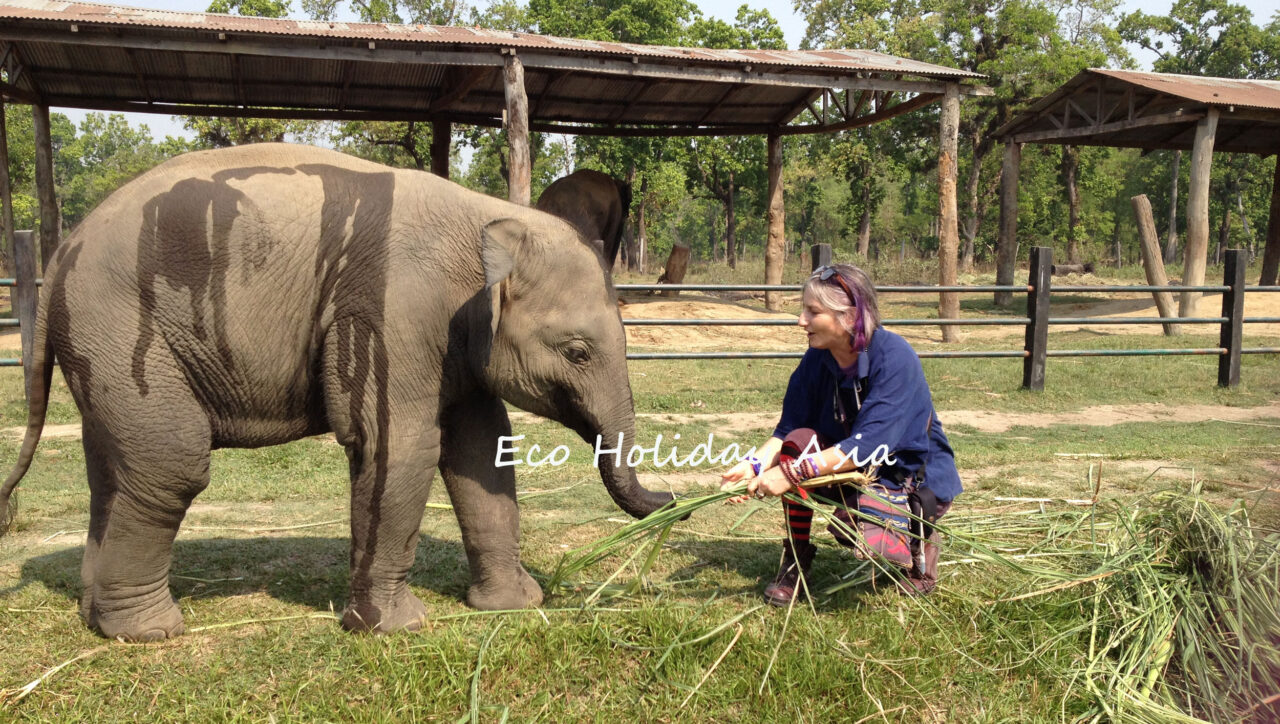
The Nepal Cultural Triangle Tour covers Nepal’s three most essential destinations in a single comprehensive journey: the cultural heritage of the Kathmandu Valley, the natural beauty of Pokhara and the Annapurna range, and the wildlife of Chitwan National Park. This is the classic Nepal itinerary — the one we recommend for first-time visitors who want to experience the full breadth of what the country offers.

In Kathmandu, you explore UNESCO World Heritage temples and medieval city squares. In Pokhara, you watch sunrise paint the Annapurna range from Sarangkot, take a boat on Phewa Lake, and explore lakeside. In Chitwan, you ride through grasslands looking for one-horned rhinoceros, walk through sal forests with naturalist guides, and visit Tharu villages to experience the indigenous culture of Nepal’s subtropical lowlands.

Community Impact

At every stop, we use local guides who live in and know their communities intimately. In Kathmandu, Newari heritage experts. In Pokhara, Gurung guides. In Chitwan, Tharu naturalists. Your tour supports families across three distinct cultural regions of Nepal.

Itinerary Overview

  • Days 1-3: Kathmandu — Durbar Squares, Boudhanath, Pashupatinath, Swayambhunath
  • Day 4: Drive to Pokhara (scenic route) or domestic flight
  • Days 5-6: Pokhara — Sarangkot sunrise, Phewa Lake, Peace Pagoda, village walk
  • Day 7: Drive to Chitwan
  • Days 8-9: Chitwan — jungle safari, canoe ride, Tharu village visit, cultural show
  • Day 10: Return to Kathmandu, departure

Frequently Asked Questions

What is the best time for this tour?

October to December and March to May offer the best weather. The Cultural Triangle works year-round, though monsoon (June-August) brings rain to Chitwan and can obscure mountain views in Pokhara.

Explore More

Related experiences:

Plan your Nepal trip: Nepal Tours & Packages | Best Places to Visit

Ready to book? Contact Eco Holiday Asia or message us on WhatsApp. We reply within 24 hours.
Chitwan Safari and Tharu Culture Tour

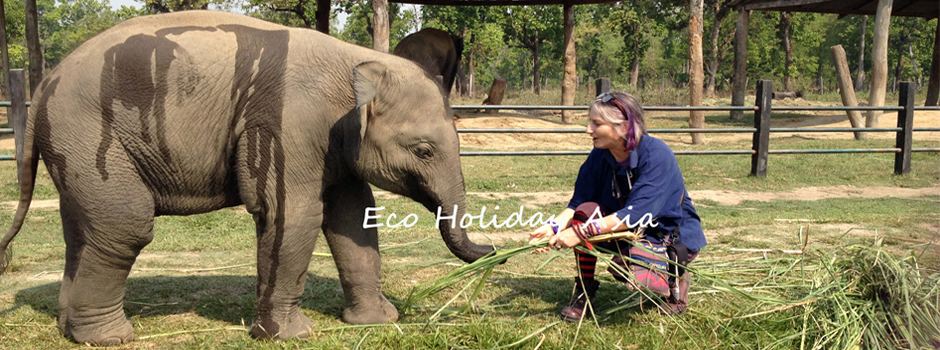
The Chitwan Safari and Tharu Culture Tour combines world-class wildlife viewing with the indigenous culture of Nepal’s subtropical lowlands. Chitwan National Park is a UNESCO World Heritage Site and one of the finest wildlife reserves in Asia, home to one-horned rhinoceros, Bengal tigers, sloth bears, gharial crocodiles, and over 500 species of birds. Your safari is led by Tharu naturalist guides — indigenous people who have lived alongside this wildlife for generations.

Between jungle excursions, you visit Tharu villages to experience a culture that is deeply connected to the river-and-forest landscape of the Terai. The Tharu people have lived in the Chitwan region for centuries, developing a way of life adapted to the subtropical environment and a rich tradition of art, dance, and community governance. The Tharu stick dance and peacock dance performances are among the most vibrant cultural experiences in Nepal.

Community Impact

All our Chitwan guides are Tharu community members trained as naturalists. Eco-lodge stays support locally owned accommodation. A portion of park fees funds community buffer zone management. Your safari supports both wildlife conservation and Tharu livelihoods.

Itinerary Overview

  • Day 1: Arrive Chitwan, settle at eco-lodge, sunset village walk
  • Day 2: Full-day jeep safari in the national park
  • Day 3: Canoe ride, nature walk, bird watching, Tharu cultural show
  • Day 4: Morning safari, Tharu village visit, cooking demonstration
  • Day 5: Sunrise bird walk, return to Kathmandu

Frequently Asked Questions

Will I see tigers?

Tiger sightings are not guaranteed — Bengal tigers are elusive and the park’s dense jungle provides excellent cover. Rhinos are commonly seen, and multi-day safaris increase your chances of tiger encounters.

Explore More

Related experiences:

Plan your Nepal trip: Nepal Tours & Packages | Best Places to Visit

Ready to book? Contact Eco Holiday Asia or message us on WhatsApp. We reply within 24 hours.
Bardia Wildlife Safari Tour

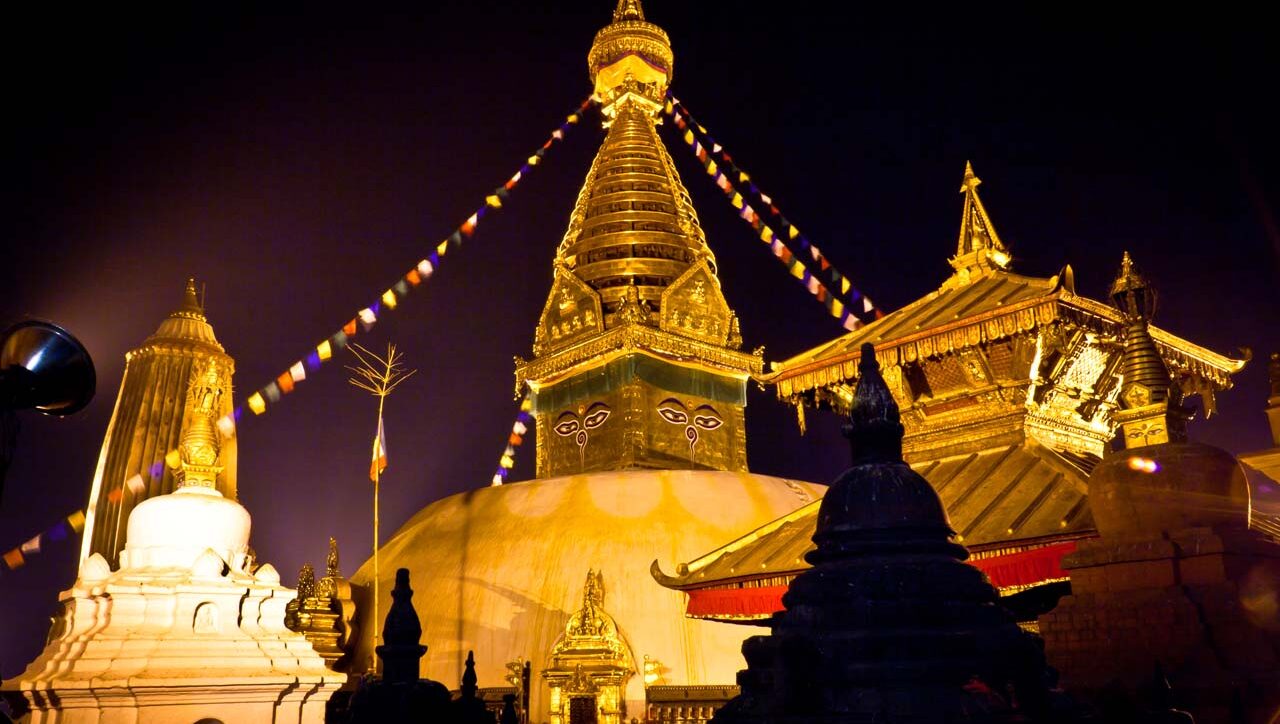
The Bardia Wildlife Safari Tour takes you to Nepal’s largest and most remote national park — a vast expanse of sal forest, grassland, and riverine habitat in the western Terai that shelters the country’s best population of Bengal tigers. Bardia receives a fraction of the visitors that Chitwan does, which means quieter trails, more authentic wildlife encounters, and a sense of genuine wilderness that is increasingly rare in South Asian parks.

The park sits along the Karnali River, one of Nepal’s great rivers, and a float trip down the Karnali is one of the highlights of any Nepal wildlife experience — with gharial crocodiles, Gangetic dolphins (if you are very fortunate), and diverse birdlife along the riverbanks. Jeep safaris penetrate deeper into the park’s tiger territory, and walking safaris with experienced Tharu naturalists offer intimate encounters with the forest ecosystem.

Community Impact

Bardia’s Tharu communities depend on tourism as a primary income source alongside farming. Our guides are local Tharu naturalists. Eco-lodge stays and park fees support both community development and critical conservation work in one of Nepal’s most important tiger habitats.

Frequently Asked Questions

How do I get to Bardia?

Fly to Nepalgunj, then drive 4 hours to Bardia. Or drive from Kathmandu (10-12 hours, usually done over two days). We arrange all logistics.

Bardia vs Chitwan — which should I choose?

Chitwan is closer and more accessible. Bardia is wilder, less crowded, and offers better tiger chances. If you have time and want authentic wilderness, choose Bardia.

Explore More

Related experiences:

Plan your Nepal trip: Nepal Tours & Packages | Best Places to Visit

Ready to book? Contact Eco Holiday Asia or message us on WhatsApp. We reply within 24 hours.

Lumbini Buddhist Heritage Tour

The Lumbini Buddhist Heritage Tour visits the birthplace of Siddhartha Gautama — the historical Buddha — at one of the most sacred sites in the Buddhist world. The Mayadevi Temple marks the exact spot of his birth, the Ashoka Pillar (erected by Emperor Ashoka in 249 BCE) confirms the site’s authenticity, and the surrounding Sacred Garden maintains the tranquil atmosphere that has drawn pilgrims here for over 2,500 years.

Beyond the Sacred Garden, the Lumbini Development Zone contains monasteries built by Buddhist communities from across Asia — Thai, Japanese, Korean, Myanmar, Chinese, and more — each in its own national architectural style. The nearby town of Tilaurakot is believed to be the ancient city of Kapilavastu, where Siddhartha spent his first 29 years before renouncing his princely life.

Community Impact

Our Lumbini guides are local residents with deep knowledge of Buddhist history and the surrounding communities. Tour fees support local families and contribute to the ongoing preservation of this UNESCO World Heritage Site.

Itinerary Overview

  • Day 1: Arrive Lumbini (fly to Bhairahawa or drive from Kathmandu/Chitwan)
  • Day 2: Mayadevi Temple, Ashoka Pillar, Sacred Garden, monastic zone (east)
  • Day 3: Monastic zone (west), Lumbini Museum, Tilaurakot excursion
  • Day 4: Morning meditation, departure

Frequently Asked Questions

Do I need to be Buddhist to visit Lumbini?

No. Lumbini welcomes visitors of all faiths. The site is as much a historical and cultural experience as a spiritual one.

Explore More

Related experiences:

Plan your Nepal trip: Nepal Tours & Packages | Best Places to Visit

Ready to book? Contact Eco Holiday Asia or message us on WhatsApp. We reply within 24 hours.
Nepal Family Holiday

The Nepal Family Holiday is designed specifically for families travelling with children — an itinerary that balances cultural exploration with kid-friendly activities, comfortable accommodation, and the flexibility that family travel demands. We know from experience that the best family trips combine just enough structure with plenty of room for spontaneity, and this tour delivers both.

In Kathmandu, children explore ancient temples, try pottery making, and visit the monkey troops at Swayambhunath. In Pokhara, the family takes boat rides on Phewa Lake, walks to viewpoints, and enjoys the relaxed lakeside atmosphere. In Chitwan, a wildlife safari through the national park — looking for rhinos, crocodiles, and deer — is the kind of adventure that children remember for their entire lives.

Community Impact

Your family holiday supports the same local guides, family-run restaurants, and community projects as our adult tours. Children who experience Nepal’s communities often develop a lasting interest in different cultures and responsible travel.

Frequently Asked Questions

What age is this suitable for?

We recommend age 5 and above. The itinerary avoids high altitude, long drives are broken up, and activities are selected for family enjoyment.

Is Nepal safe for families?

Yes. Nepal is one of the safest countries in South Asia for family travel. Our guides are experienced with children and we provide 24/7 support throughout your trip.

Explore More

Related experiences:

Plan your Nepal trip: Nepal Tours & Packages | Best Places to Visit

Ready to book? Contact Eco Holiday Asia or message us on WhatsApp. We reply within 24 hours.
Buddhist Circuit Tour

The Buddhist Circuit Tour traces the spiritual geography of Buddhism across Nepal — from the birthplace of the Buddha at Lumbini to the great stupas and monasteries of the Kathmandu Valley. This is a pilgrimage in the deepest sense: not merely visiting sites, but engaging with the living Buddhist tradition through monastery visits, meditation sessions, and conversations with monks and scholars who can illuminate the dharma in its Nepali context.

The circuit visits Lumbini’s Sacred Garden, the Mayadevi Temple, and Tilaurakot (ancient Kapilavastu). In the Kathmandu Valley, you visit Boudhanath, Swayambhunath, the Buddhist sites of Patan, Pharping (where Guru Rinpoche meditated), Kopan Monastery, and Namobuddha — each site with its own story, its own tradition, and its own contribution to the Buddhist path.

Community Impact

Our Buddhist Circuit guide is a scholar with deep knowledge of both Theravada and Mahayana traditions. Monastery visits include appropriate donations that support the sangha. Tour fees support local families at each destination.

Frequently Asked Questions

Is this tour for Buddhists only?

No. The tour welcomes anyone interested in Buddhism, meditation, philosophy, or cultural heritage. Our guide adapts the experience to your level of interest and knowledge.

Explore More

Related experiences:

Plan your Nepal trip: Nepal Tours & Packages | Best Places to Visit

Ready to book? Contact Eco Holiday Asia or message us on WhatsApp. We reply within 24 hours.